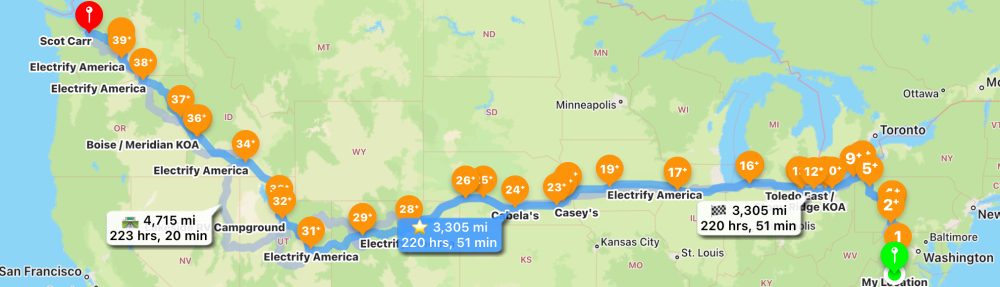
Eleven Hours and 453.7 Miles

…brought us to a campground just north of Lexington, Kentucky. Roger had warned it might be a boring day spent primarily on I-64 heading due west. But as soon as we entered the western Virginia mountains, covered with their summer haze, the road began its twists and turns to maneuver through the passes while the green valleys and hazy peaks passed by.
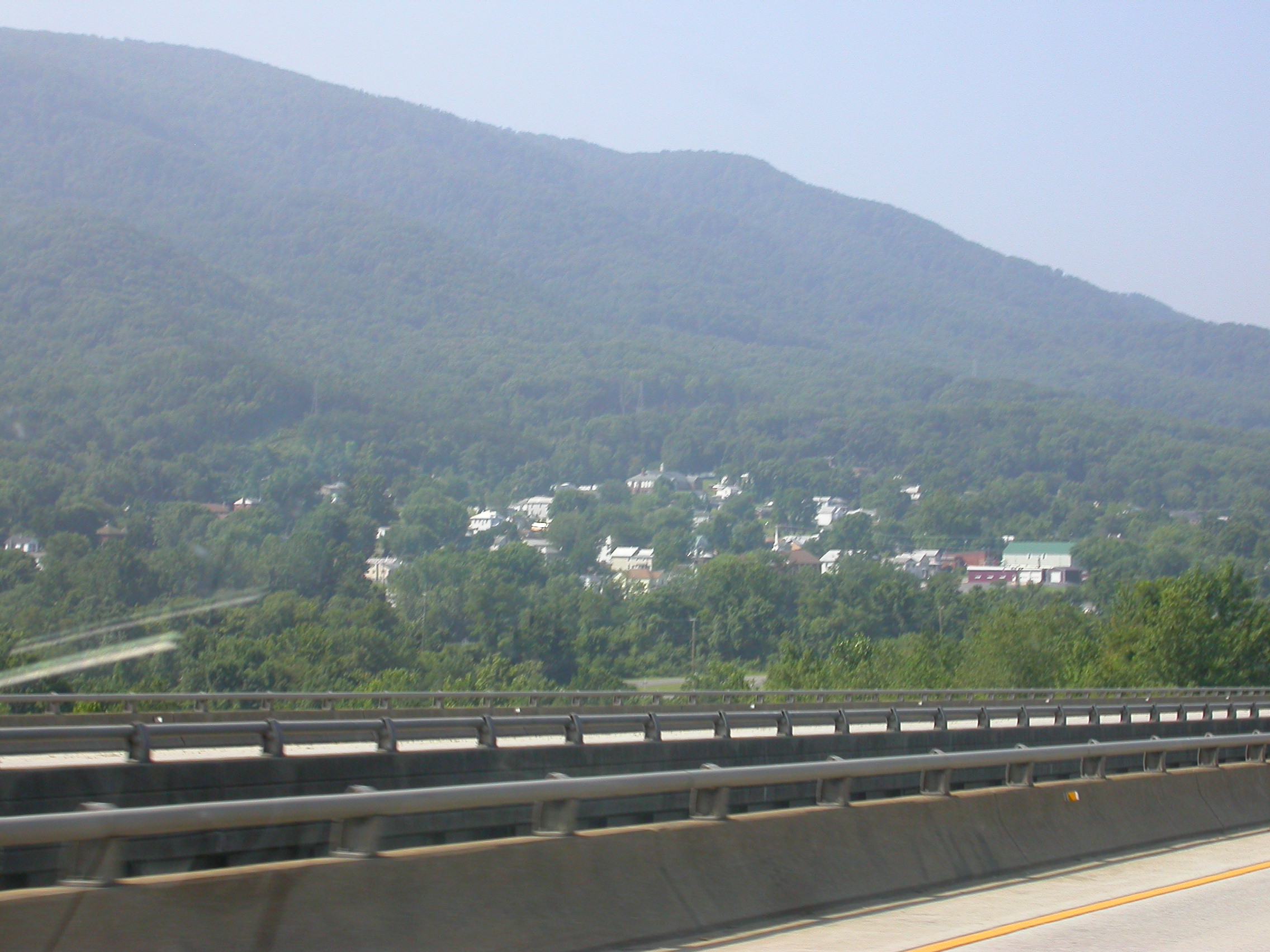
DSCN6204

It just got better when we entered West Virginia. There we saw coal, piles of it waiting to be trained away, and even more rugged mountains. A stop at the WV Visitor Center made us aware that Civil War battles and skirmishes took place in the land we were passing through. In fact, all of Appalachia, from the Natchez Trace up to southern New York State, was caught up in the conflict in some fashion.

Near Gauley Bridge, we stopped at the Hawks Nest State Park to view a broad vista of the New River and the Gauley joining to form the Kanawha. Beautiful stone steps, most likely the work of the Conservation Corps, take you down to the viewing platform.

DSCN6263

DSCN6264


At the end of the day, we’d spent the majority of the day on I-64, but we also managed to enjoy a lot of winding mountain roads taking a “long” shortcut on Rte 60 to avoid Beckley, WV. After passing through some of the most beautiful horse farms in the world, we rolled into Whispering Hills Campground, settled into a campsite situated on a lake, pulled out our camp chairs and watched the scenery below. Life is rich.

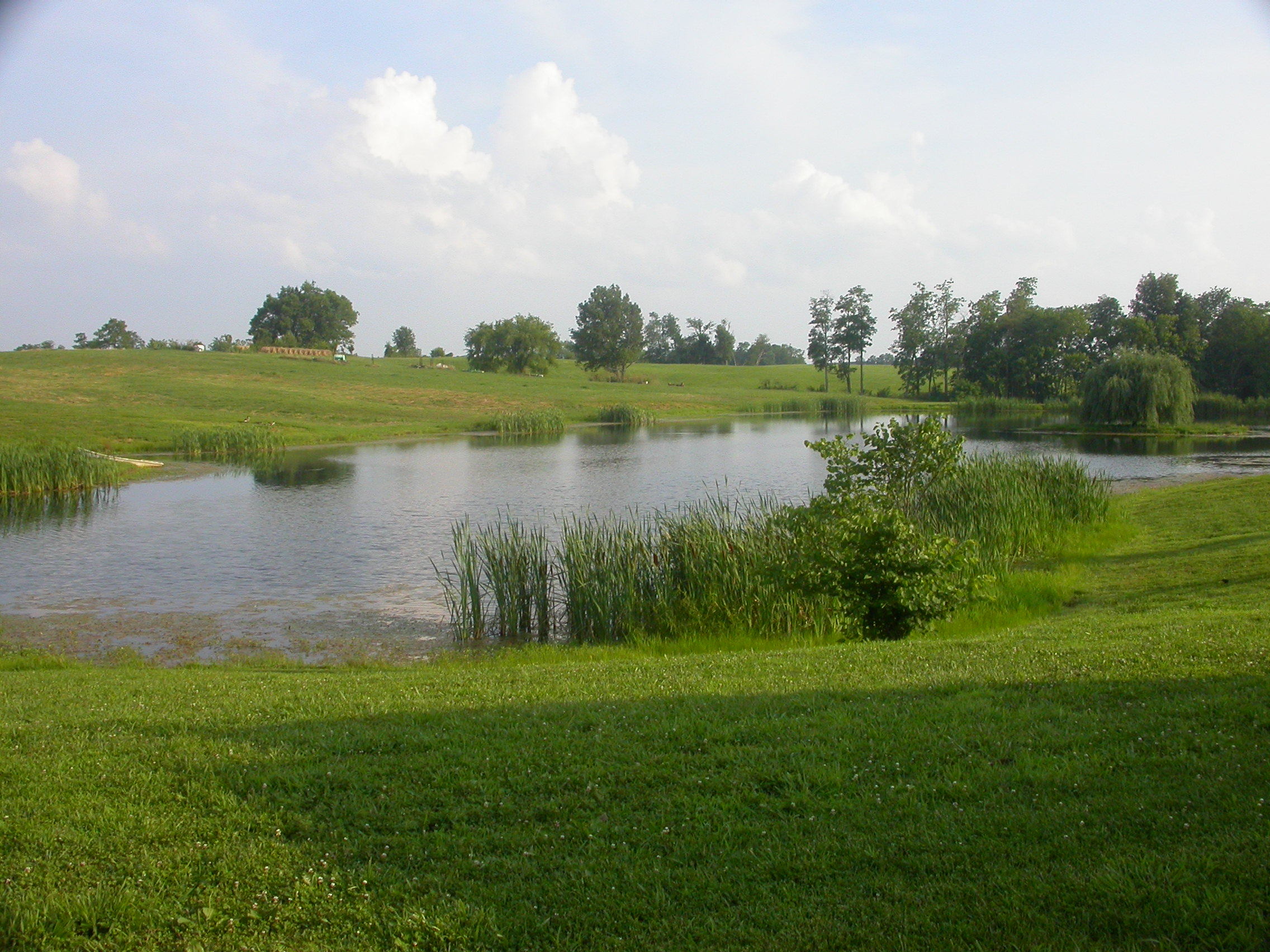
DSCN6305

DSCN6307


Tomorrow We Hit the Road

What exactly does “hitting the road” mean? In our case, it means about 8,500 pounds of vehicle rolling out of our driveway, filled with a closetful of about twenty mini “suitcases” comprised of Eagle Creek packing cubes, a refrigerator full of all the food we couldn’t finish off in this past month when we quit buying any food other than the necessities of milk, orange juice, and eggs, and tanks full of propane, water and diesel fuel. I hate to think of how much all of those weigh. It means carrying a good dozen or so electronics, many of which will lose much of their functionality as soon as we get to the wide open spaces and lose cellular signals, but that doesn’t stop us from bringing them along. Or the myriad cords that, if we tied them all together, would probably encircle the vehicle.

It means a “good” day on the road is one when we accomplish at least 300 miles; a “hard” day is when we need to make 400 or more. For Roger, it means keeping all the GPSes in sync with each other (and hopefully us with them), and for Carol, it means taking the majority of photos from an open window of a moving vehicle. It means searching for a level campsite every night, and finding a small-town grocery that’s big enough to carry what you want, but small enough so it doesn’t eat up a good half hour to negotiate through the store.

Winding Road

And it’s watching the horizon for the mountains that never seem to come soon enough as you’re traveling West and that disappear too quickly as you’re heading East. There’s a huge great plain in the middle of the country that, for me, is one of the best, most relaxing, parts of the trip. As that long, seemingly endless ribbon of road unfolds in front of you, it’s like a story waiting to be discovered, and then told in a blog like this one.

Seven Springs in Summer

SevenSprings - Aerial View

Returning to Seven Springs Resort was like greeting an old friend. In the winter of 1970, I’d skied there and taken plenty of tumbles on the bunny slopes. My best recollections are that it was a small ski resort with great slopes and a fantastic indoor swimming pool. We were newly married, and by all the economic indicators, we were officially “poor,” so any resort felt like luxury to me. Then, in the spring of 1995 I’d visited there with my father, our last trip together before he died. I was awed by how much it had grown. In the interim the resort had grown a collection of chalet villages and now offered an assortment of restaurants. A family owned resort for a good fifty years, it had ensured its longevity by selling out to a corporation that knew best how to manage thousands of guests.

This was my first visit to Seven Springs in the summer, and it didn’t disappoint. They accommodated without too much eye-blinking our family group of 33, half of which are between 1 and 13. Hiking, water-chuting, swimming and eating were all well-addressed right on campus. None in our party tried out the zipline, but it sure looked like fun. Idelwild Park in nearby Ligonier kept the entire range of kidlets occupied and happy for most of Saturday. The Soak Zone nearly pulled me in despite my lack of a bathing suit; the wave pool there is something I definitely want to try next time. Instead, the old folks headed off to the historic part of Ligonier where we had a very healthy and delicious lunch at an old Victorian home. Who’d have imagined we’d discover a new variation on a grilled cheese sandwich? (Spicy grilled vegetables tucked inside cheddar cheese made all the difference.) Afterwards we explored Main Street shops to work up an appetite for an ice cream cone at the Ligonier Creamery. The gem of the afternoon was discovering Celtic Culture, a store filled with Irish goods, (the only other one I’ve seen outside of Ireland was in Cambridge, Massachusetts), where I spoke with shopkeeper Andrew Carr. By the time we finished talking, we were convinced we were related.

Visiting Seven Springs was like discovering an old friend who’s gotten better as he’s gotten older. I was pleased that our younger generation embraced the concept of a central location where getting their growing families together was no more than a 5-6 hour driving burden for anyone. Perhaps this will be our recreation center for the future, perhaps we’ll find a better place yet. But I’m quite certain that we’ll all return again sometime, hopefully together.

What do Andrew Mellon and the Pittsburgh Pirates have in common?

Andrew MellonPittsburgh Pirates

              Seven Springs!

For those of you interested in the history of places you visit, see http://www.westpennmiataclub.com/mmm10/docs/history7.html to discover the connection.

My own memories of Seven Springs date to the early 70’s, and they’re limited to the ski lodge and the slopes covered with snow. Later in 1995, I returned during a visit with my father, and we stopped in to see the new lodge. In between those years, the resort grew steadily and has changed hands a couple of times. But it was born out of the love of a man and a woman for the Laurel Highlands country that you’ll learn about in the link above.

Seven Springs is also known for its innovations: in the 60’s one of the owners’ sons invented and patented the Millennium Snowmaking Gun that is used throughout the world. More recently, the resort has won awards for its innovative water conservation and solar panel techniques used in its snowmaking system. You can see the details of these systems and the rest of the history of Seven Springs from where the above article leaves off at http://en.wikipedia.org/wiki/Seven_Springs_Mountain_Resort.

First Comes Pennsylvania

The countdown is now 14 days before we head west. First we have a shorter trip to Pennsylvania for a family gathering scheduled to begin a week from today. Next Friday, we’ll get on the road as early as we can to meet up with members of the Tracy family and friends at Seven Springs Resort near Bedford, PA. Even though we have only about 48 hours to share with each other, we usually manage to pack in a lot. Here are a few examples of what we can/will do.