Little Bighorn National Monument is like a magnet for me–there is no way any vehicle I’m in–car, motorcycle or RV–can choose not to make the turn into these grounds that are as meaningful to our national history as Gettysburg. It is just as impossible for me to enter these fields without cheering the Native Americans for their defeat of the likes of Custer. The warriors and their tribes were duly punished for their victory with expulsion from their homeland, starvation, and death, and even today the tribes are struggling to regain their culture and self-sufficiency. I am glad they have at least one major victory to look back on.
This was my third time to Little Bighorn, so I wasn’t surprised this time by the hushed awe that flows from the ground, broken only by the rustle of grasses. It is so quiet that it is hard to imagine the hills filled with all the human sounds of the 7,000 Indians that were camped along the Little Bighorn, much less the cacophony of men in battle, the war cries of the Indians punctuated with rifle shots from both sides. The Battle of the Little Bighorn was tragic all around: 260 U.S. cavalrymen died, almost half of the U.S. troops engaged in the battle, and 60-100 Indians from five tribes.
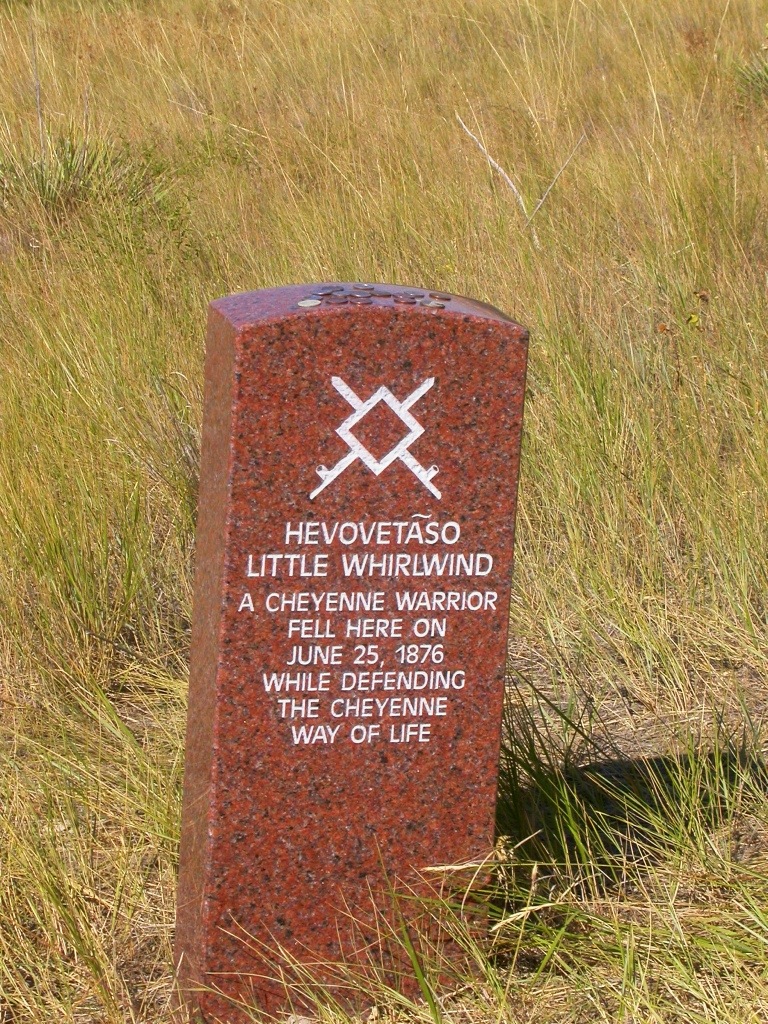
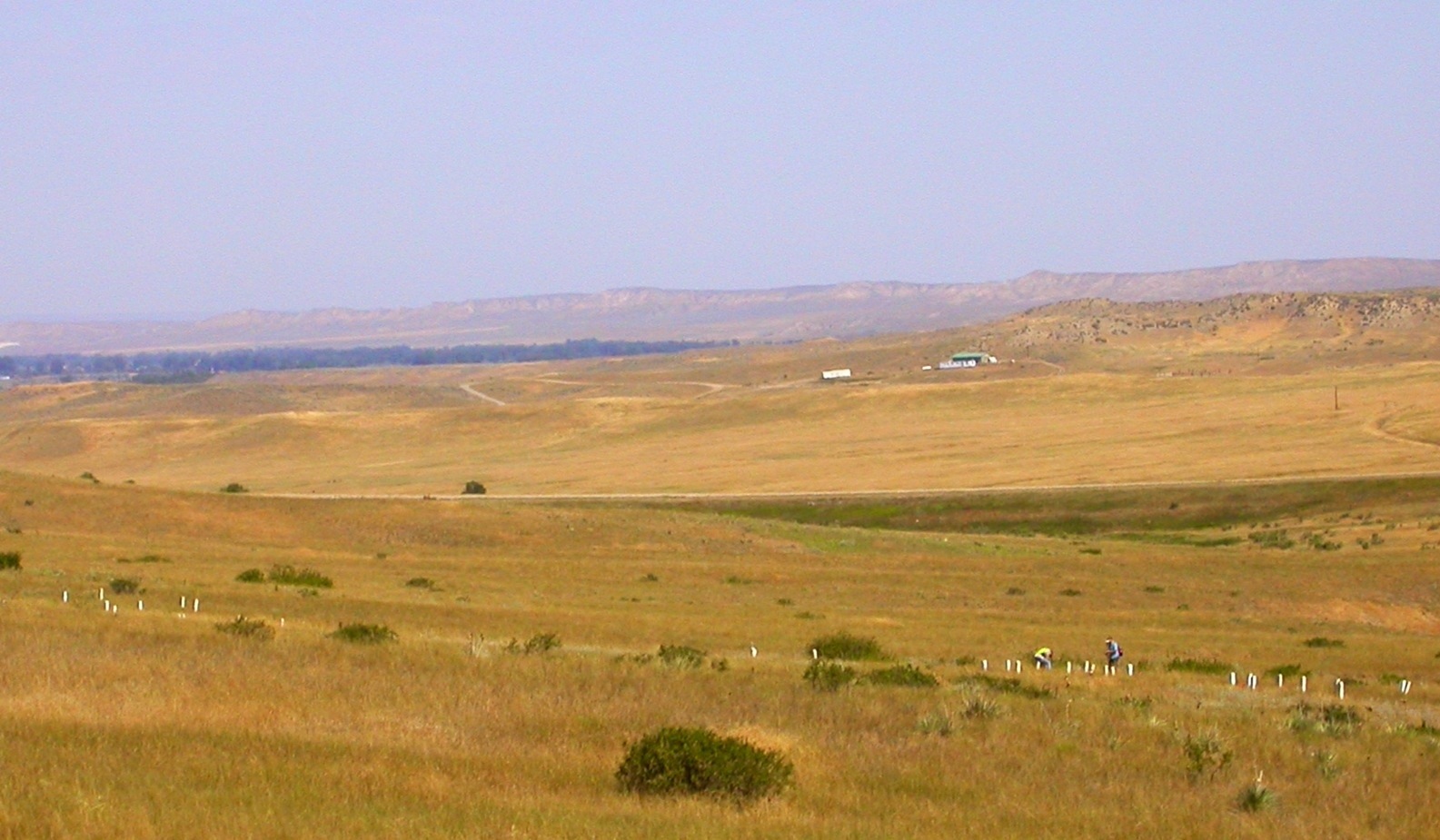
Recognition of the bravery of the Native Americans defending their way of life has been slow in coming. When Roger first visited in 1994,some of the signage still described the Indians as savages and cited Custer as a fallen hero. Now, Custer’s command of the battle is held in question by many, and the history is told by NPS rangers in conjunction with Native American interpreters. Red markers like this one now mark the places where the Indian warriors fell in battle as the white markers do the fallen cavalrymen in the picture below.
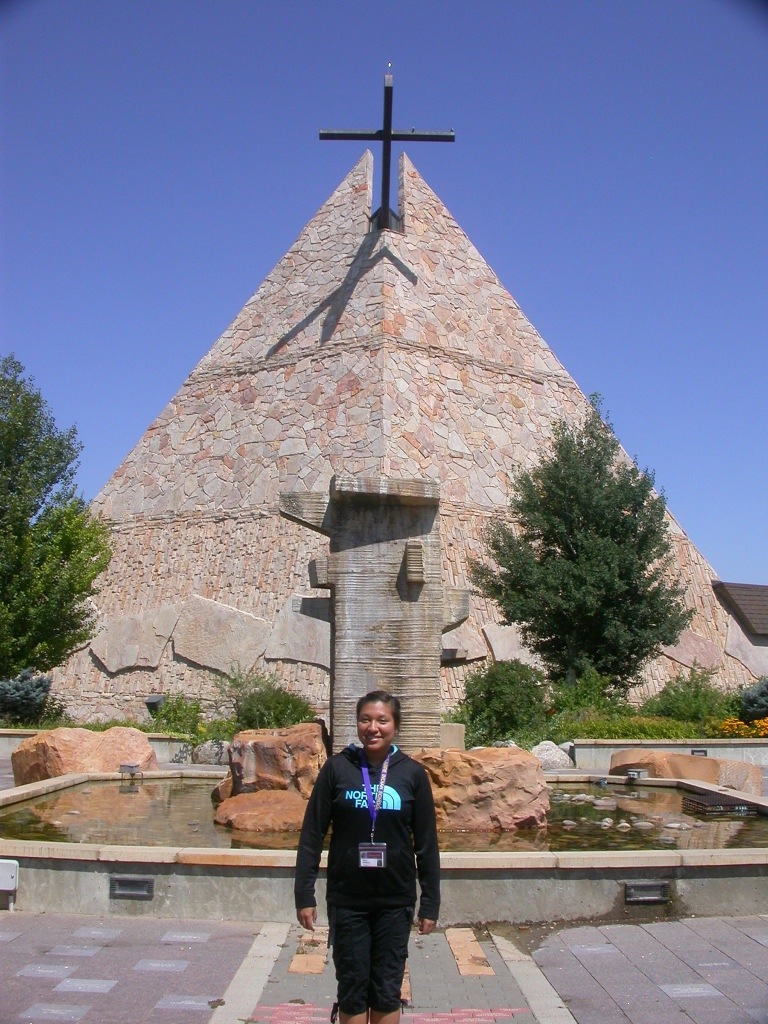
Our next stop was like turning the page to the next chapter of the Native Americans story. St. Labre Mission, located about 60 miles east, is the site of a Catholic school that Roger supported while working at the Patent Office. It was started more than 125 years ago by the Church to address the miserable state of the Indian population that had returned after years of exile in Oklahoma. What they have achieved during those years is a remarkable campus from K-12 that prepares students for advanced education and meaningful participation in today’s economy while stressing and preserving their Native American cultures and the values of their faith. I toured the campus with a delightful 16 year old student, Devin, who hopes to go to Johns Hopkins and become a medical doctor. One of the primary goals of the mission is to develop self-sufficiency of their people. Devon is a fine example.


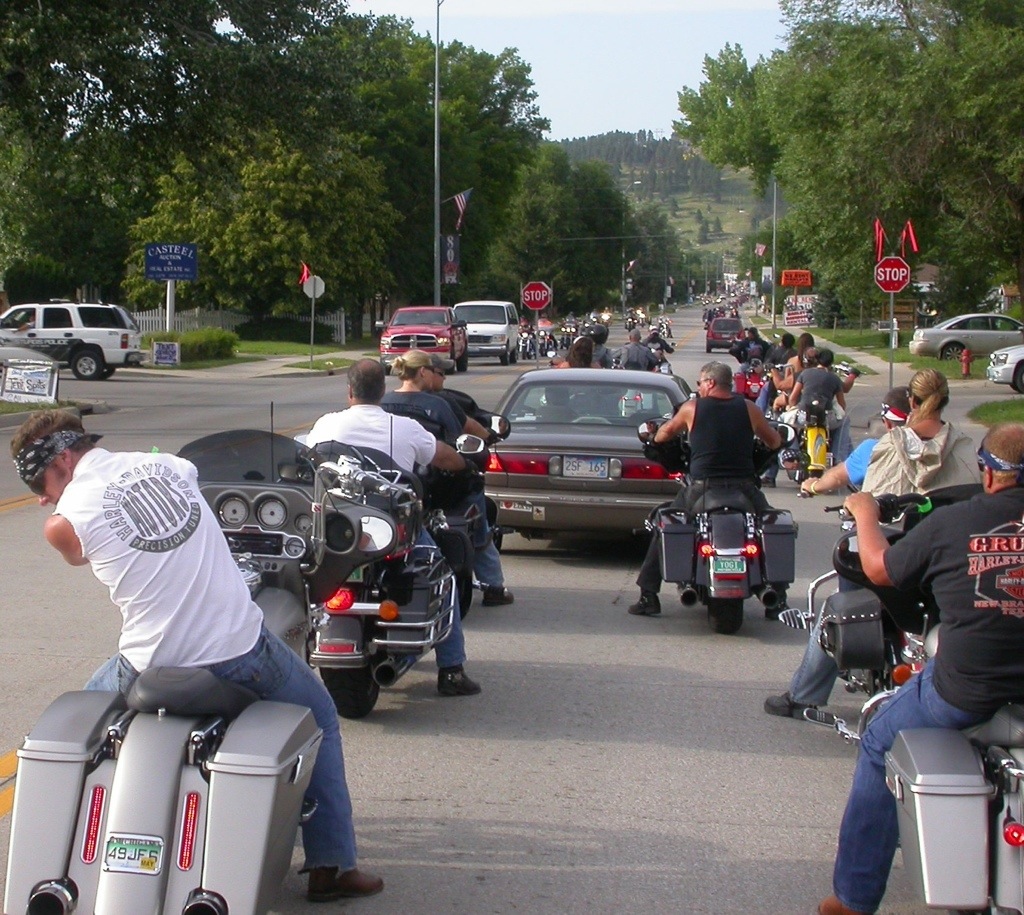
Our last stop of the day was a drive through Sturgis, South Dakota, where the annual Sturgis motorcycle rally takes place. A sleepy village the rest of the year, tens of thousands of motorcyclists from all over the country converge there for a week in the summer to ride, eat, ride, shop at motorcycle tents, ride, drink beer, ride, sleep, and ride some more. The town takes it in stride, with some people renting out their front lawns for tenters for $25. We were there on the 4th day of the rally, and according to the evening news the bikers’ behavior was better than previous years, with only 171 DUI arrests, 147 drug arrests, 986 total citations and $11,900 cash seized. Those biker attorneys must stay pretty busy. I took my photos and we left quickly to the quieter streets of Wall, SD.

 On the Road Again