Unknown's avatar

About caroltracycarr

Writer, Musician, Grandmother, Retired Attorney

Awesome Yellowstone

I’ve been to Yellowstone four times, and I have thus far seen only about a third of it. It is awesome on so many fronts: its mountains, rivers and valleys make every turn in the road a photographical moment; and of course, its geysers create both sporadic and quasi-predictable memorable events. Yellowstone takes great pride in its status as the first National Park, and it has set a very high standard for all the others to follow.

What do Mount Rushmore and Crazyhorse Have In Common?

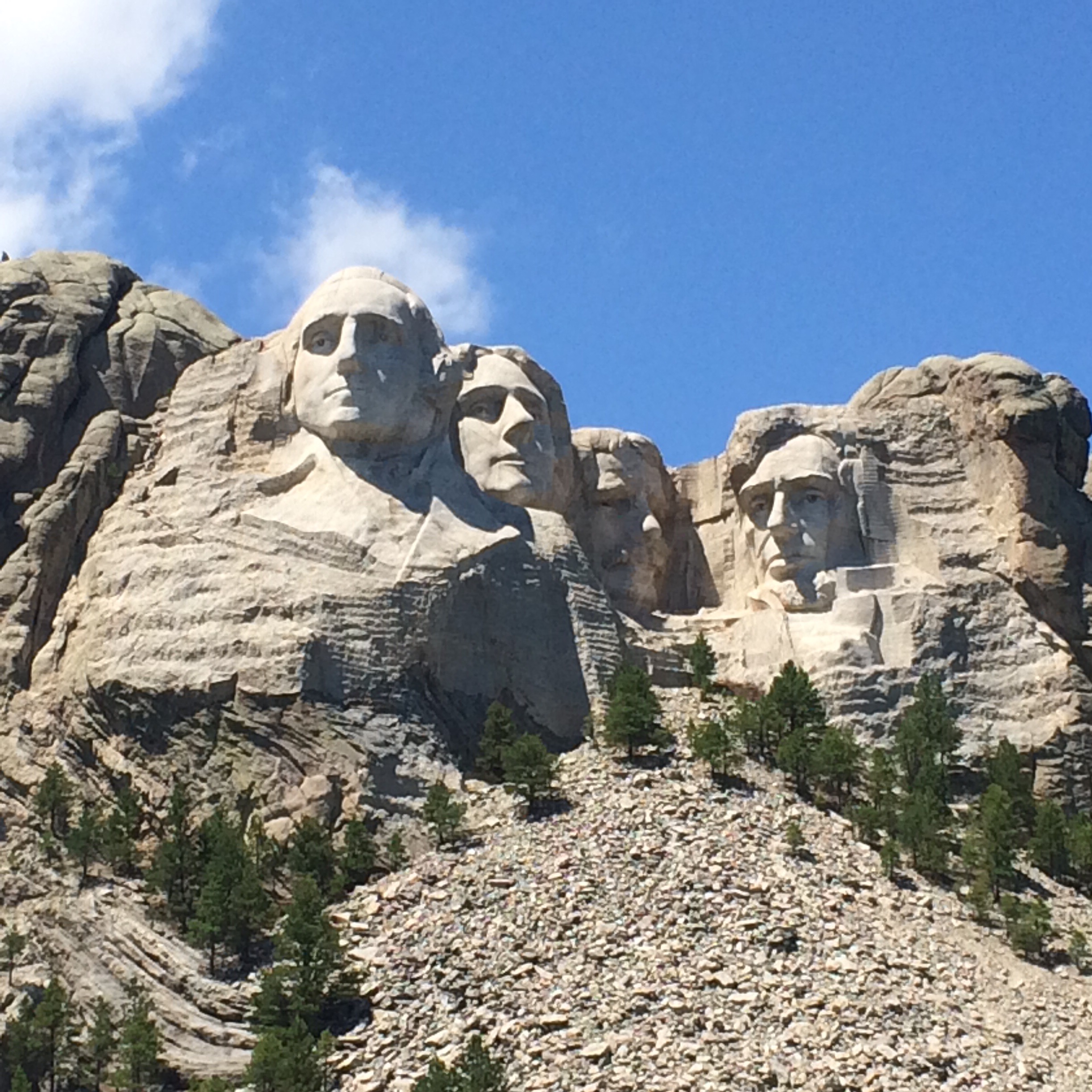
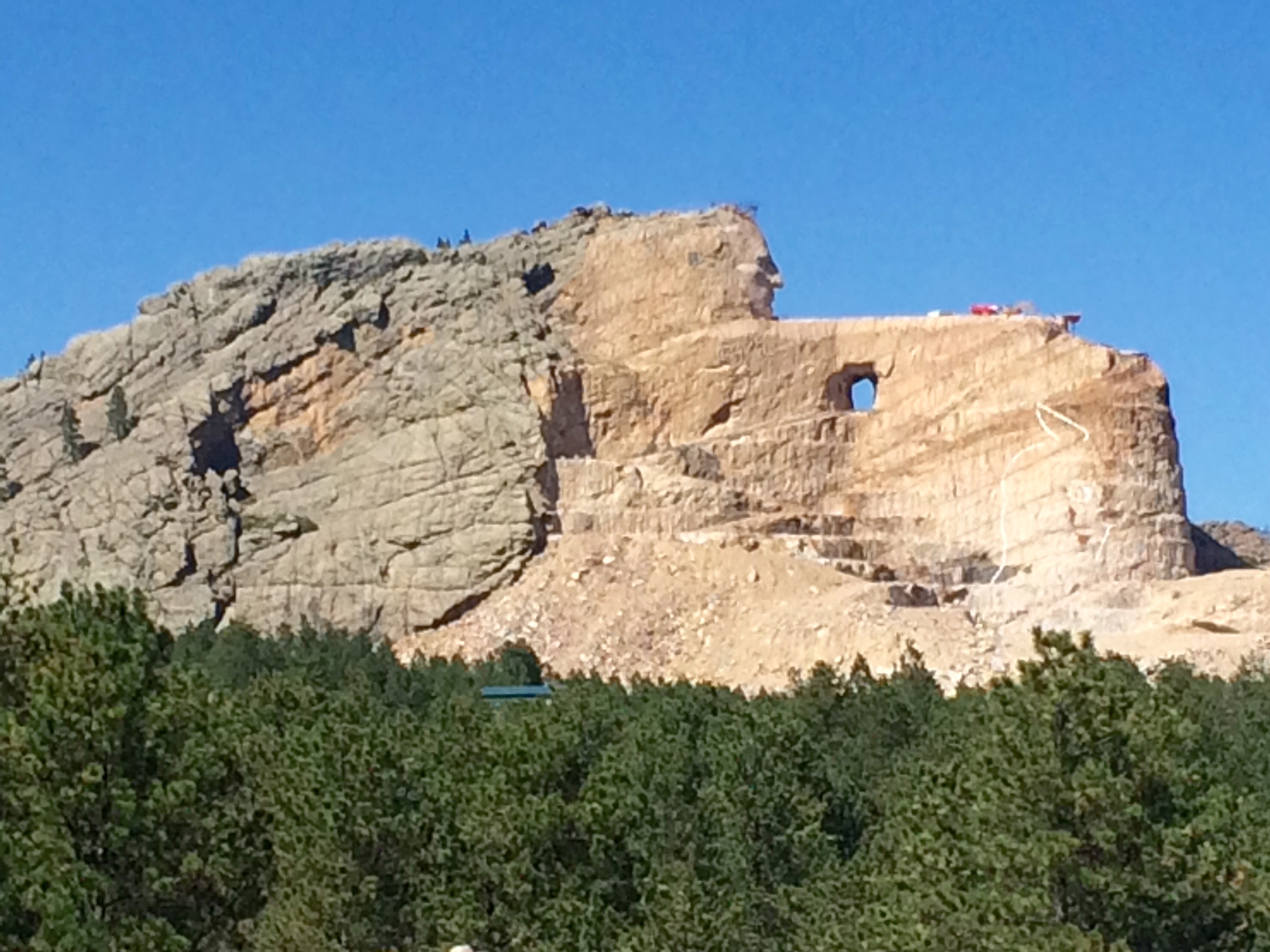
Two men with an immense imagination and a capacity for work. The two monuments, while commemorating the nation’s founding fathers and a Native American who cared deeply for his own Indian nation, atruly the story of Gutzon Borglum and Korczak Ziolkowski. 

Gutzon Borglum


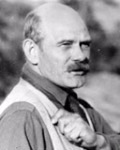
Korzack Ziolkowski

Borglum was an American sculptor who started life in a polygamous Mormon family, apprenticed as a machinist, but then went to Paris to study art where he met and was influenced by Rodin. He was fascinated by gigantic scale and themes of heroic nationalism and was initially involved with the carvings of Stone Mountain. One of of his earliest works was a head of Abraham Lincoln carved from a six-ton block of marble. He was a natural choice when South Dakota state historian Doane Robinson began the Mount Rushmore project. Originally, it was only to include Washington and Jefferson, later expanded to include Roosevelt and Lincoln. Borglum didn’t live to see the project completed; he died from complications of surgery about a year before it was completed by his son, Lincoln Borglum, and even then, Roosevelt and Lincoln were both relatively unfinished.

Korczak Ziolkowski came from a very different background. He had worked on Mount Rushmore with Borglum and had learned the important skills necessary for sculpting on an immense scale, in particular the ability to control explosives. He was contacted by Lakota Chief Henry Standing Bear to create a monument to Crazyhorse who was an important leader of the Oglala Lakota and a man that the Native Americans viewed as a hero. In the monument he is depicted as a warrior on horseback pointing to the hills where his people are buried. Ziolkowski also did not live to see the completion of his project, but he left behind his wife and ten children, the majority of whom are still involved with the completion of the project, and also the foundation which Ziolkowski and his wife created to support the project. Only private funds raised by the Ziolkowski’s have been used for this project, and they are adamant that no Federal funds will be involved. In addition to the monument, the foundation is also involved with the creation of a Native American university on the land beneath the monument which will someday have a medical school.

I have always been awed by what one person can achieve in this world if they focus all their energy and effort to making it happen. While both of these monuments required many thousands of workers, it could only have been conceived through the imagination of sculptors capable of dreaming beyond the scope of most people’s imaginations.

National Music Museum

Vermilion is a charming university town that is home to the University of South Dakota, and within the university the National Music Museum, housed in a former Carnegie Library on campus.


The collection is extensive, a superb collection of all types of instruments from original string instruments made by the masters of the 16th century up to the present day. An audio tour of the collection gave you both a description of the instrument you were viewing and a sample of the sound made by that instrument. For example…

image

This early 19th century piano is the kind that Beethoven or Schubert would have played. The beautiful painted design above the keys also extends to the bottom of the cover.

image

This beautiful 18th century organ was donated by one of the local churches; it is actually a reed organ but is decorated with a facade of pipes, as they were a much more costly instrument.

image

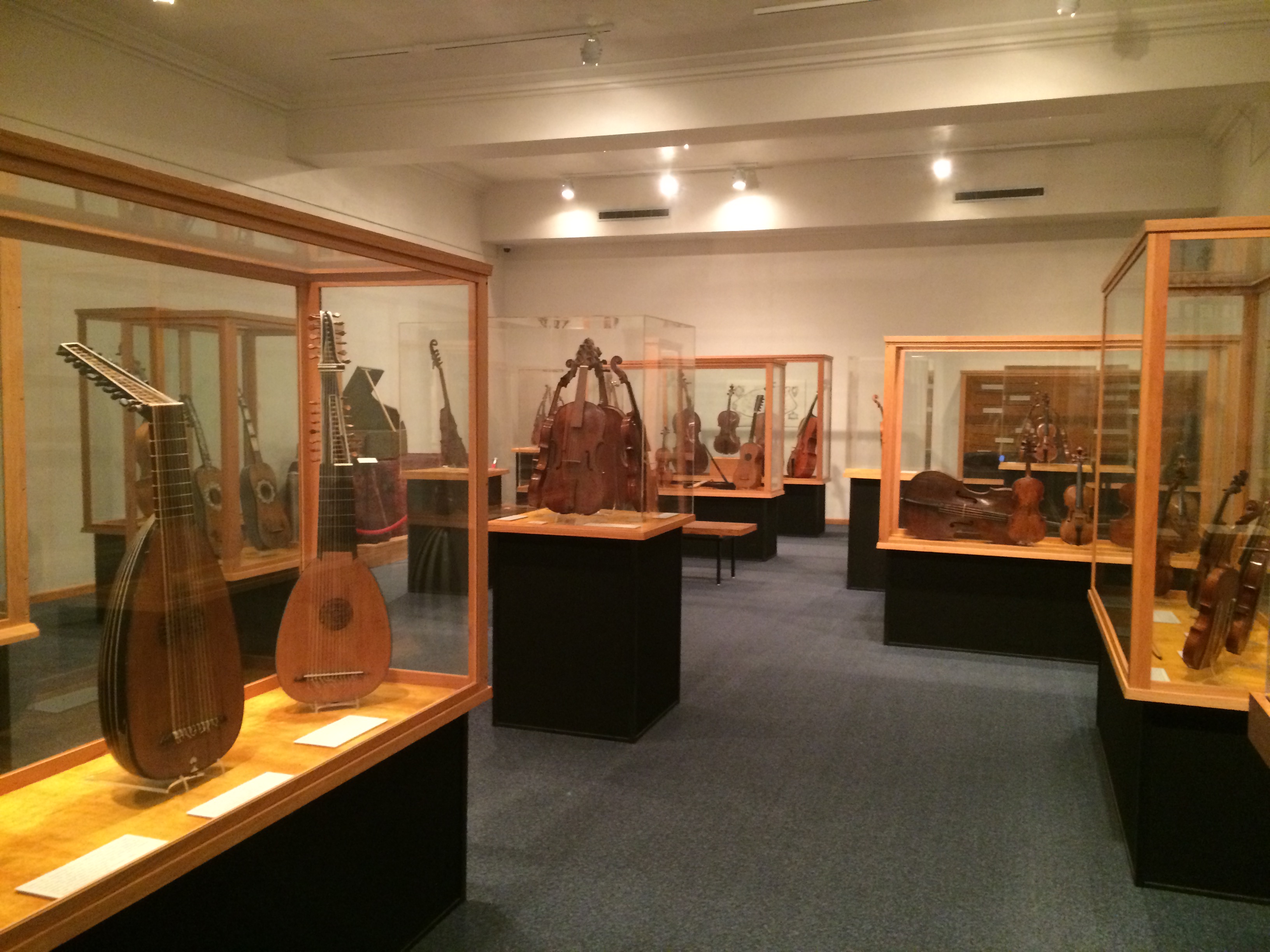
A roomful of stringed instruments from all of the most noted luthiers over the centuries could have have kept us there for hours more than we had time to spend a that NMM.

image

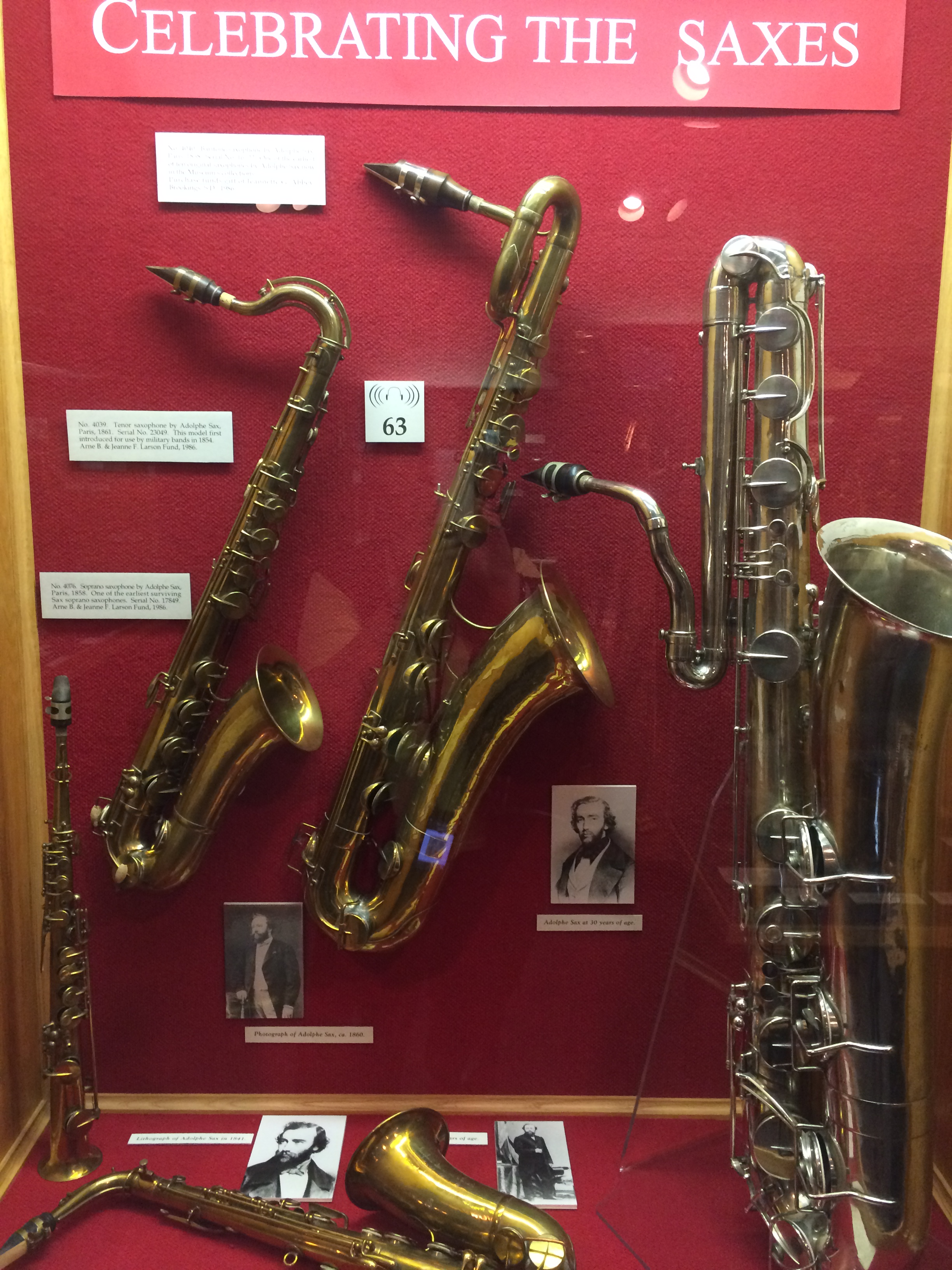
Adolph Sax, inventor of the saxophone, was a prolific inventor and instrument-maker, His instruments filled this cabinet and another (not shown).

The National Music Museum was started when a South Dakota bandleader and enthusiastic collector of musical instruments, Arne B. Larson, needed a home for the more than 2500 instruments he had collected. Since then the collection has grown to about 15,000 with donations and purchases. When generous donor gave $3 million dollars to acquire the collection of early Italian strings pictured above, it put NMM “on the map,” up there with some of the fine collections in the Metropolitan Museum of Art and the Musical Instrument Museum in Phoenix.

It was a glorious way to spend Saturday morning, and we could have easily stayed all day. Instead, we headed west to make it to Belvidere, SD to be in a good location to visit next Mount Rushmore and the Crazyhorse Monument.

National Sprint Car Hall of Fame and Museum

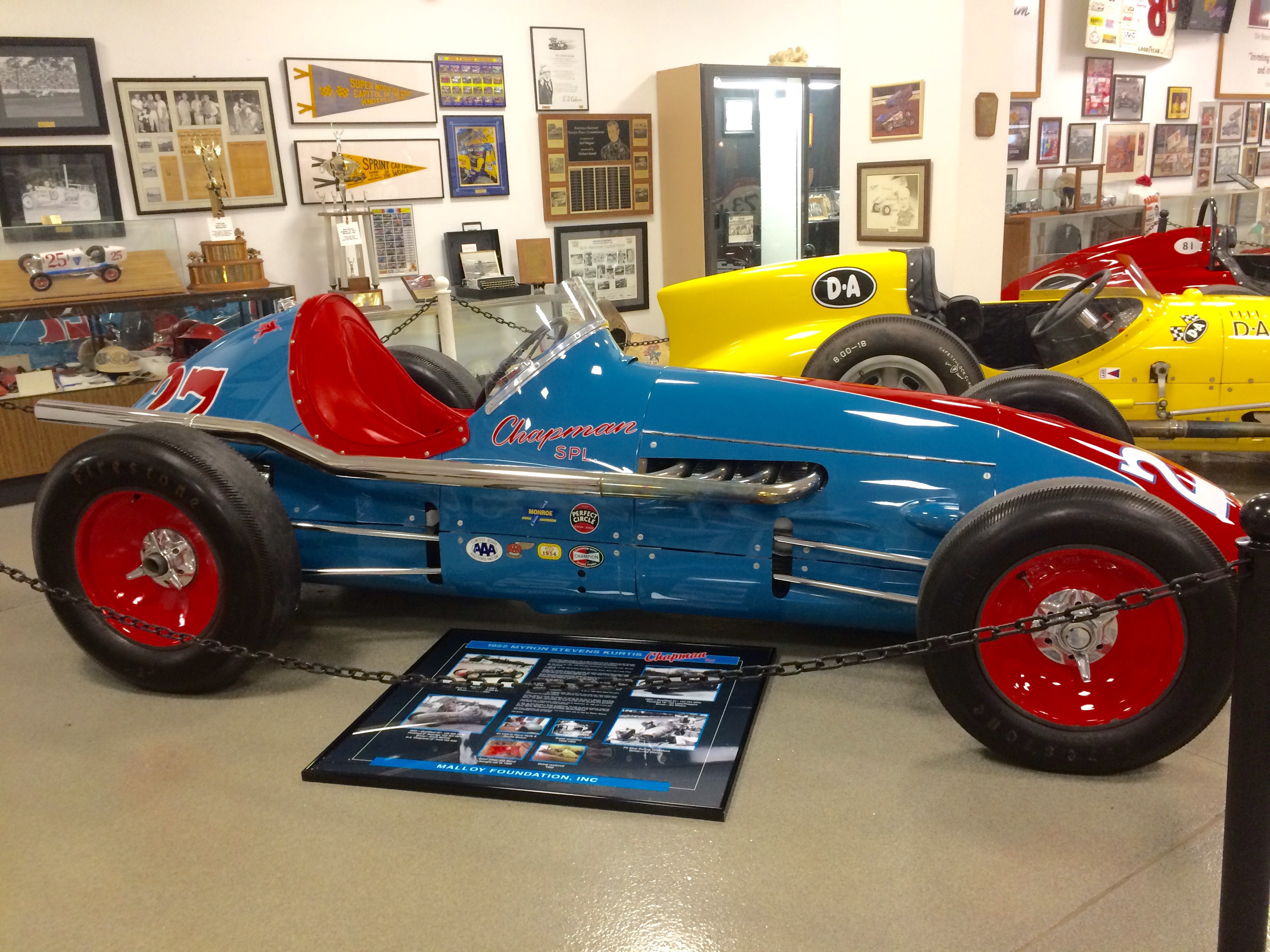
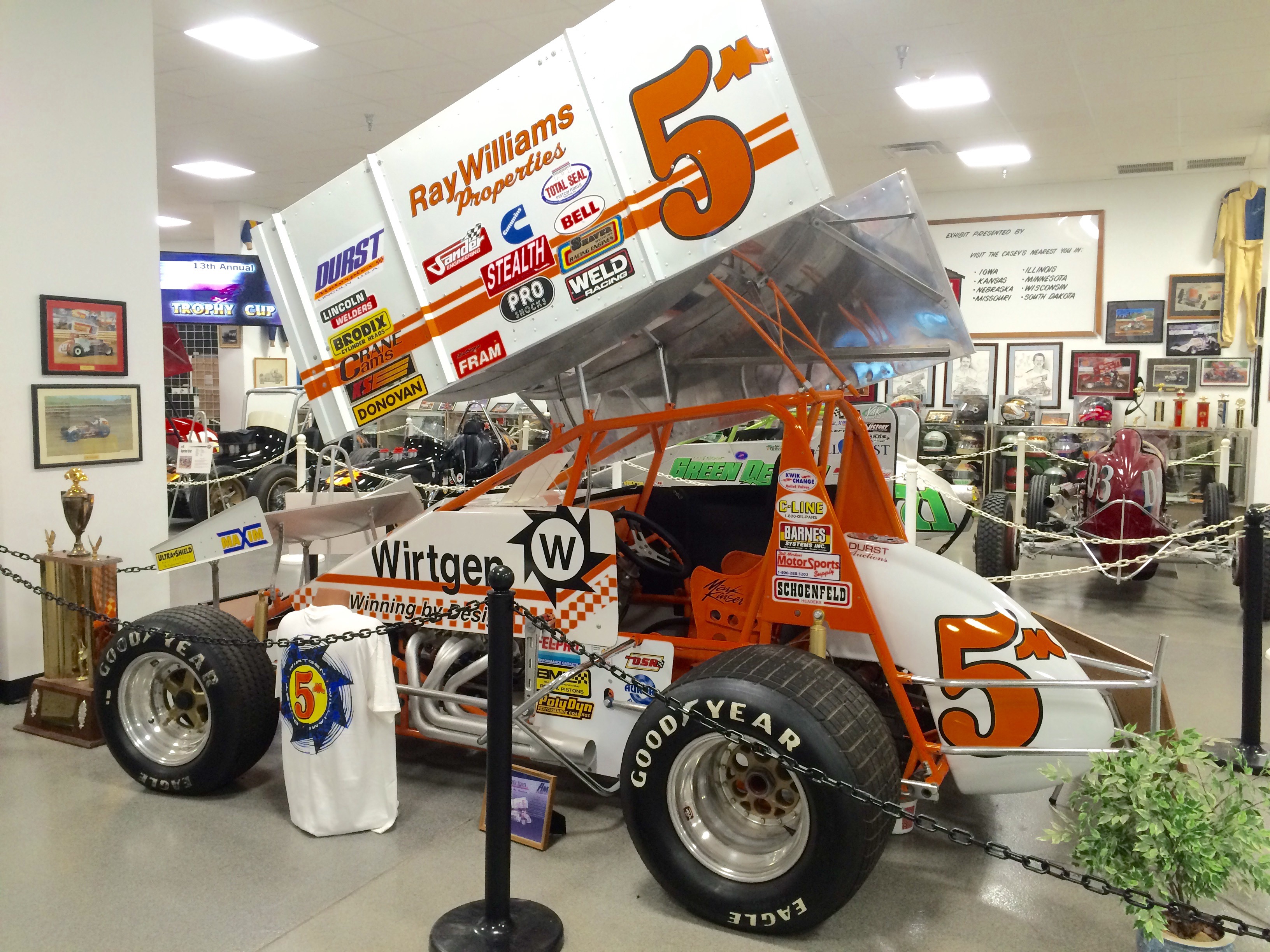
 In Knoxville, a small museum has a superb collection of “sprint cars”, which are different from the “stock cars” that are see in the more popular NASCAR races. Those cars are based on cars provided by Ford, Chevy, or Toyota. Sprint cars are built from scratch, sometimes by their drivers, and the race course is a dirt track rather than the paved racetracks that NASCAR races require. Racing on such a course calls literally sliding sideways around many of the curves, always with the possibility of spinning out. It’s a dangerous sport and one found predominantly in the Midwest.

Some of the first sprint cars looked like the blue one below, built in the early 1950’s. In later years, this original design was significantly altered by the addition of “wings” which were used to manipulate the air passing over the car to improve its performance, like the red and white car below.


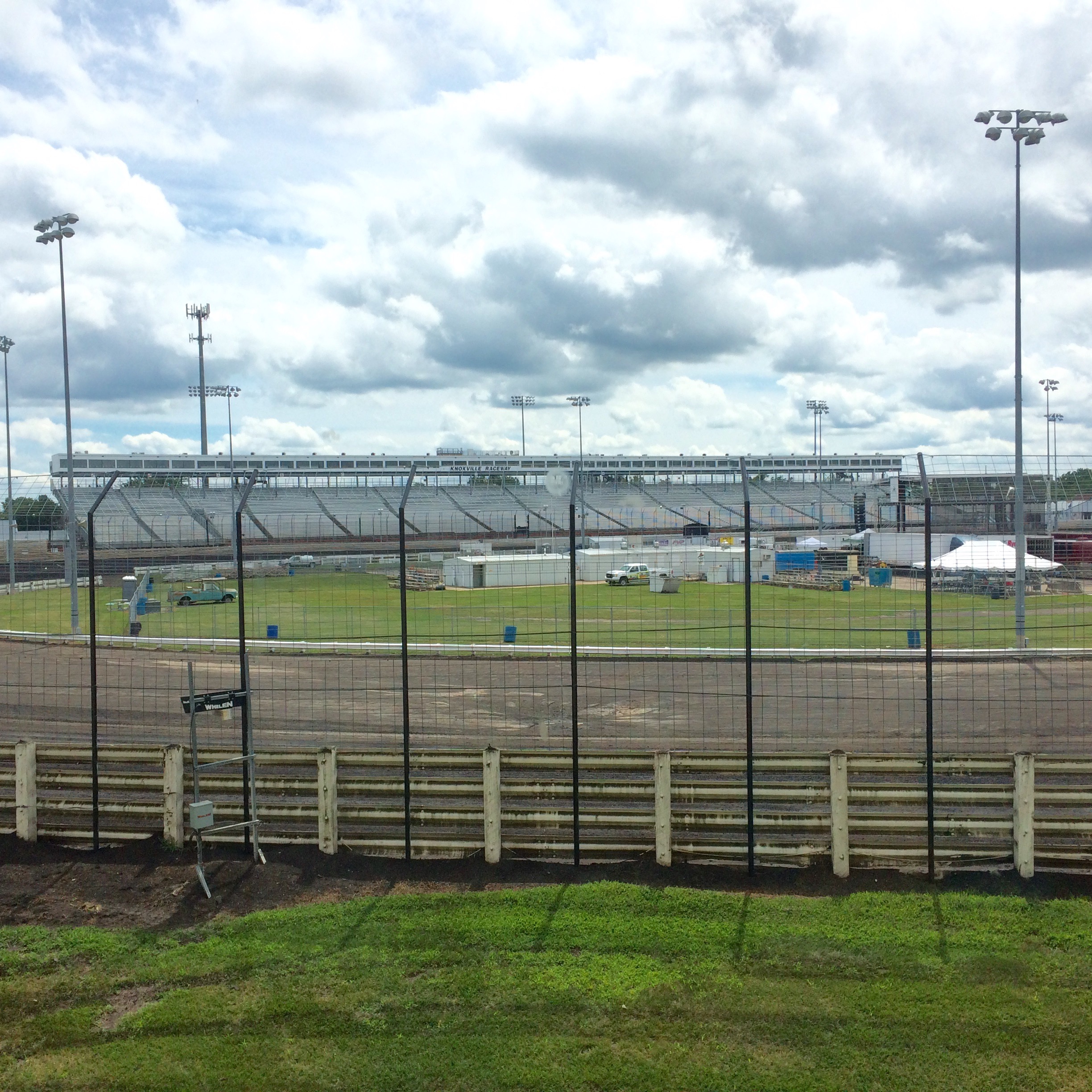
The racetrack is built from local Iowa loam, which becomes like fly-paper when it’s prepped with water, to the extent that if you walk on it with sandals it will suck them off your feet. The track was being prepared for a race the following day, and the water trucks were steadily watering the track as we watched.


In the Hall of Fame section of the museum, some of the winners license plates were arranged to decorate one of the walls in an unusual and appealing manner.


The remainder of the day was spent traveling to western Iowa to be in a good location to reach Vermilion, South Dakota the following morning to tour the National Music Museum at the University of South Dakota. And at last we left behind the humidity of the high temperatures of the East and slept well in cooler, drier night-time breezes.

Who Was Born in Grant’s Birthplace?

Grant’s Birthplace, Point Pleasant OH

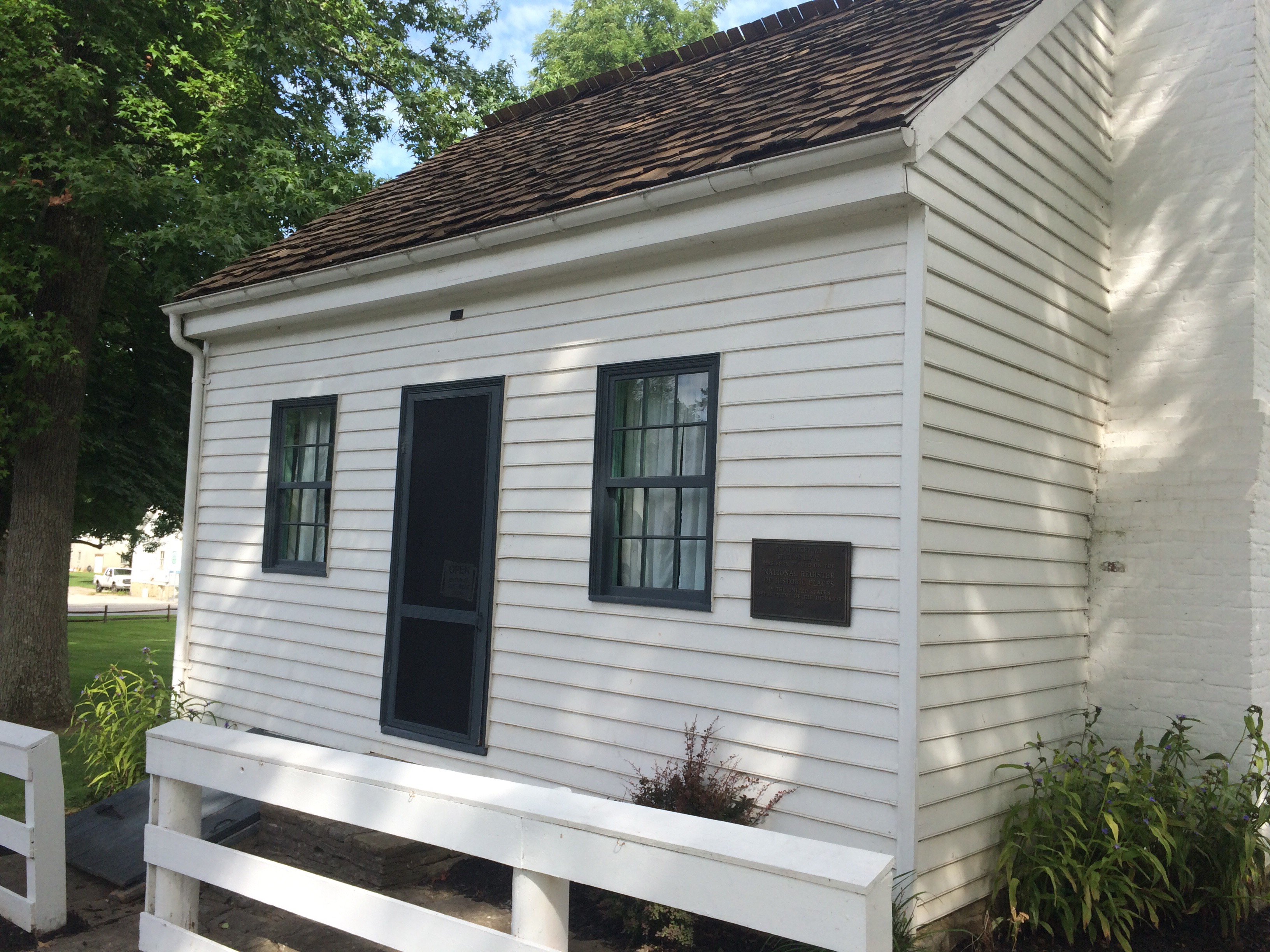
The immense community pride that the small town of Point Pleasant, Ohio has for Ulysses S. Grant is very evident in the way they continue to honor their native son. While he was born here, the Grant Family lived here only a short time before moving to Georgetown, Ohio; nevertheless he is the main attraction is this charming town. Ulysses grew up in a family of tanners, and but for a favor to a friend of his fathers, he would not have become a West Point cadet and ultimately a three-star general, a rank previously held only by George Washington. His humble beginnings are very evident in this one room house.
The house shown above became a tourist attraction in Point Pleasant a short time after Grant’s death, but when it failed to bring in the tourists needed to make it a profitable attraction, the owner literally took it on the road, or rather on the river. He moved it onto a barge and took it as a traveling tourist attraction down the Ohio River to the other port cities. When he reached the southern end of the river, he was unable to put it on a train to tour the inland cities, so he took it apart, numbered each piece, and traveled with it to state fairs and other well-populated venues, re-erecting it in each new site with the help of local men. Finally it returned to Point Pleasant, was adopted and nurtured by a local group of citizens, and today it stands, painted and polished up, and staffed by a very knowledgable guide.

“Of all the U.S. Grant homes and national sites,” he states proudly, “ours is the only one to have a baby picture of U.S. Grant.” Eyes are directed to the baby crib next to the rope-strung bed covered with a quilt made by a local group of women; see below.


“That get’s a laugh every time,” he chuckles, and proceeds to give us a very personal and insightful tour of the house’s artifacts. The most interesting one was a clever piece of furniture I’ve never seen before, a nanny’s rocker. Built to hold both the nanny or mother and the child behind a removable front enclosure, it clearly was intended to help the woman continue to be productive while the child she was guarding could be comforted with a gentle rocking.  It was an original piece belonging to Grant’s parents.

Nanny Rocker

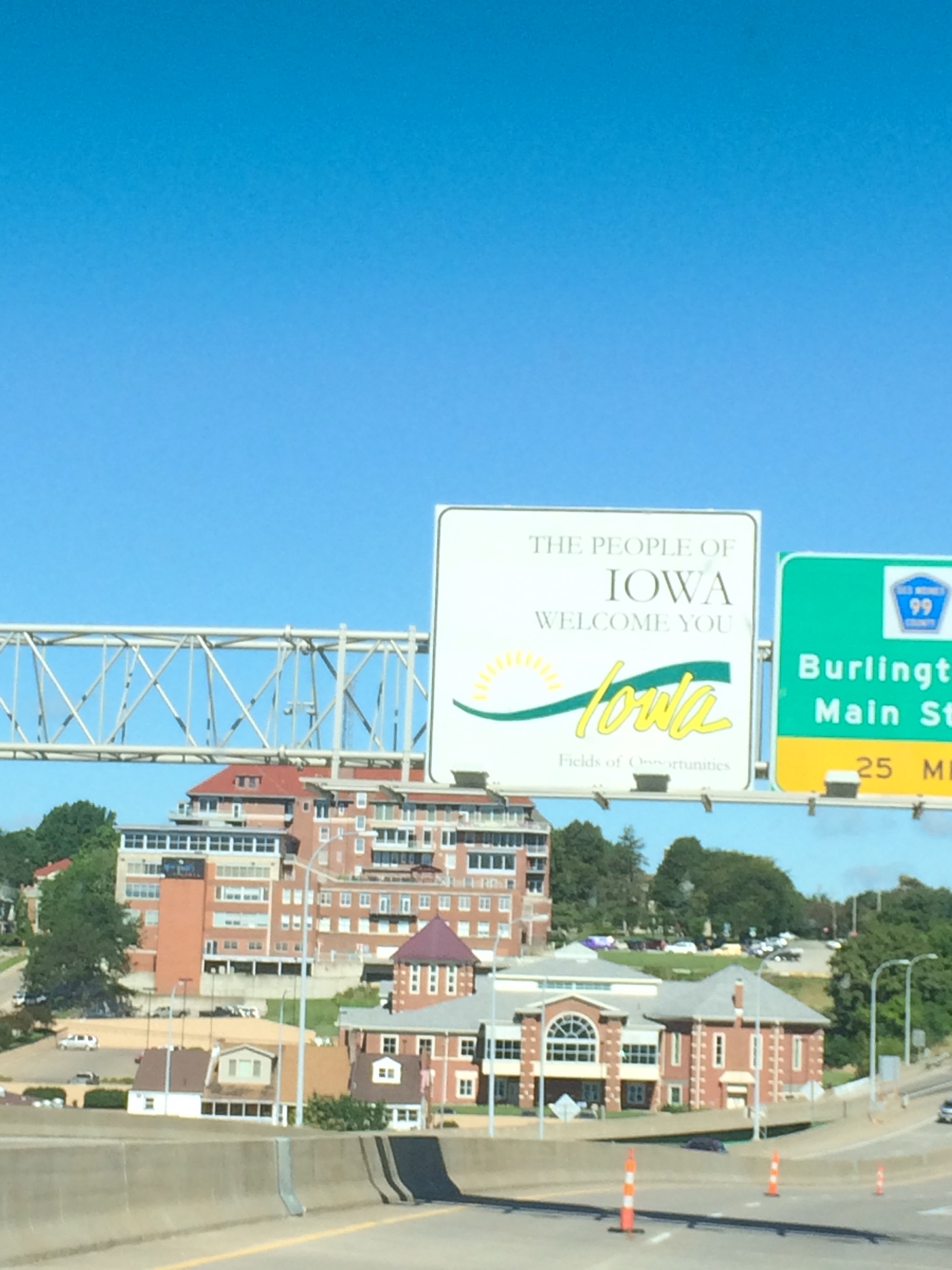
The remainder of our day was spent traveling into Iowa where we spent a quiet night in a campground outside of East Knoxville, Illinois. Crossing into Iowa at Burlington, I experienced once again that awe that only a river as grand as the Mississippi can inspire.

Mississippi River at Burlington, Iowa

Katrina Revisited

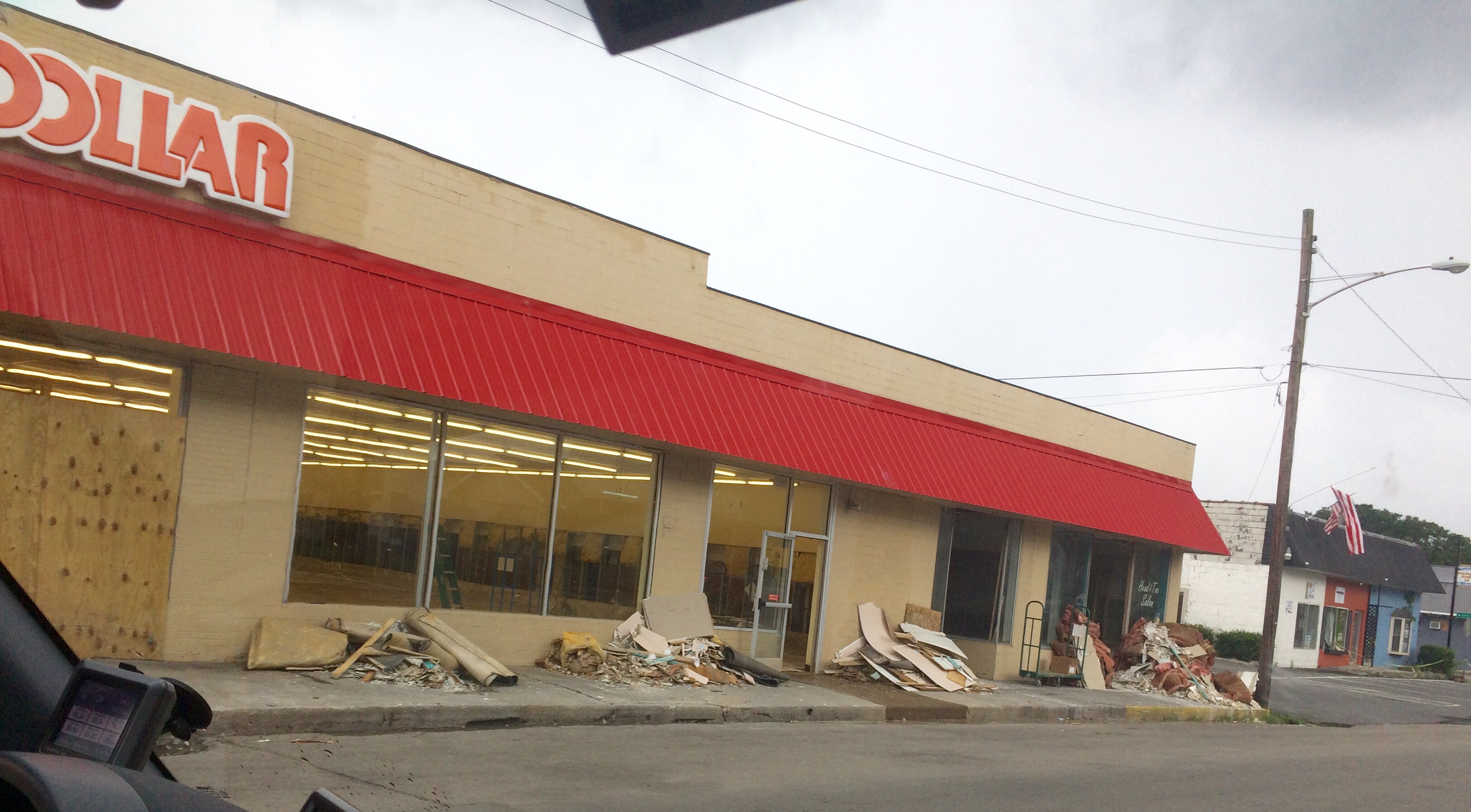
Never before have we started a vacation by visiting a site of one of the worst natural tragedies in recent history. Route 60 took us through the town of Rainelle, West Virginia, a town that was devastated in the 2016 West Virginia flood that began with torrential rains on June 23. Thunderstorms poured up to 10 inches in just a few hours that then produced widespread and destructive flash flooding. One of the citizens was quoted as saying “Many people lost everything and some people lost their lives….This is our Katrina.”

We first noticed huge piles of trash in front of nearly every home and business. Then we saw the Red Cross signs for help. A fellow I met at the Subway several towns further down the road told me they had opened their schools and town hall for the families who were evacuated, and some were still living in shelters.

Three weeks after the worst flood in their town’s history.

Imagine the picture above times several hundred. In a town of 1500 population, losing one person is a tragedy; Greenbrier County, in which Rainelle is found, lost 15 lives. It was reminiscent of the trip we took through Louisiana and passed through New Orleans one year after Katrina. Huge piles of debris still filled the center of the roads and the empty lots. Rarely do we see so clearly this lesson that our lives and homes are so very fragile.

The remainder of the day was spent wandering through the mountains of West Virginia into Kentucky, and finally reaching the relatively flat plains of the farmlands of Western Kentucky and eastern Ohio. Corn and soybean crops all looked healthy. We spent the night on a lovely (and lonely–we were the only campers there!) campground on the Ohio River.  This was our view that afforded a lovely sunset.

Away Out West

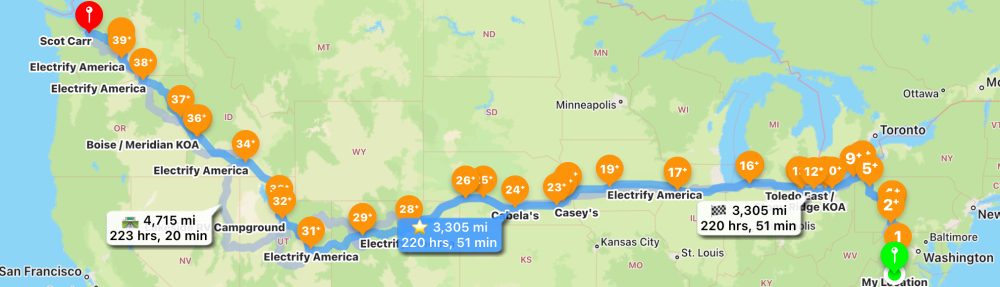
Tomorrow we hit the road, once again heading west to connect with our West Coast family. Having done this so many times, we’re challenged to find a new route to get from Virginia to Washington. This year will be our first time taking a diagonal route across the U.S. Tomorrow we head towards West Virginia, and follow a number of non-interstate routes through Ohio, Indiana, Iowa, and Nebraska. Then we’ll cut through corners of South Dakota and Wyoming on our way to Montana, Idaho, and ultimately ending in Seattle, Washington. The total trip should take about 8 days. First stop, Stout, Ohio, notable because its official name is Rome, after the city in Italy, but it was originally laid out by William Stout, which the community and even the US Postal Service uses as its name. Population in 2010 was 94, having started in 1870 with 471 and steadily shrinking since then.

What Does the Face of Civil Rights Look Like?

IMG_0481

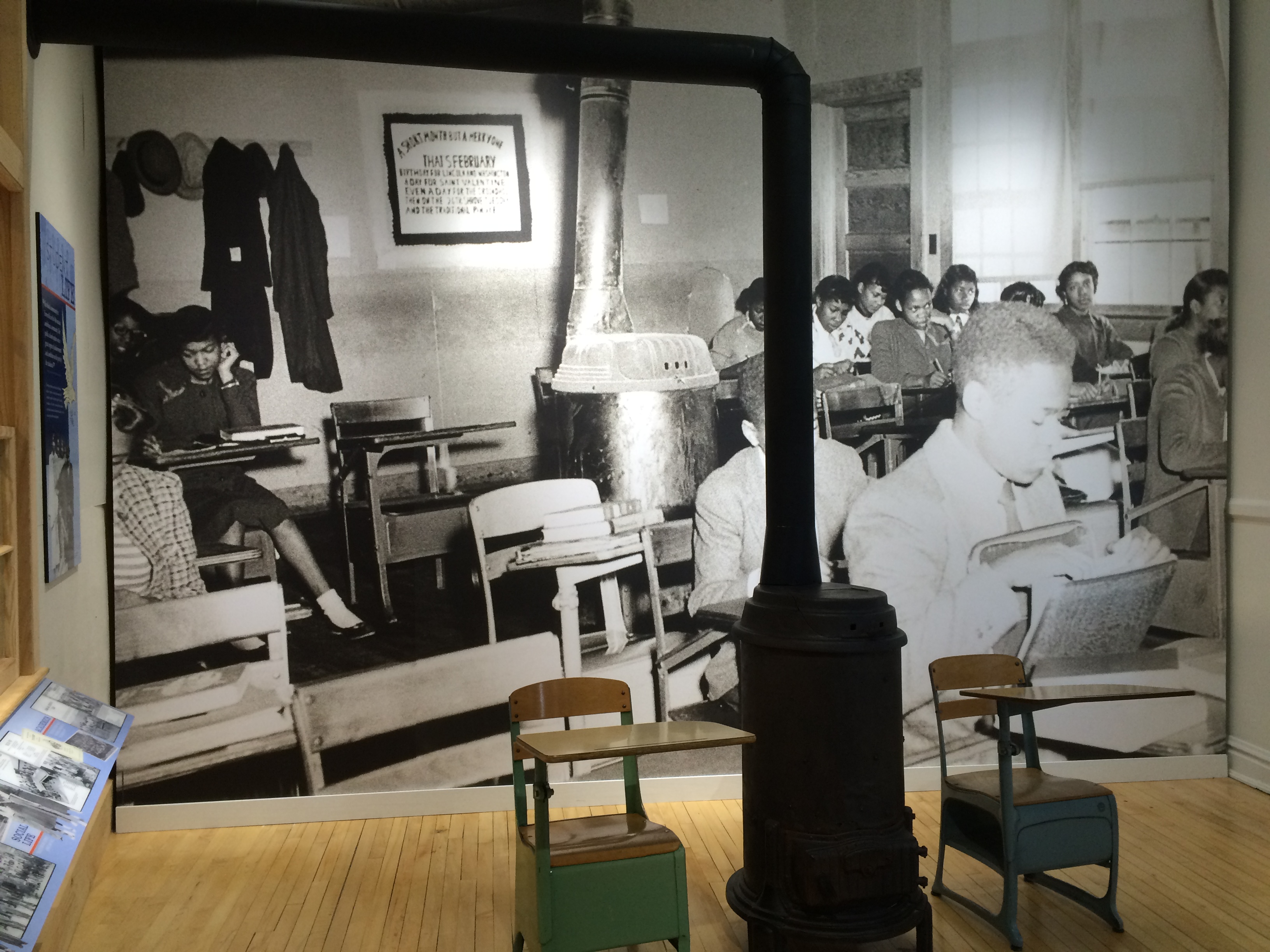
It’s easy to recognize those faces that dominate the news whenever civil rights are at issue. Martin Luther King, Julian Bond, John Lewis, to name but a few. All have made history in their own way. But in Virginia, we have a modest museum that commemorates a small group of young people that made significant history as part of the Brown vs. Board of Education litigation that ultimately overturned “separate but equal” as the standard for civil rights. The Robert Russa Moton Museum in Farmville, Virginia is considered the “Student Birthplace of America’s Civil Rights Revolution.”
moton-300x199

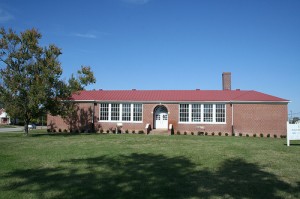
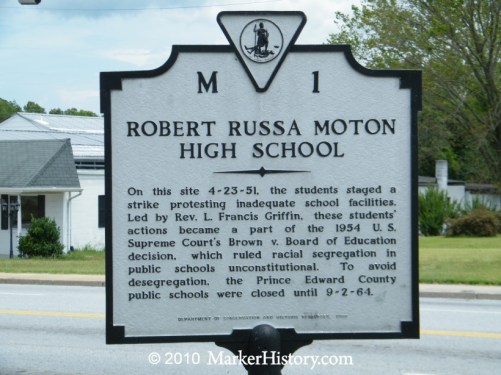
m-1 robert russa moton high school Robert Russa Moton High School in Farmville, VA

In 1951, black Farmville students had had enough. Built in 1939 to accommodate 180 black students, their school had no gymnasium, no cafeteria, no science laboratories, and no athletic field. A decade later, the county constructed several freestanding buildings, made of plywood and tar paper, to accommodate a student population of more than 400. The buildings had no plumbing and were heated by wood stoves.

s.-main-st-view

IMG_0466

IMG_0470IMG_0467

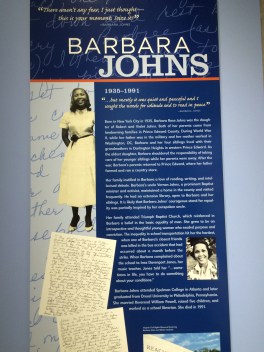
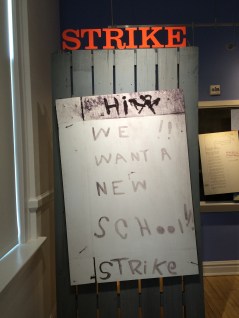
The black students were acutely aware of the substantial inequities between their school and the white school (only $316 was allotted per black student per school year compared to over $1,000/white student). Led by a remarkable young woman, Barbara Johns, they walked out of their school and set the town on end. They met with resistance from the school administration, from the town leaders, and from some black parents who were afraid to attempt change. Ultimately, a letter from Barbara Johns brought the NAACP down to review the situation, and they made it a component of the lawsuit that ultimately incorporated four other schools around the country under the case name of Brown vs. Board of Education.

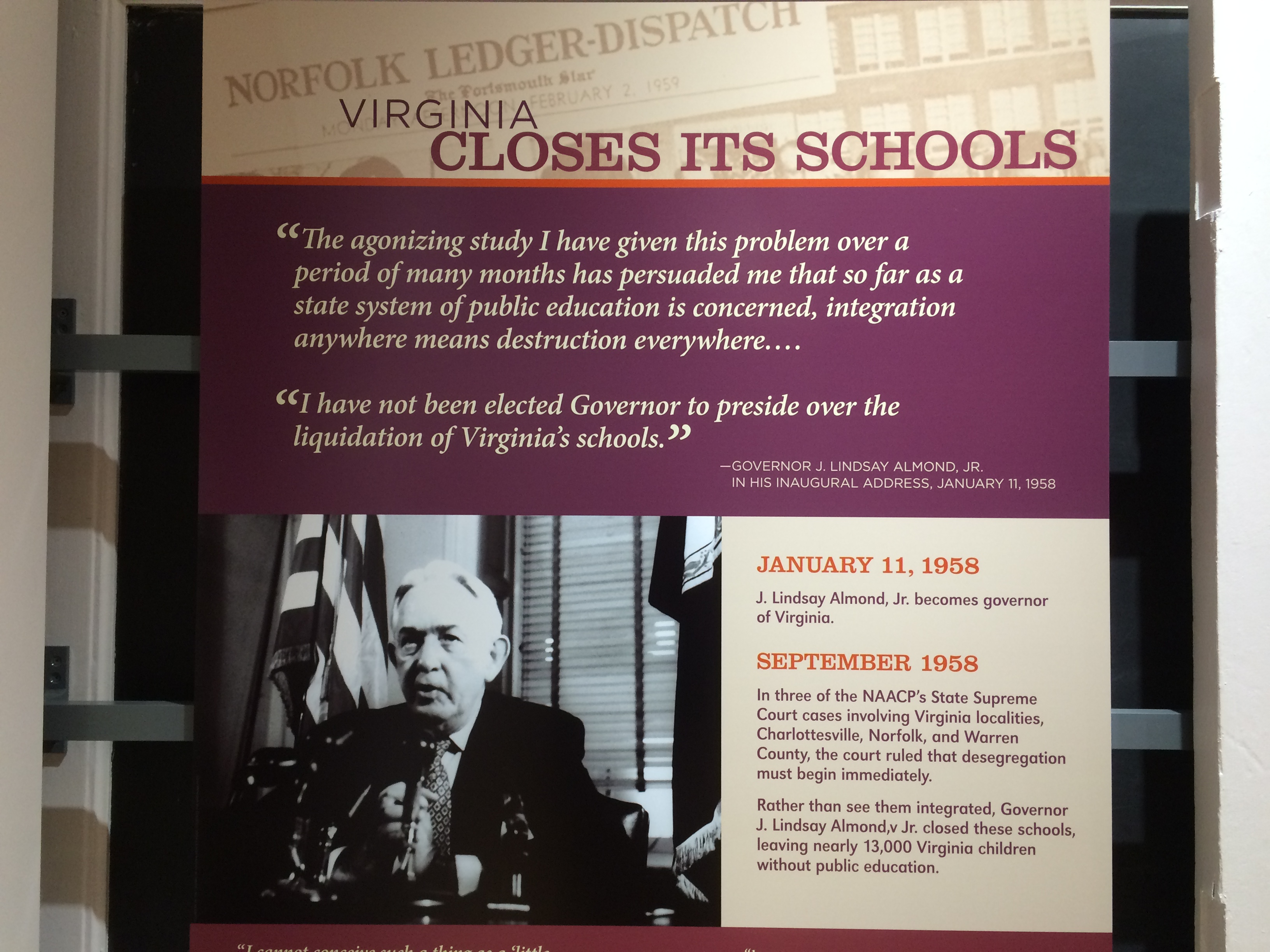
The museum tells in detail, with much attention to the personalities involved, how the lawsuit traveled through the various courts to reach the Supreme Court. Along that path, Prince Edward County ultimately decided to close the public schools rather than integrate, as ordered by the court, which prompted the community to build private schools for the white students only. Black students either did not attend school for the five years the schools were closed, or were forced to live with relatives elsewhere or their families moved out of the county in order for them to receive an education.

IMG_0500

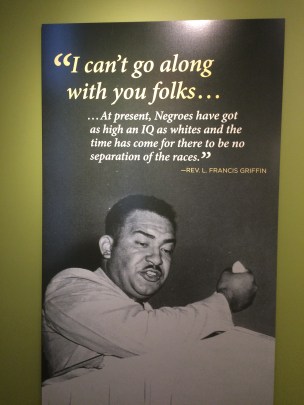
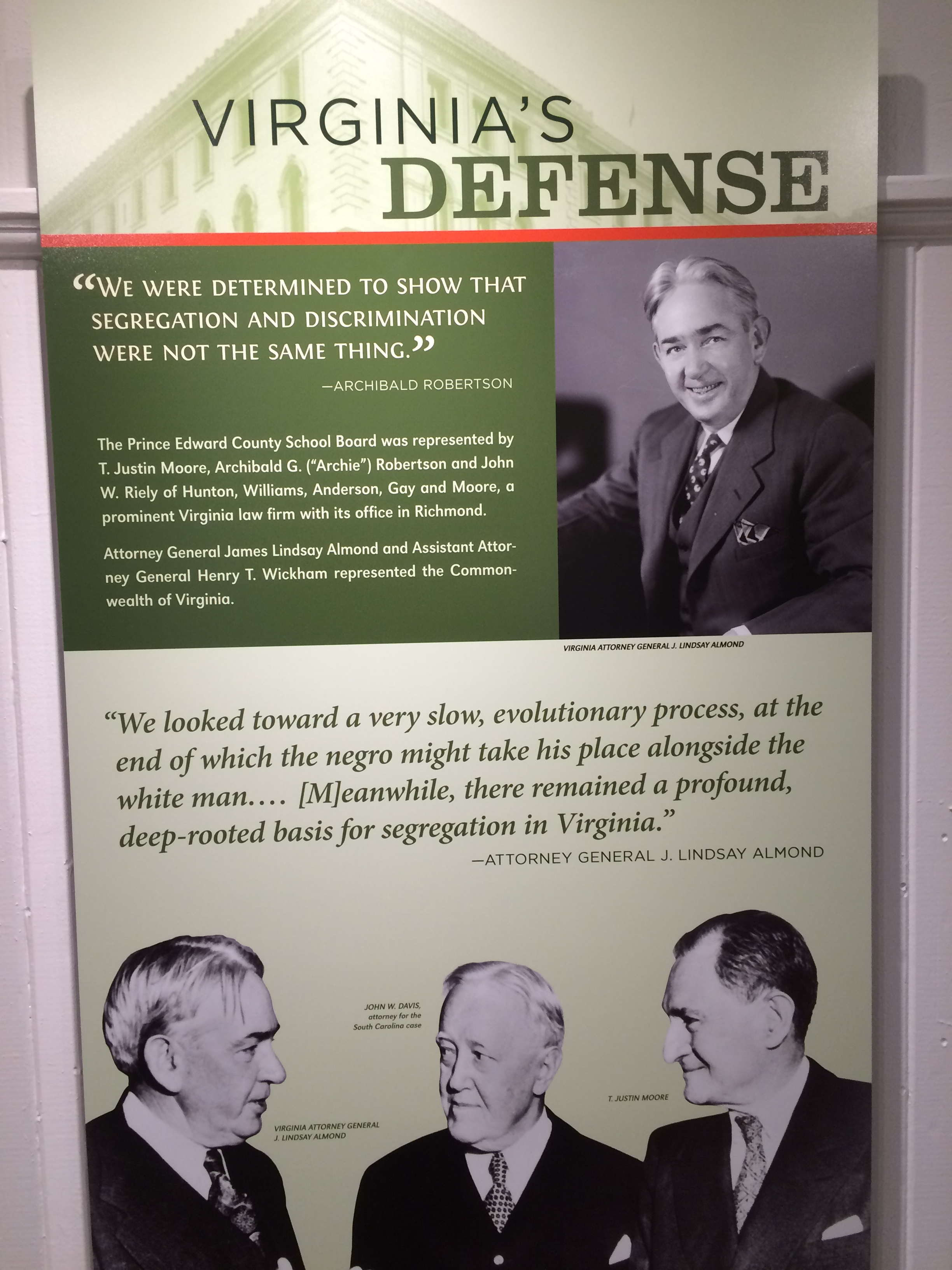
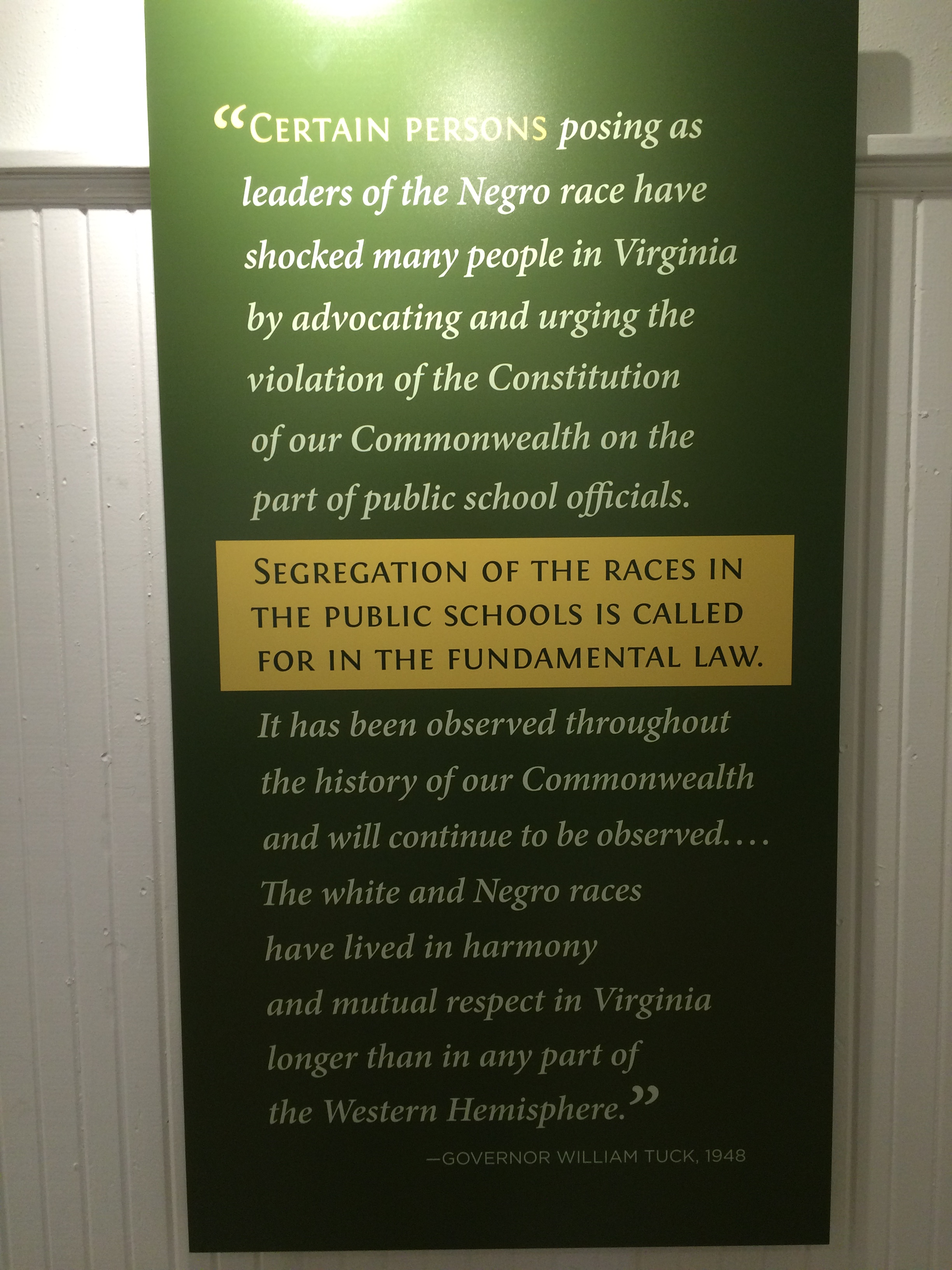
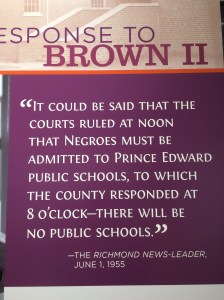
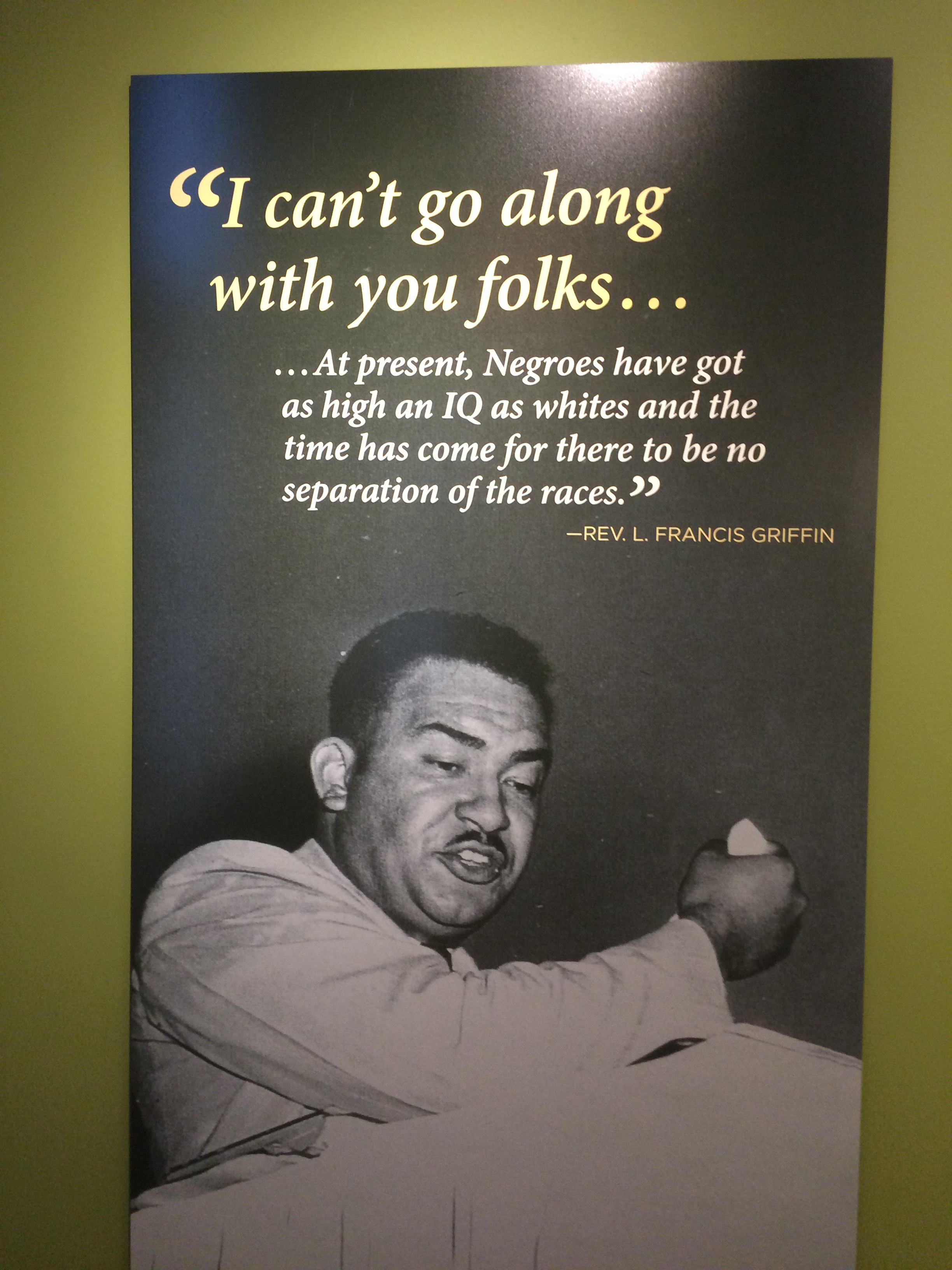
The story of heroism on the part of the students (the Farmville lawsuit was the only one of the Brown vs. Board of Education lawsuits that was initiated by students), and of their persistence in the face of significant pushback by the county, state and national courts and judges is well presented. The posters below reflect some of the negative attitudes they encountered:

IMG_0477IMG_0498

IMG_0475

IMG_0499

IMG_0486

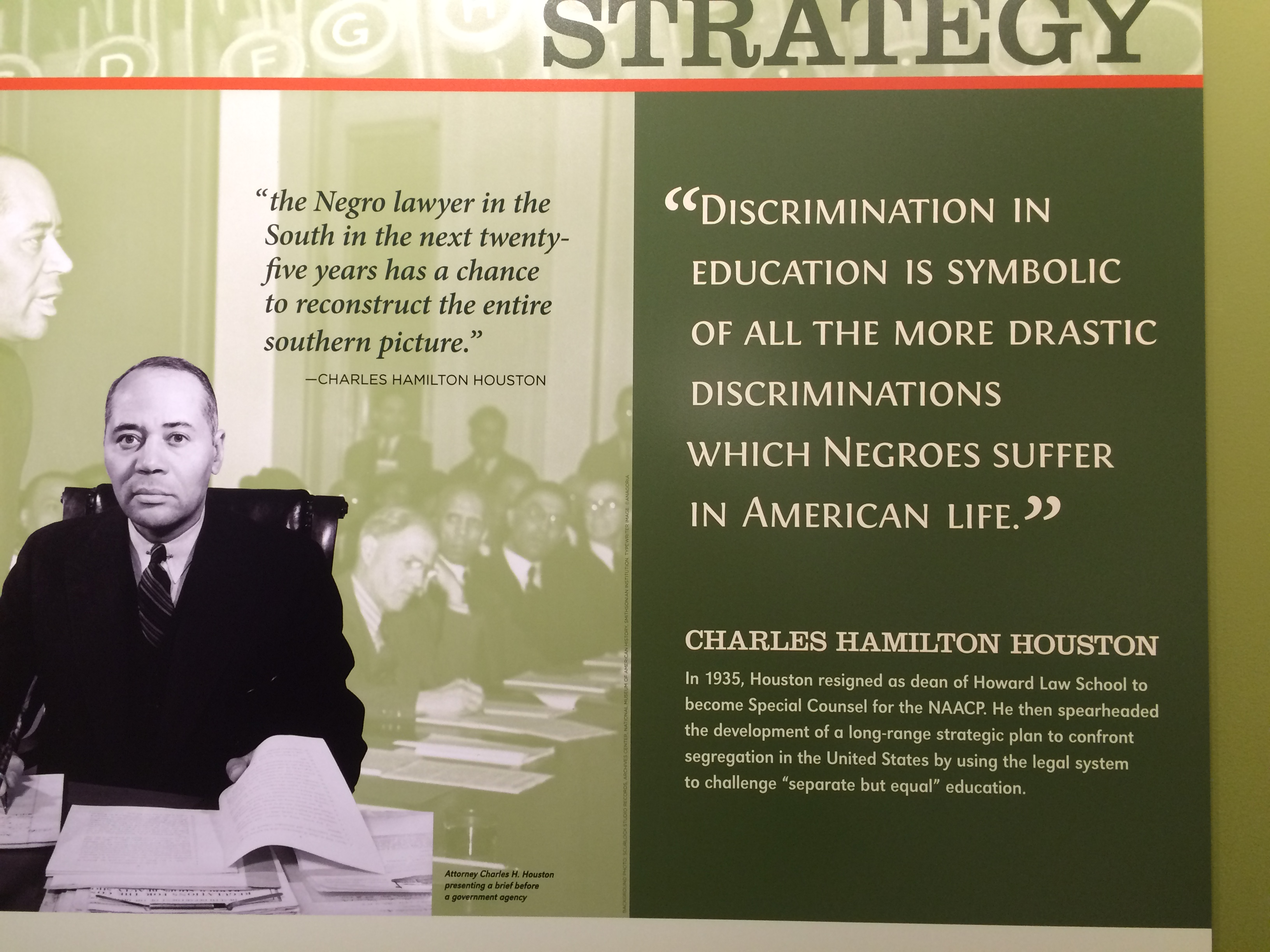
Of course there were advocates as well who ultimately prevailed.

IMG_0479

IMG_0480

IMG_0478

Knowing the ultimate outcome of Brown vs. Board of Education made it easier to engage with the exhibits, but the fact that it was being presented in the school where such rampant racism had existed made me painfully aware that all of this had taken place in my lifetime and in my home state, just an hour’s drive from where I now live. It still feels too close for comfort even as I write this. I highly recommend this museum, now a National Historic Landmark and a civil rights training ground, and commend the museum for making the students the principal focus of this museum. You can learn more about it at http://www.motonmuseum.org.
Some Final Thoughts on the Roosevelts

images-1

images-2

After having spent time at the Roosevelt’s various homes, the take-away feeling is a reinforcement of my belief that one person can make a huge difference in this world. And although these were not “ordinary people”, they were very human, with likely as many foibles and faults as remarkable accomplishments. Much of this sense was conveyed by the docents of the National Park Service that were stationed in each of the houses to explain what we were viewing and to answer questions. In every case, you could feel a warm affection for the Roosevelts that made conveying all the details they knew about them and their family a joy and an honor. I understand there is one docent who is close to 100 at Springwood who knew the Roosevelts personally, and I would love to hear some of the stories she can tell. I’ve been to National Parks all over the country, and I’ve never before experienced this closeness to their subject matter that emanated from the Warm Springs, Campobello, and Hyde Park rangers. Kudos to the National Park Service for doing their job so well, especially in this time of limited funding.
Val Kill

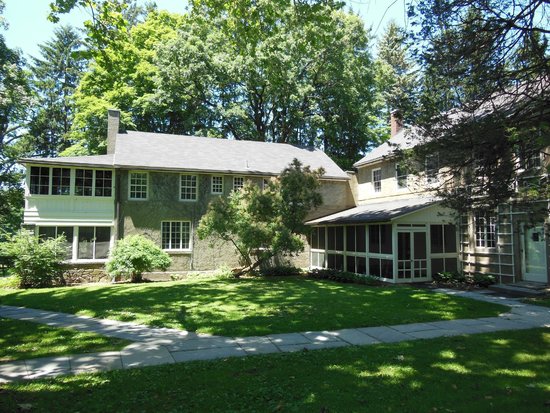
Val Kill, Eleanor Roosevelt's Home in Hyde Park

Val Kill, Eleanor Roosevelt’s Home in Hyde Park

IMG_0014

Lake in front of Val Kill

Eleanor Roosevelt biggest wish in life was to be useful, and nothing illustrates that better than the home that she created for herself at Val Kill. It is located several miles from the Hyde Park estate of Springwood, which was officially her home. In reality, it was her mother-in-law’s home, and Sara Roosevelt ran it and her family like a general. Thus, Eleanor jumped at the chance when Franklin suggested that she and her friends build a cottage on a piece of property he owned in Hyde Park on a small body of water, the Fall-Kill, a place where the family would come for picnicking and summer outings and sports. It ultimately became part of an experiment to see whether FDR’s ideas that small local industries could help keep farming communities viable during hard times. Eleanor and her friends built a cottage and a small factory for building furniture, and hired local people to work there.

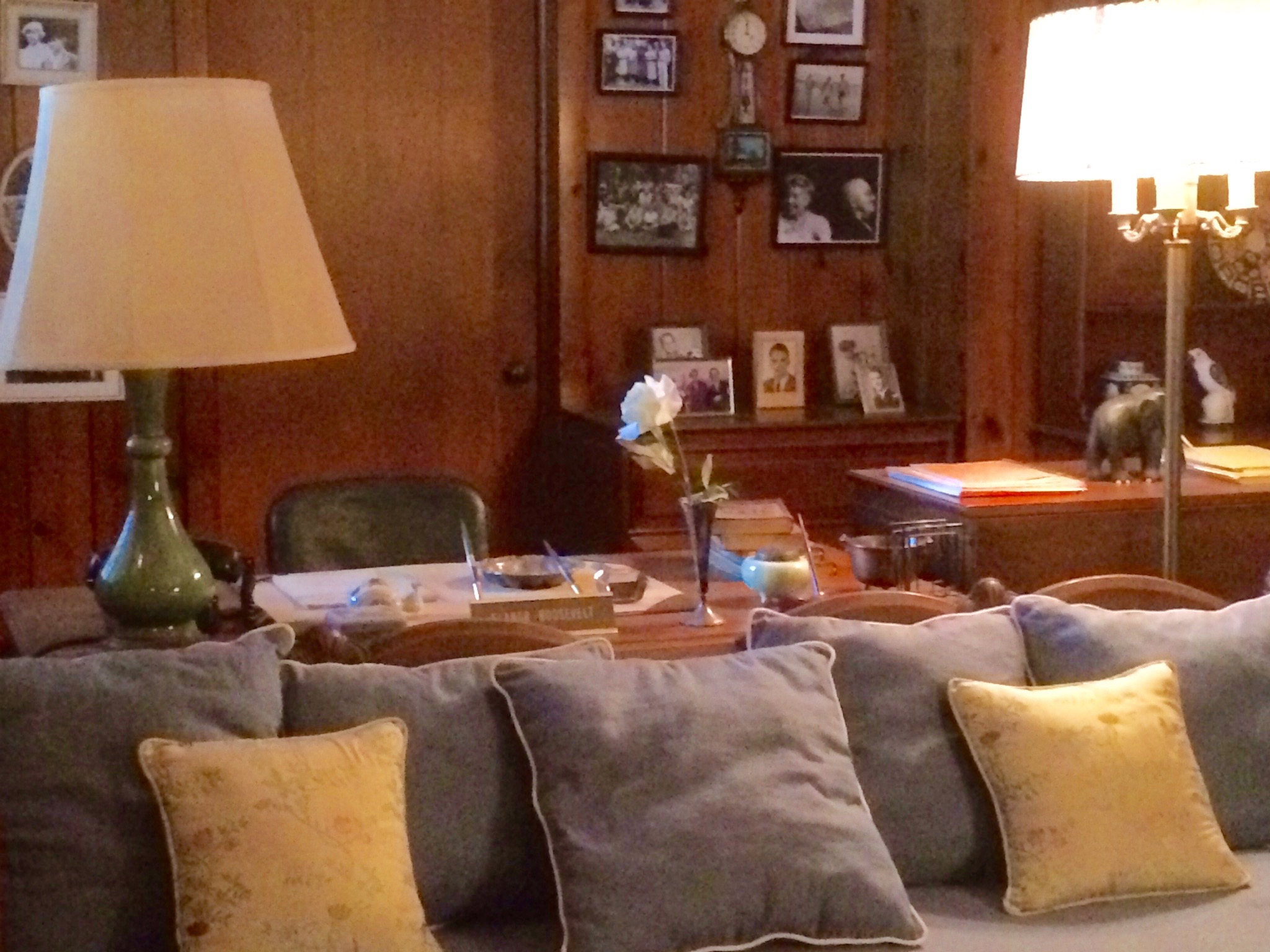
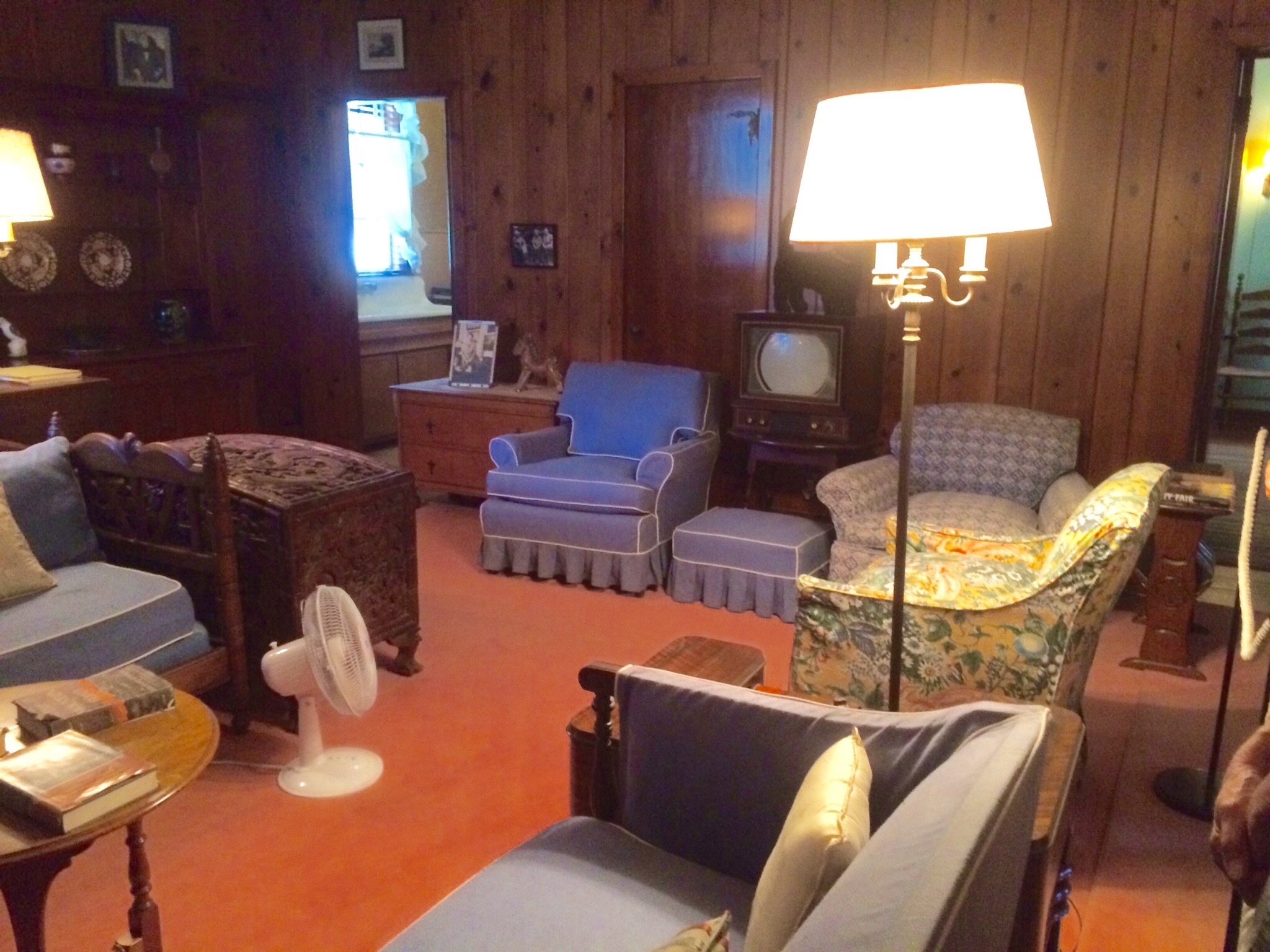
The factory lasted for a few years, but when it was necessary to shut it down, Eleanor converted the factory portion into living quarters for herself, and it was here that at last she was able to create a home of her own. It is a simple home, and many of the rooms remind me of those of my own grandmothers’ cottages. Nothing matches; Eleanor Roosevelt felt that her friends weren’t all of one size, so why should her furniture be. It’s a versatile home, with many small cozy sitting areas. You get the feeling that conversation, not ceremony, was the most important thing in her life. She also decorated her walls primarily with photographs, or with paintings of people she cared for. Her dining room is covered with Christmas cards from the White House staff.

IMG_0006

Eleanor Roosevelt’s Desk, where she wrote hundreds of her “My Day” columns, wrote speeches, books and correspondence.

IMG_0007

Dining Room — often set buffet style because it was difficult to know how many people might be coming to eat. ER was notorious for running into town for an errand, and inviting many of the people that she met there to come over for dinner. She had a very patient and devoted cook.

IMG_0023 IMG_0019

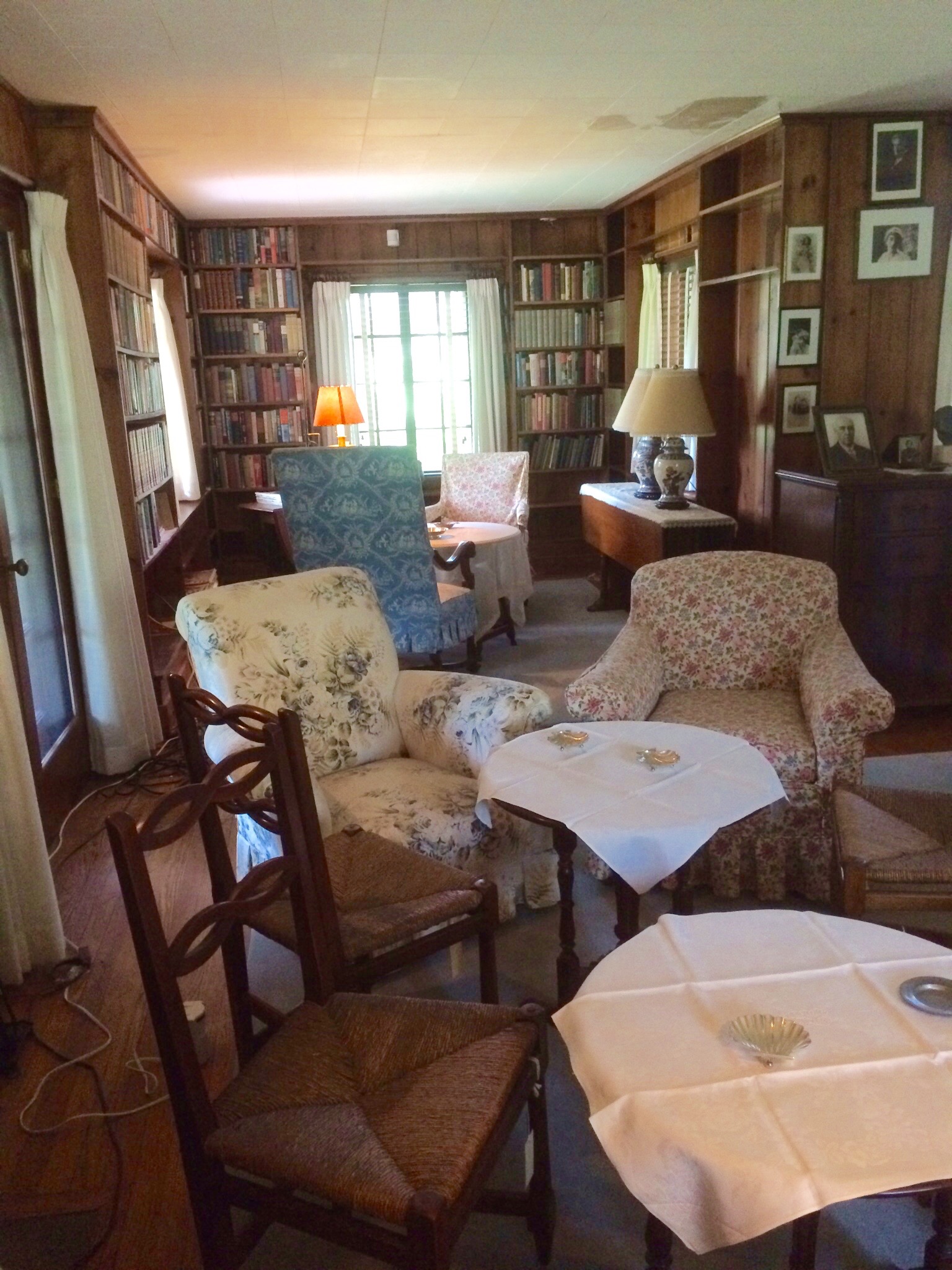
The most impressive moment of this tour came when the guide pointed to the two chairs at the far end of the sitting room below. (Note the blue and pink chairs sitting by the lamp with the orange shade.) It was at that table that John Kennedy met with Eleanor Roosevelt in 1960 to ask for her support with his Presidential campaign. She held out until he agreed to take a more aggressive position regarding civil rights. Even though neither lived to see it happen, it was the beginning of Presidential involvement in ultimately achieving civil rights. There was a thrilling sense in the entire house of the history that was made by this remarkable woman and how much it contributed to all she achieved.

IMG_0026

     er_jfk1960_t