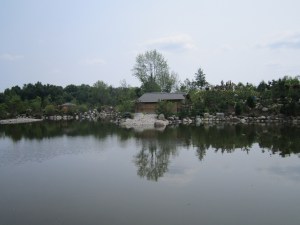
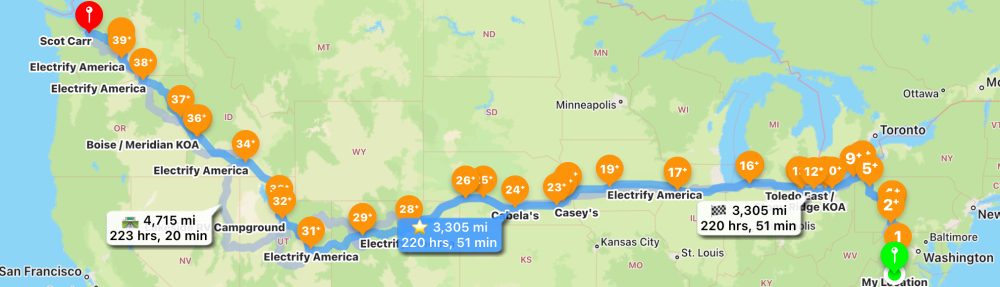
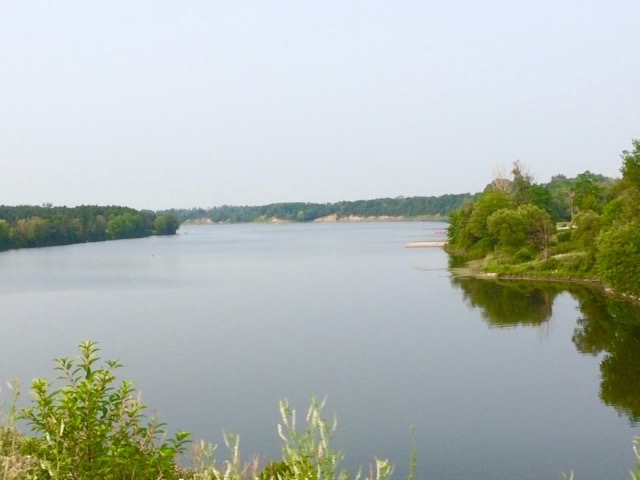
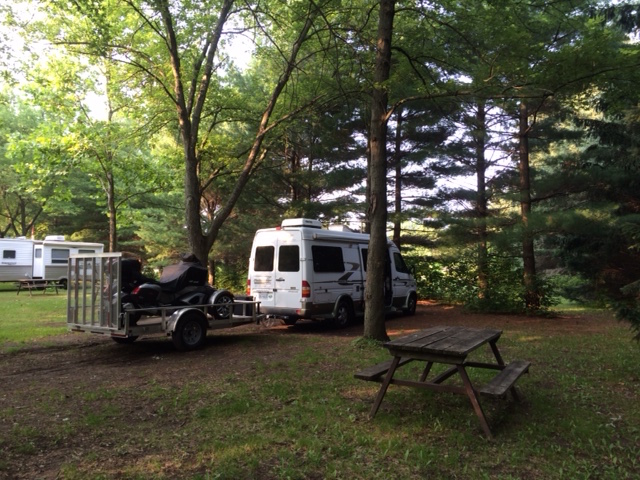
Sunday was primarily a travel day to traverse Michigan from Grand Rapids to Port Huron, cross the border into Canada at Sarnia, and then make our way to London. The border crossing was thankfully a non-event. With the high terrorist alerts because of the Fourth of July holiday, we weren’t certain what we would face, but a normal crawl in a queue of about 20 cars wasn’t bad, and the customs agent deemed us admittable in record time. By 5 p,m we were in London, passing over the winding Thames River any number of times. We drove through the University of Western Ontario, explored the Doentown and then settled into a charming secluded campsite at the Fanshawe Conservation Area, situated on Fanshawe Lake.
Author Archives: caroltracycarr
Grand Grand Rapids
Grand Rapids is a great city becoming grander all the time. With major support from wealthy families such as the Meijers and the De Vos, the city has become a major medical center for western Michigan as well as a remarkable number of tourist attractions, including the Grand Rapids Art Museum and the Meijer Gardens which we took in on our free day in GR.
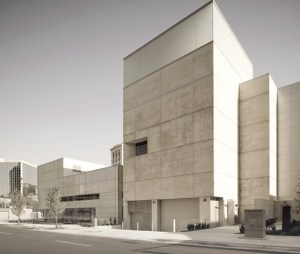
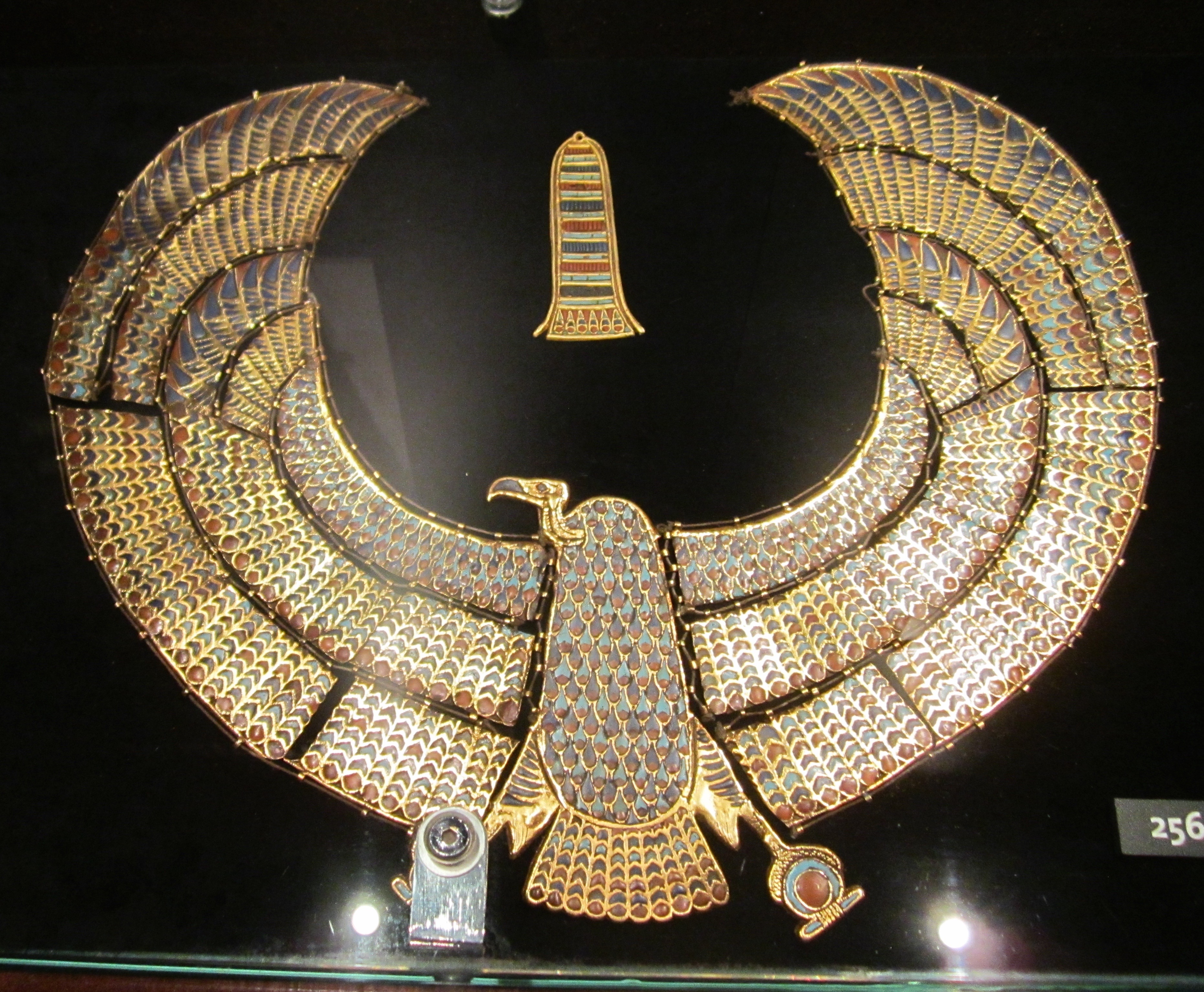
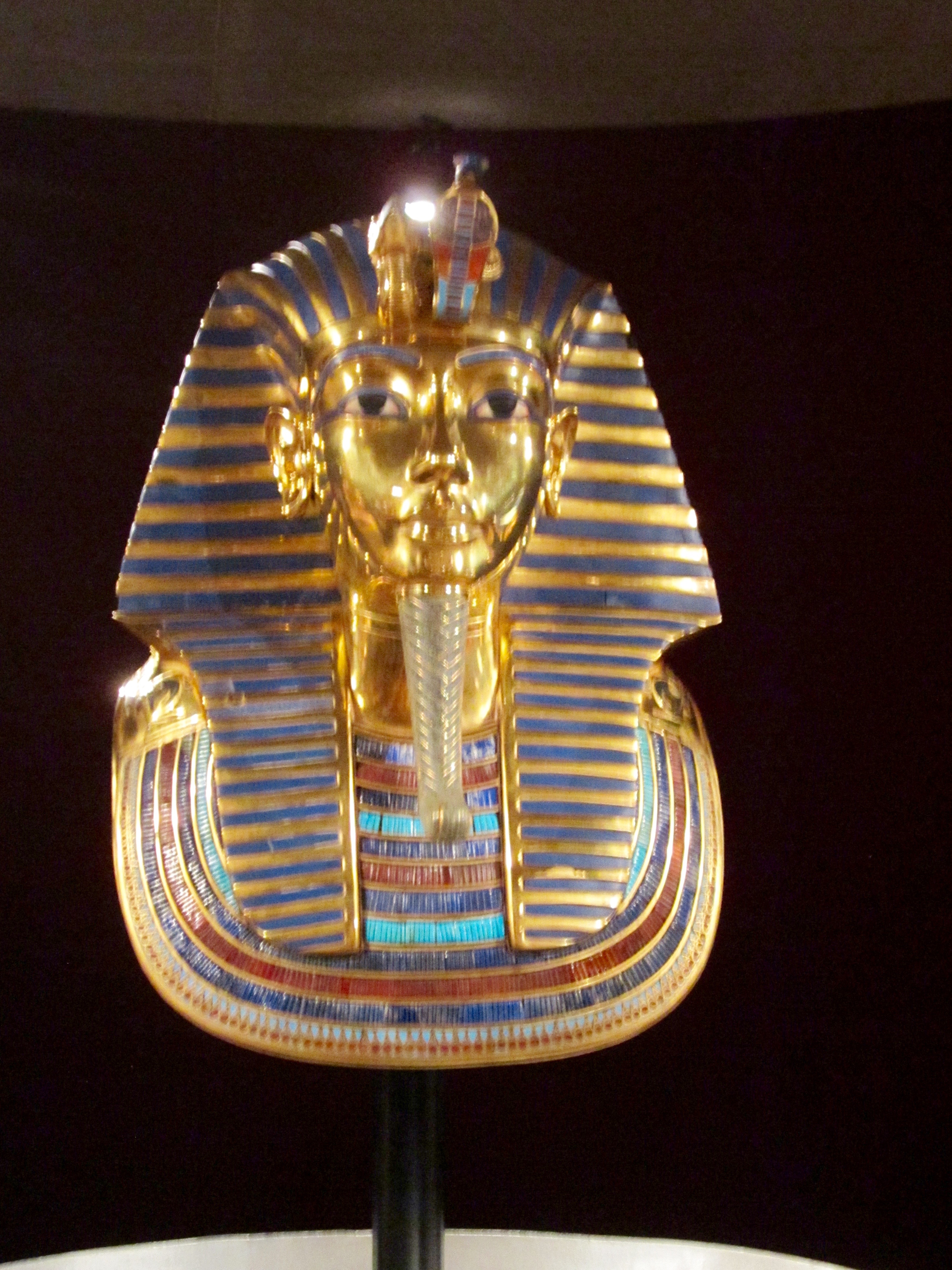
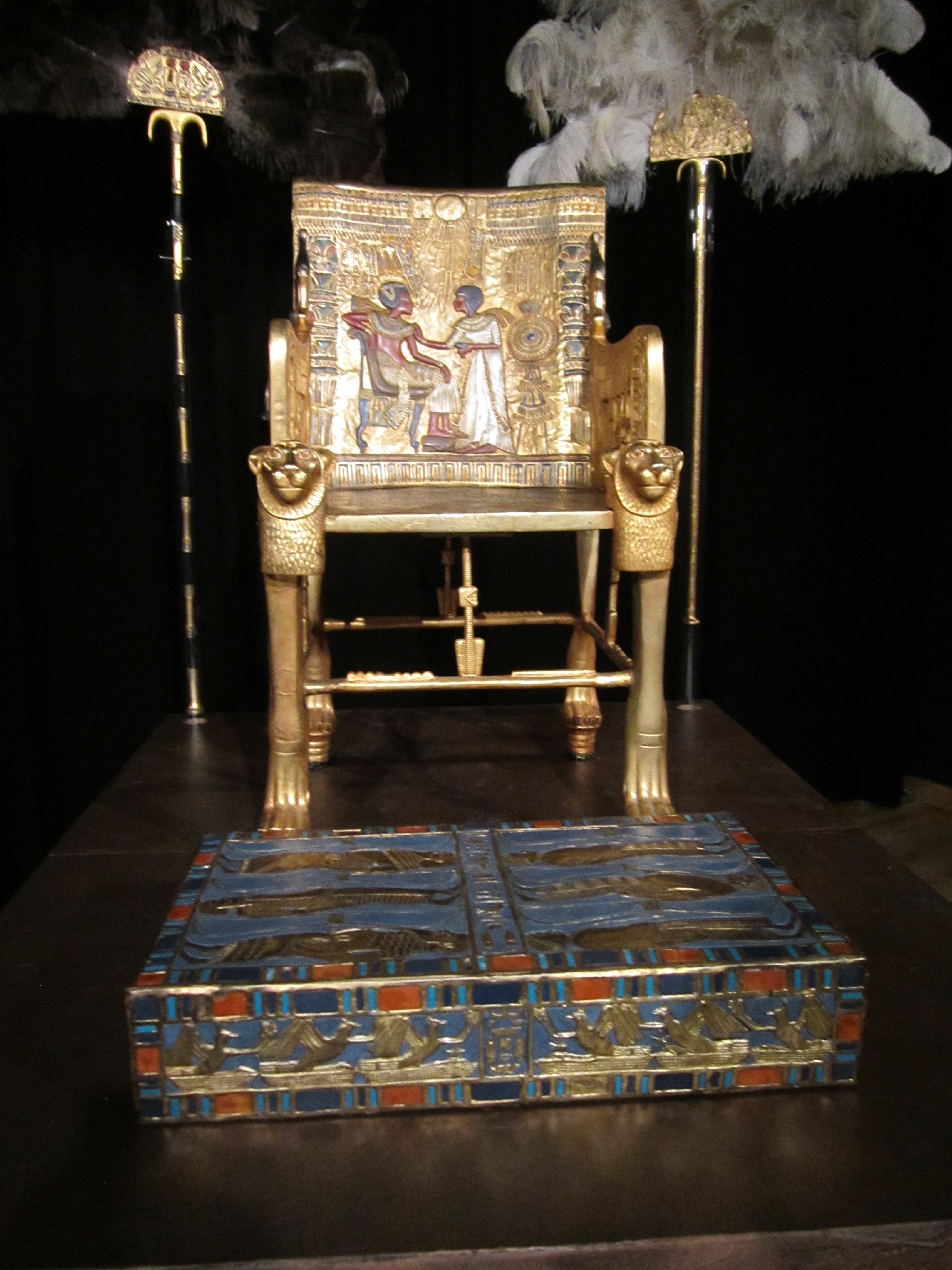
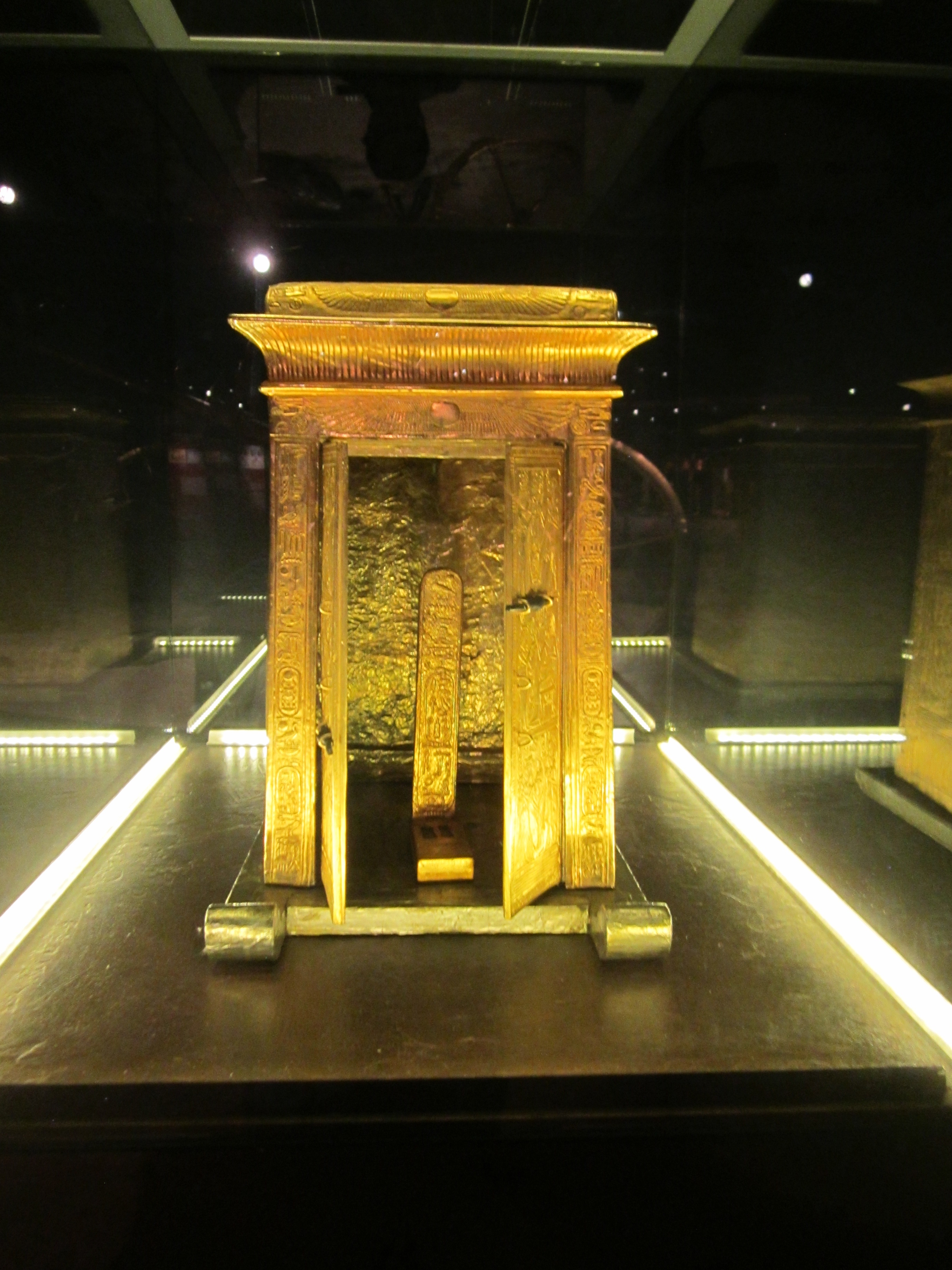
The Discovery of King Tut Exhibit was showing at the art museum, an exhibit focused on the story of how the tomb was found, and how the treasures were excavated. It was funded by Lord Carnarvon, who gave much if his fortune and, some would argue, his life to the project. When his canary was eaten by a cobra when the tomb was opened, the Egyptians believed there was a curse on the project and many refused to continue. Lord C wasn’t a believer, but he died from an infected mosquito bite at the age of 57. (No, I am not making this up; truth is always stranger than fiction.)
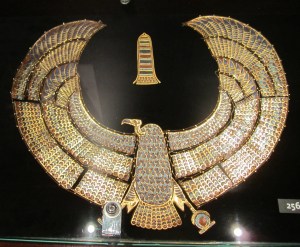
We saw GOLD. In statues, jewelry, funeral temples, caskets, caskets within caskets; if they could build it, they covered it with gold. The artisan’s craftsmanship was exquisite and imaginative, and sometimes very contemporary in appearance. And if you’re interested in how a body is mummified, there’s a video you can watch too. Though the majority of artifacts were reproductions, this exhibit still brings to life an era thousands of years old. If I lived in GR I’d visit at least once more to catch more of the details.
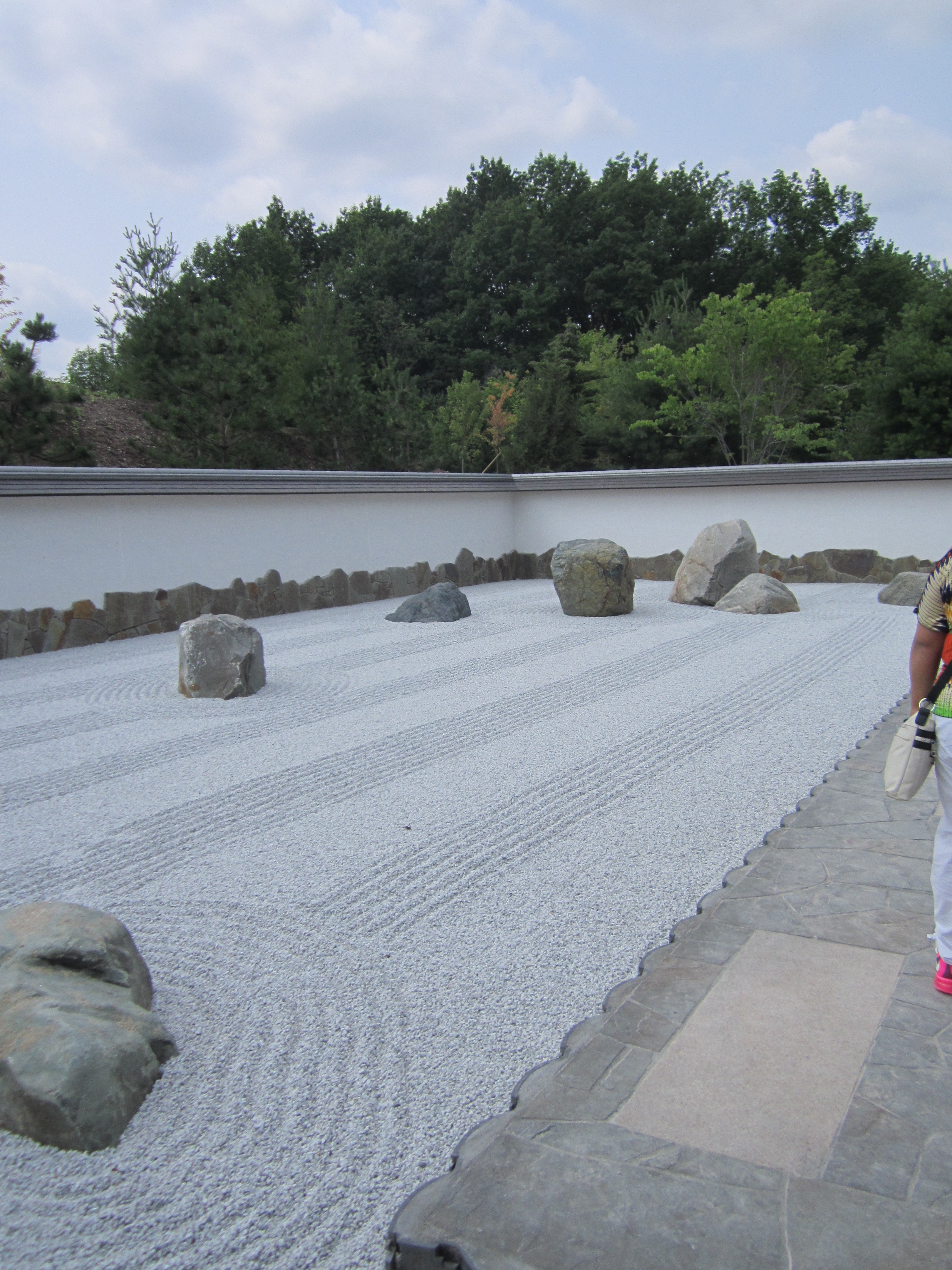
The Frederik Meijer Gardens and Sculpture Park is a 132 acre park that has been named one of the top “30 Must-See Museums.” In 1995, Frederik and Lena Meijers donated the land and their entire outdoor sculpture collection to establish a botanical garden and conservatory.
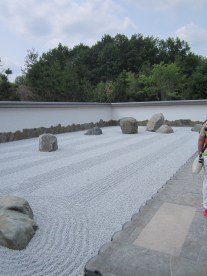
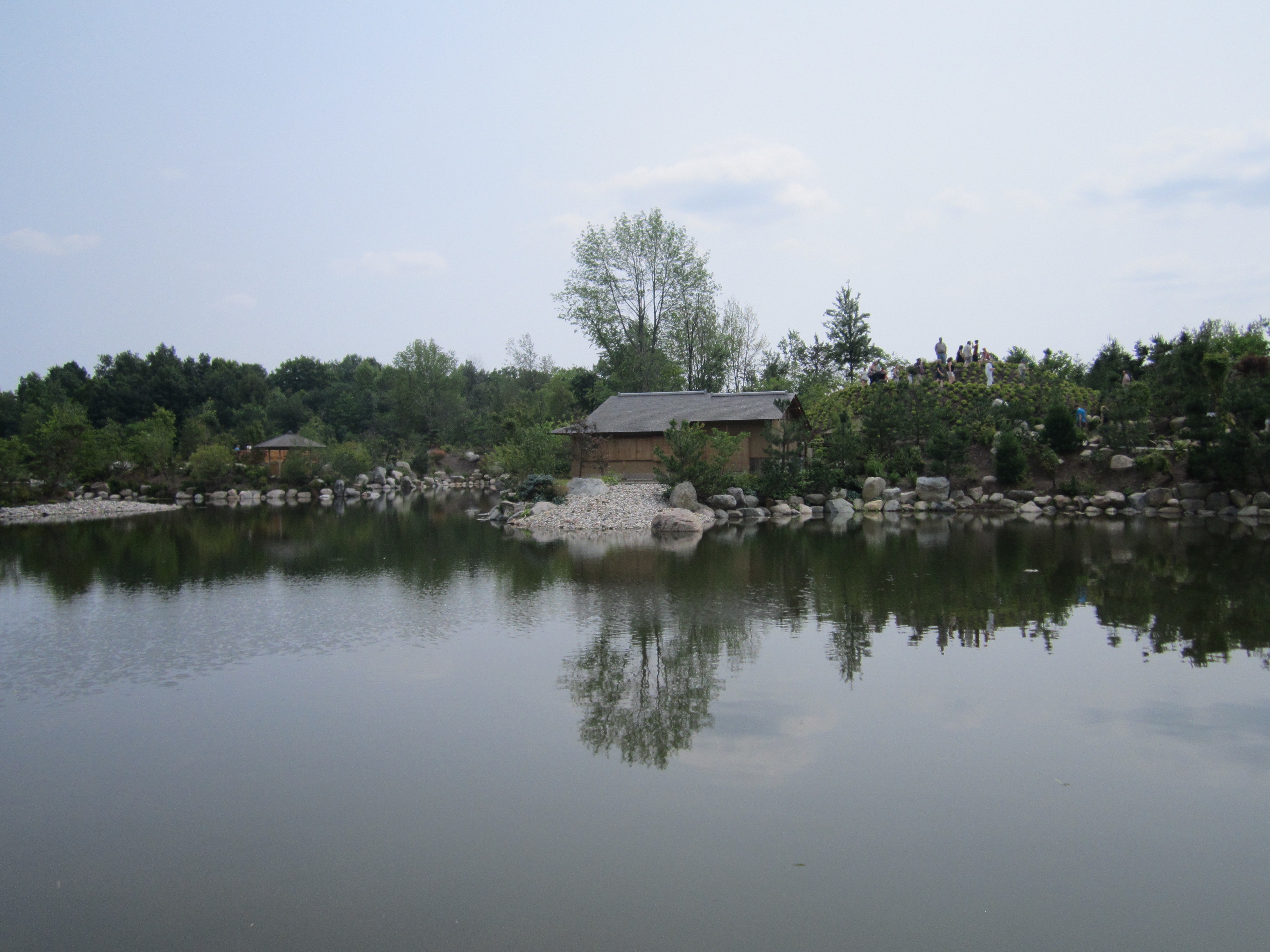
Trams drive throughout the park which contains waterfalls, seasonal plantings, and many unusual trees and shrubs, all peppered with unique bigger than life sculptures. The most notable is Leonardo Da Vinci American Horse, built from the plans of Leonardo Da Vinci by Nina Akuma. Everyone has to have their photograph taken at least once standing beneath it. But our destination this time was the newest addition to Meijer Gardens, the Japanese Gardens. Just opened a few months ago, it is a huge installation of winding paths centered around a lake, replete with koi and lily pads fed by a lovely waterfall. Though crowded, it still had an aura of tranquility that was hard to leave behind.
Our other stop was the Downtown Market, a fabulous indoor market with dozens of merchants selling baked goods, candies, meats and seafood, cheeses, sushi and anything else edible. We gravitated to The Spice Merchant where I picked up some favorites, some “designer” olive oils (coconut and cherry flavored balsamic oil), and of course some fresh seeded baquettes (still warm.)
Unsung Lansing
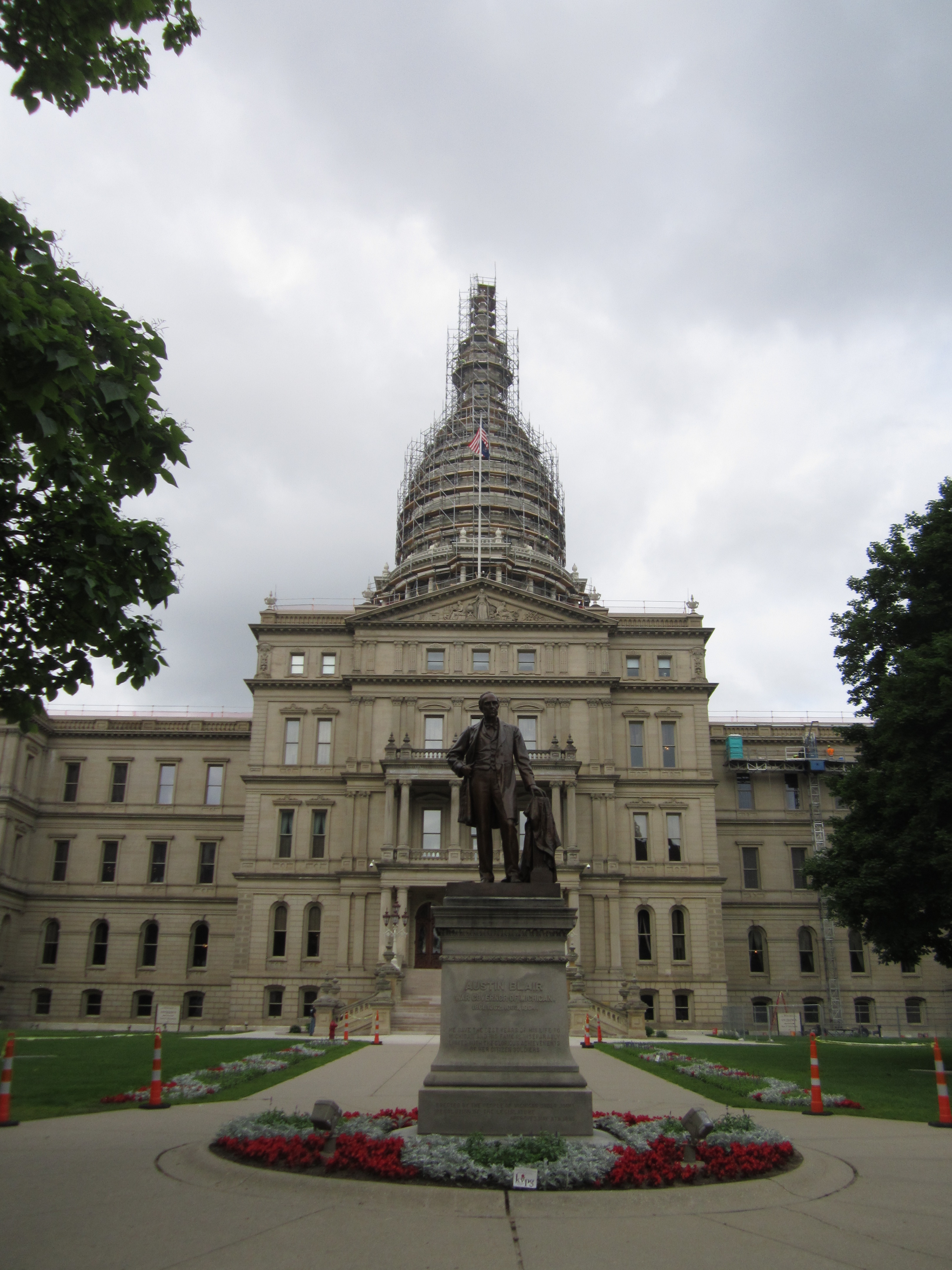
Lansing was an unusual choice for the capitol when the decision was made by the legislature to move it from Detroit to a more central location. For one thing, it’s hard to determine what is “central” in a state shaped like Michigan. It appears they more or less discarded the Upper Peninsula in the determination and made the population rather than land mass the predominant factor. There wasn’t much to Lansing before the Capitol moved in, and even today its business is primarily the government of Michigan. Most people consider Lansing a “non-destination” in Michigan, with so many other great aspects of Michigan to enjoy. However, we found it had several hidden treasures.
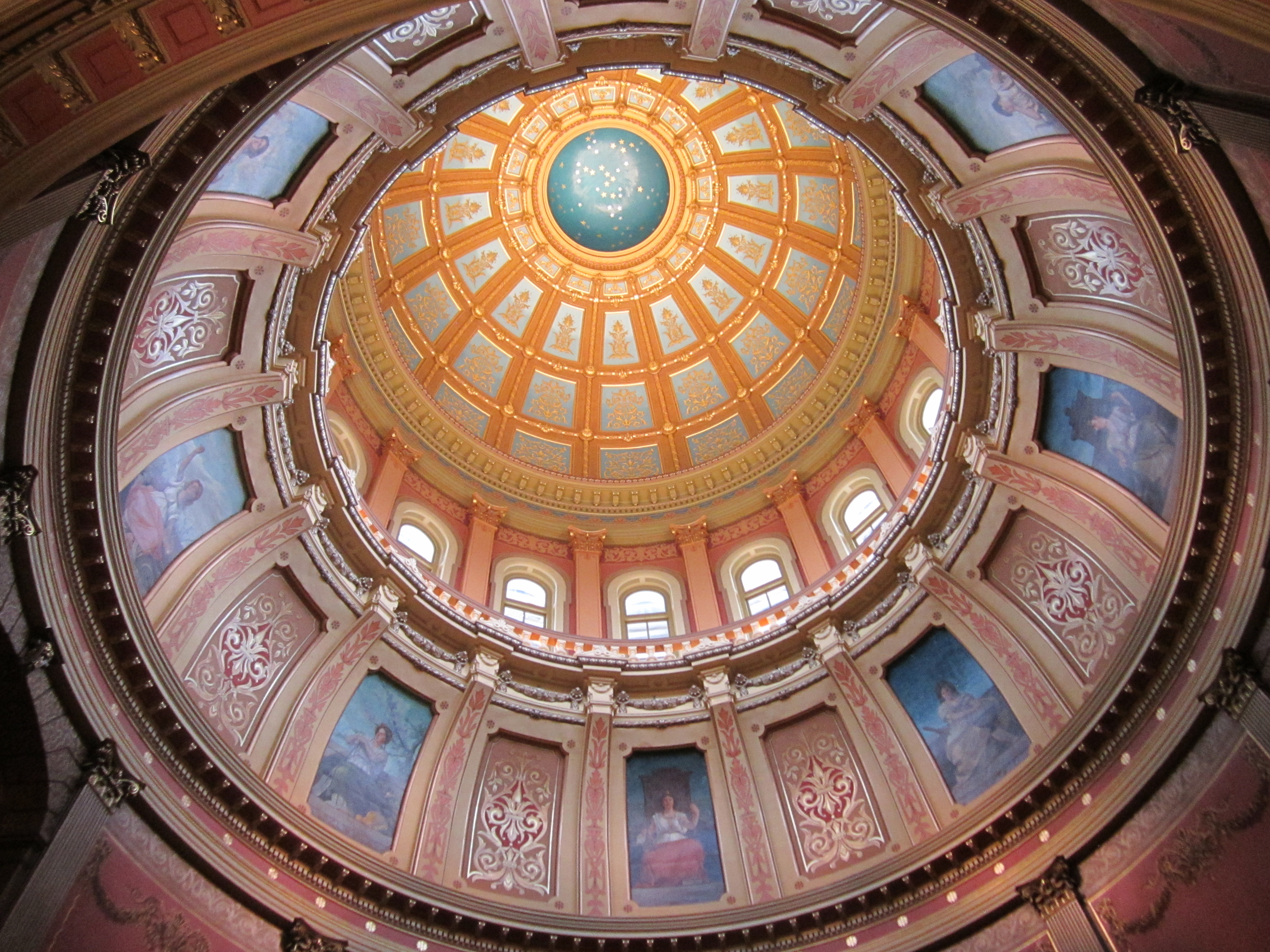
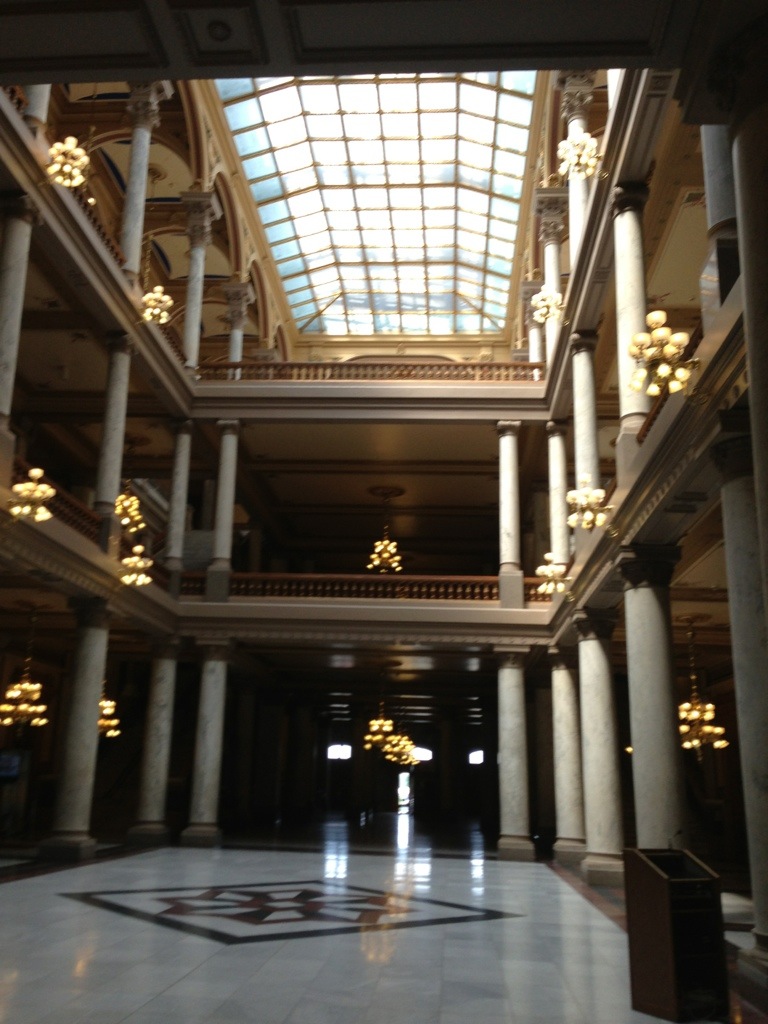
The building we toured was the third Capitol of Michigan; it was built in 1879, and its builders indulged in all the Victorian decorative splendor of the era. A little over a hundred years later, it was worn and shabby, and discussions began whether to tear it down and replace it with something modern or to renovate it. It took only one corridor being restored to its original Victorian deco (and likely a hard look at the comparative costs) for the decision to be made. The Capitol you see today is as close as possible to the 1879 original, while still providing for modern elements like air conditioning and electronics. Like most capitols, it draws primarily from the state’s resources for building materials, in Michigan’s case, wood. However, Michigan pine has been stained and painted to mimic both walnut and marble and look remarkable real.
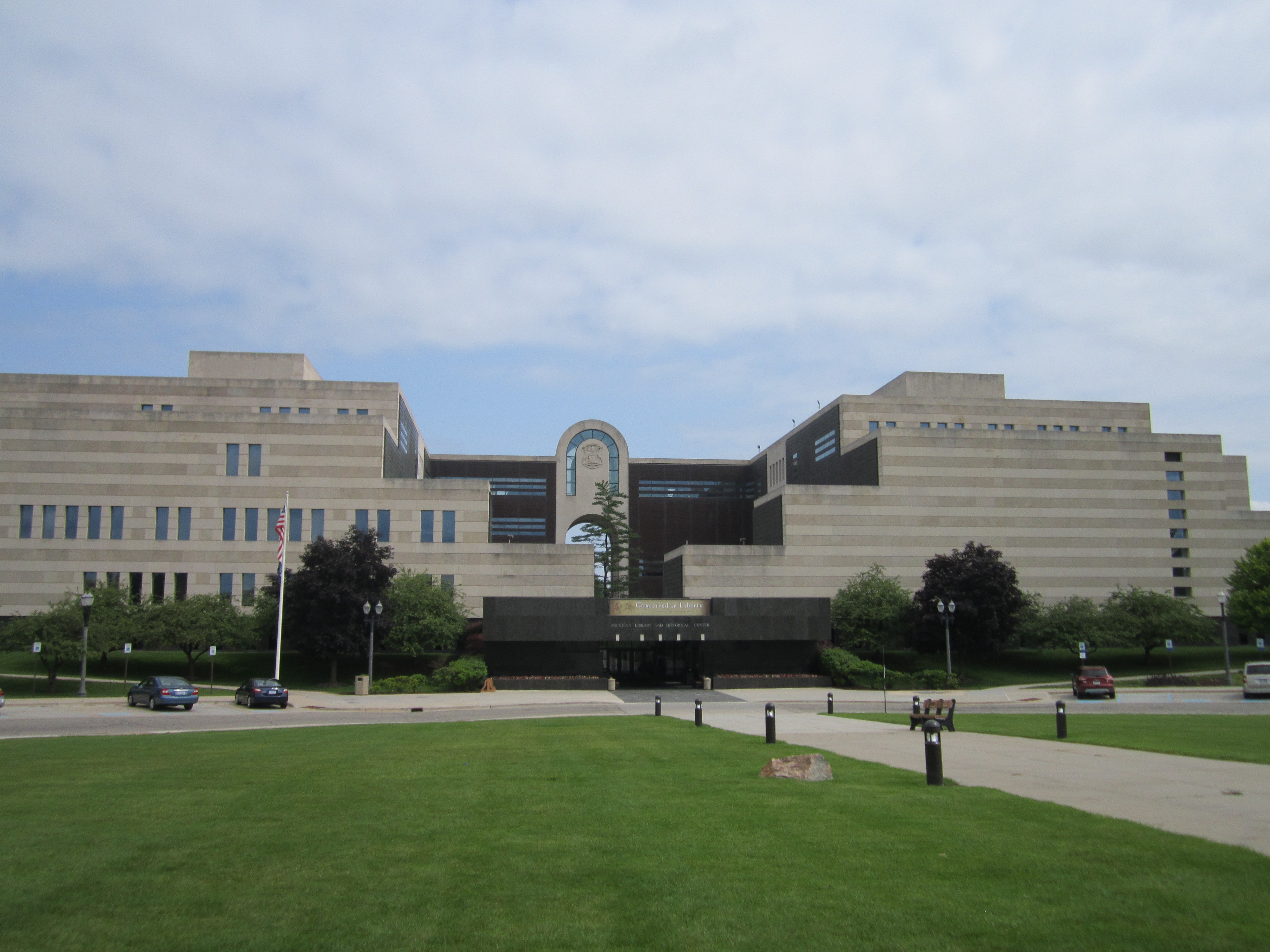
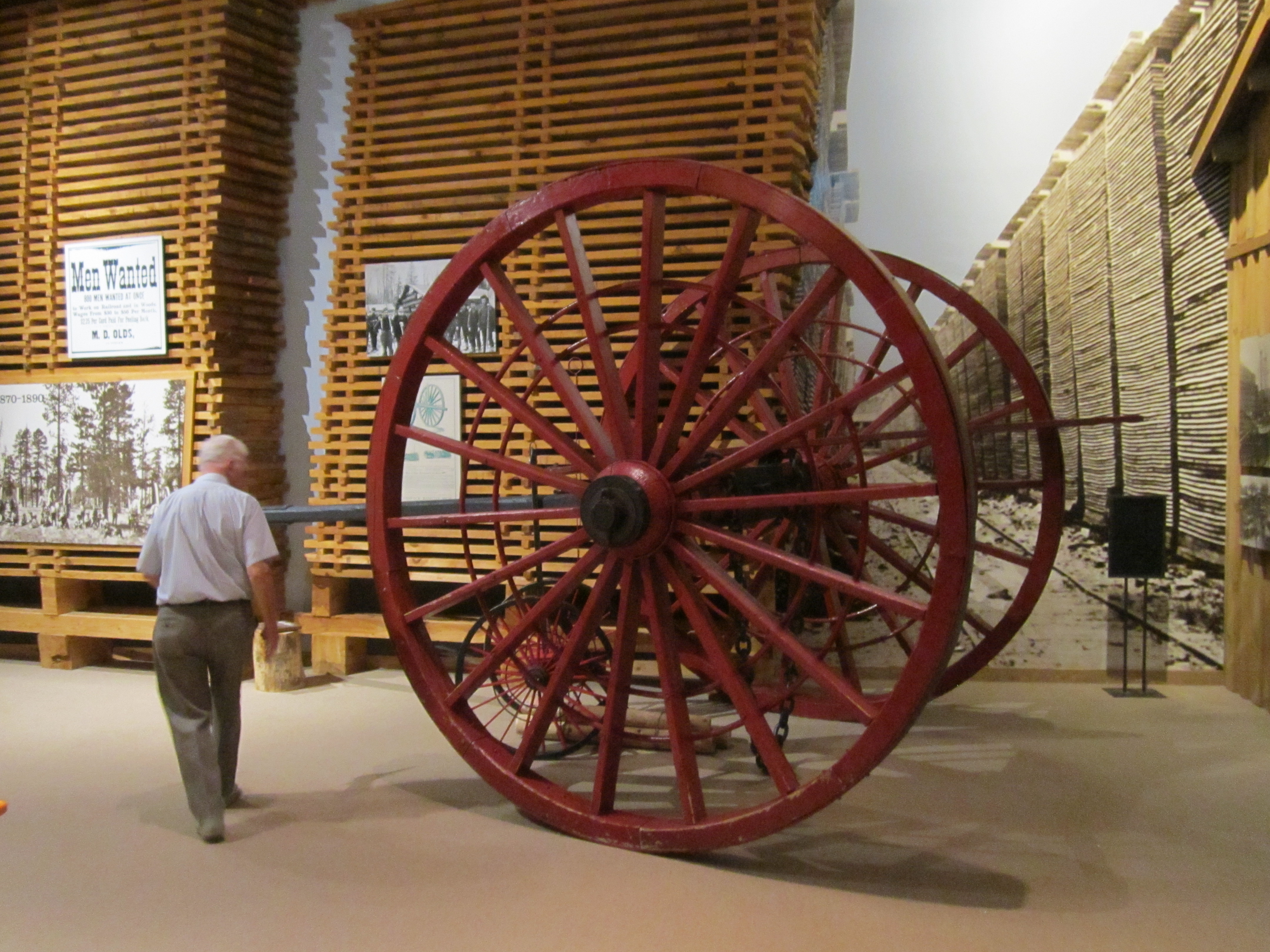
Next we toured the State Historical Museum, a massive building filled with artifacts ranging Native American history (lots of pelts from fur-trading times) to all the marvels of the automotive era.
We enjoyed an excellent exhibit of the Civil War from the Michigan perspective; while many Michigan troops engaged in battle, Michigan’s principal contribution was its engineering expertise for the quick construction of pontoon bridges, roads, forts, and railroads. Mining displays also detailed the live of the miners who brought the copper, iron and salt out of the earth into the economy. There was way too much to take it in in one day; definitely this museum is worth a return trip.
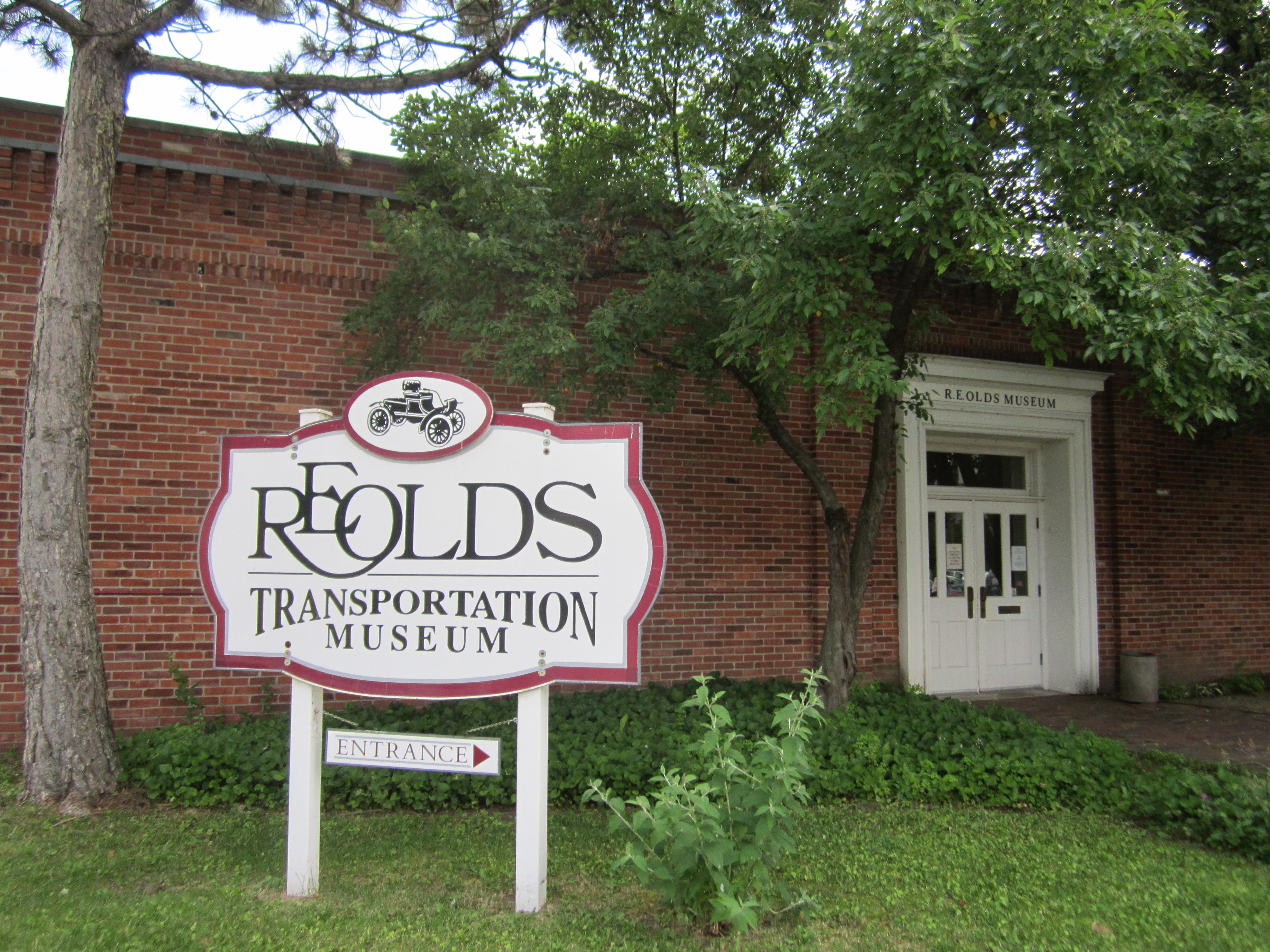
Finally, we couldn’t go through Lansing without taking in the R.E. Olds Museum, which is a kind of home-grown family museum dedicated to one man and his automotive creations. Ransom Olds originally designed stationary engines, and in the early 1900’s began designing trucks and then cars under the brand REO and the Curved Dash Oldsmobile. Eventually his company became part of General Motors and his original designs continued to be develop into the Oldsmobile line. This tiny museum is packed with several hundred vehicles of nearly every year of the REOs and the Oldsmobile. It is also peppered with little video stations where you can learn about all the many facets of R.E. Olds, a man who enjoyed his work, but enjoyed his time with family and friends even more. He and his wife Ursula were also major philanthropists in the Lansing area.
Traversing an Ocean of Land
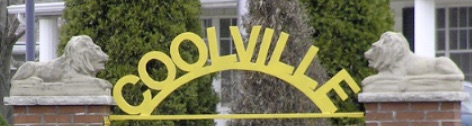
First, the answer to the last post’s question (How cool is Coolville?) is “very.” So cool that we were inspired to buy a new comforter the next day to pick up the slack for the much thin fleece blanket we brought along. What were we thinking? Now we’re now properly armed for the even cooler Canadian nights in our future.
When I was a child living in Detroit, I felt that I lived in the middle of a dull ocean of land that needed to be traversed to get anyplace interesting. It didn’t matter which direction we were headed; there was this long period of watching flat, boring land pass by before we got to the good stuff. It took years of traveling the route from Detroit to Virginia to begin to appreciate the beauty of the land in southern Michigan and the bulk of Ohio. The major change took place when I had taken up some serious vegetable gardening in my own backyard and learned firsthand how much tending a little plot can require. I then viewed with awe the scope of the farmland that produces so much corn, soybeans and other crops. When I now travel the Ohio Turnpike, or come across diagonally as we did this time through thousands and thousands of cultivated acres, I see the hard labors of thousands of farmers and their ingenuity at making their land maximally productive. It’s pretty awesome what an enterprising farmer and the rich soil of a state like Ohio can achieve.
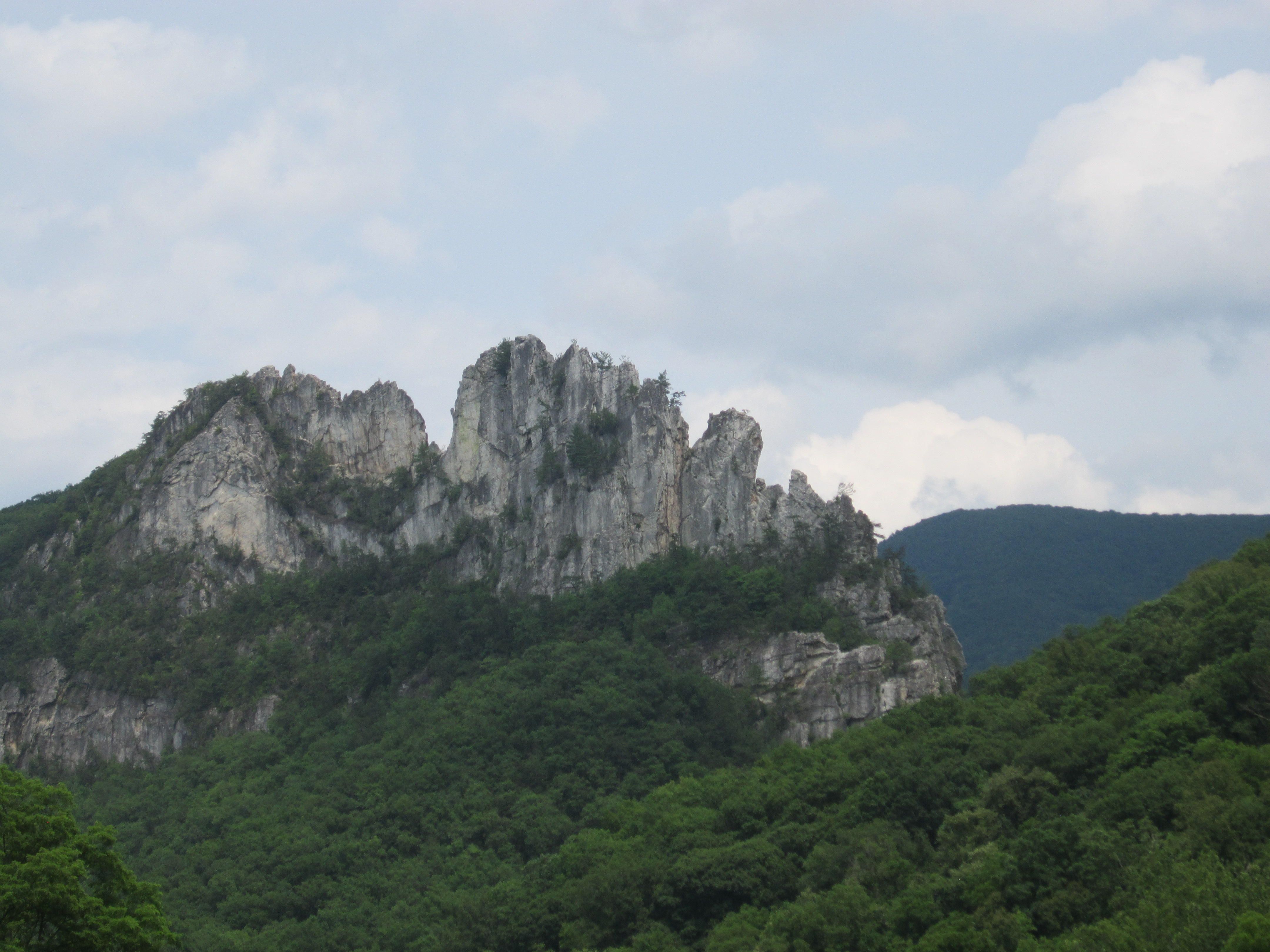
But photos of thousand of acres of farmland is less than exciting, so I will spare you. We did see a few spectacular sights during our last two days of steady driving to the Midwest. Seneca Rocks in West Virginia is a favorite site for rock climbers, in particular from the DC area.
We also drove by the State House in Columbus, Ohio, but found the parking impossible for the kind of rig we had. So we waved and promised ourselves we stop by another time when we weren’t encumbered with so many vehicles.
And on our way out of town, we drove through Ohio State University, a HUGE campus that spreads throughout the city. Like most research institutions, it is filled with many large research laboratories that have an industrial feeling about them, but the warm brown brick exteriors are in sync with the charm of the rest of Columbus.
How Cool is Coolville?
We’re packed, RV full of our gear and trailer full of motorcycle and all its necessary gear, and tomorrow we’re on our way to cool Coolville in the southeast corner of Ohio. It may well be the smallest town I’ve ever stayed in–population of 496 as of 2010. Unless they’ve had a major baby boom in the past five years (and there’ve been some pretty cold winters in Ohio recently), I think it’s likely that the people leaving Coolville one way or another likely balance out those making it their new home. For a few hours we’ll make it 498.
There is some logic to the name. The town was platted by Simeon W. Cooley in 1818. By the 1830’s, it contained two stores, a gristmill and a sawmill. and historians have found it notable for being close to three other “hot/cold” communities: Torch, Frost and Snowville. I’ll settle for just being cool, cuddled in a blanket in the back of the RV. Then we’re on our way to Lansing and Grand Rapids and all the major cities of Eastern Canada. This may be our last time to savor the peace and quiet of small town living until we reach Cape Breton. I intend to enjoy it.
2015 Tour of Canada/Tour de Canada
It’s the East that’s calling to us this year, with an itinerary that will include London, Ontario, Toronto, Montreal and Quebec, ending at the far eastern tip of Nova Scotia in Cape Breton. I’m looking forward to the the prospect of lovely French meals, an abundance of fresh seafood, and miles of beautiful landscapes reaching down to the coastlines. Our return will be just as delectable, taking in sites along Maine, Vermont and New York, hitting the Roosevelt highlights of Campobello and Hyde Park, and the military fortresses at Ticonderoga and West Point.
Last But Not Least–Indiana
Our final state capitol was Indianapolis on our penultimate day of travel. Now on a tight time budget, we were fortunate to secure a parking place for our over-sized vehicle directly in front of the capital. Remarkable, considering the challenges we’ve had in other capital cities.
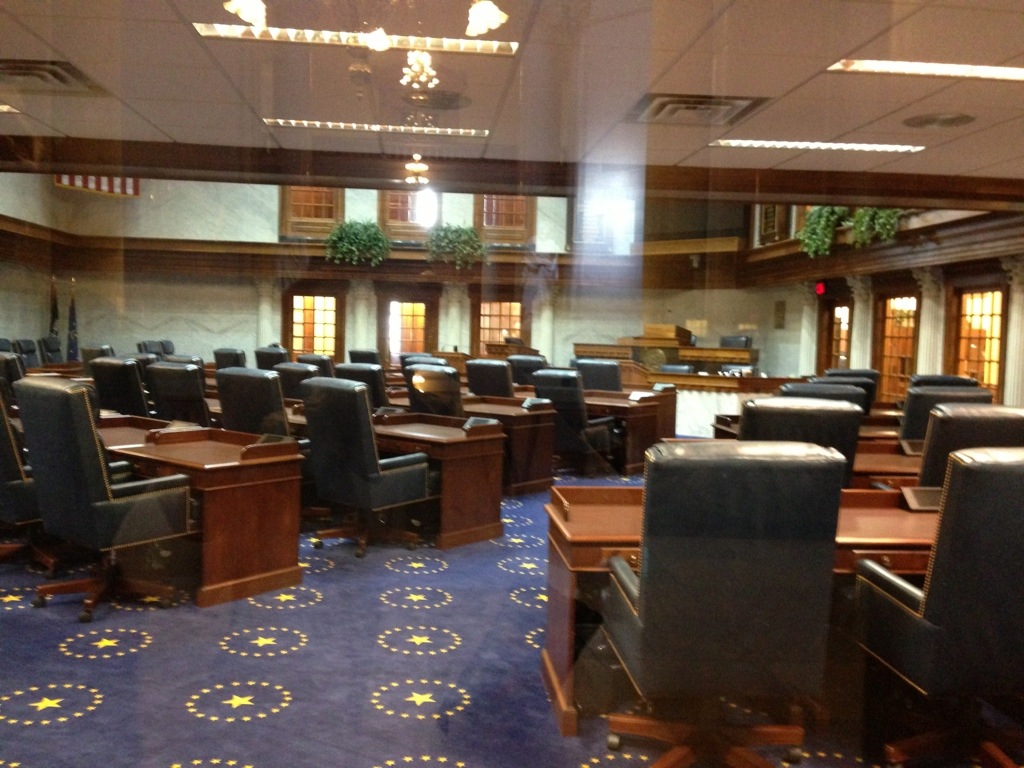
Indiana is a prairie state, a no-nonsense-let’s-get-the-work-of-the-government-done state, and one of the few that had both legislative chambers open to visitors. Security was at a minimum, too, and the guard who greeted us was utterly delighted we had come to visit. What more could you ask?
The halls are elegant in their decoration. There isn’t the slavish homage paid to the Victorian era found in some of the other capitals, but a great appreciation for the beautiful workmanship and materials that was chosen back in the 1800s.
Usually off-limits for visitors, the guard at the Supreme Court chambers opened it up to show us some rare volumes in a showcase next to the judge’s chairs. As I’ve never had the opportunity to stand at a podium facing five Supreme Court justice chairs (thank heavens the justices weren’t seated in them) I stood for a moment just to get the sense and, even in an empty chamber, it was awe-inspiring. Of the rare volumes they had on display, the most interesting was a tiny one from the 18th century that contained the trial and execution documents related to Marie Antoinette. The law librarian couldn’t explain how it happened to be in the capitol, but, to compensate I think, she directed me to another rare volume, the original charter of Pennsylvania that was printed by Benjamin Franklin. Amazing to find out he spelled Pennsylvania as “Pensilvania.”
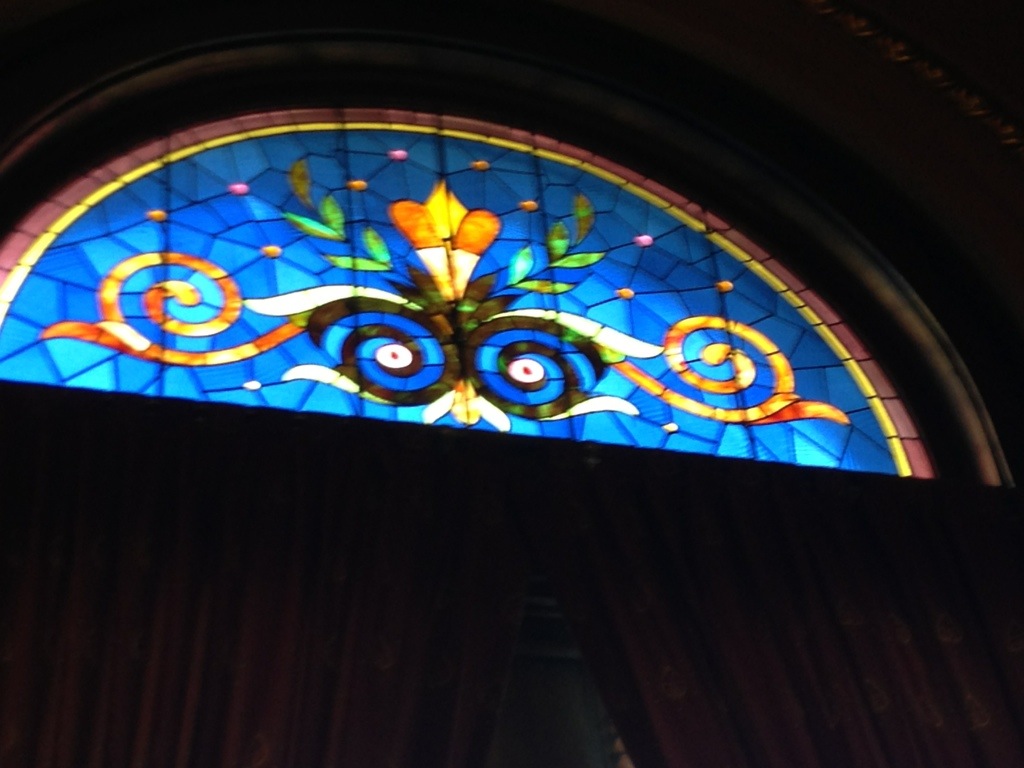
I couldn’t take any photos of the books, but the picture below is of one of the half dozen or so stained glass windows in the Supreme Court chambers.
Lincoln Land
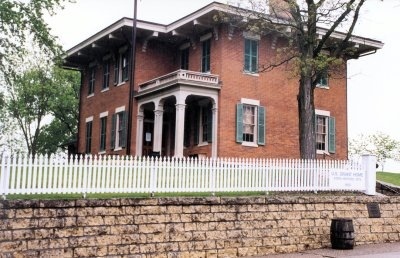
In no other state or city have I seen the recognition and reverence given to a leading citizen as the state of Illinois and the city of Springfield toward Abraham Lincoln. After a brief stop in Galena to see the home of Ulysses S. Grant and the great celebration they make of a place Grant had lived in for only a brief time…
…I should have expected the honor Illinoisans would give their most notable resident. (Not native son–Lincoln was born in Kentucky, but Illinoisans easily overlook that detail.)
Lincoln’s Springfield home, where he lived for 17 years when he was raising his family and practicing law in Springfield is preserved along with a substantial amount of the surrounding neighborhood in a manner that rivals the historical accuracy and charm of Williamsburg, VA.

And you can envision him walking down the few blocks of cobbled streets to the Old State House where he argued in the courts.

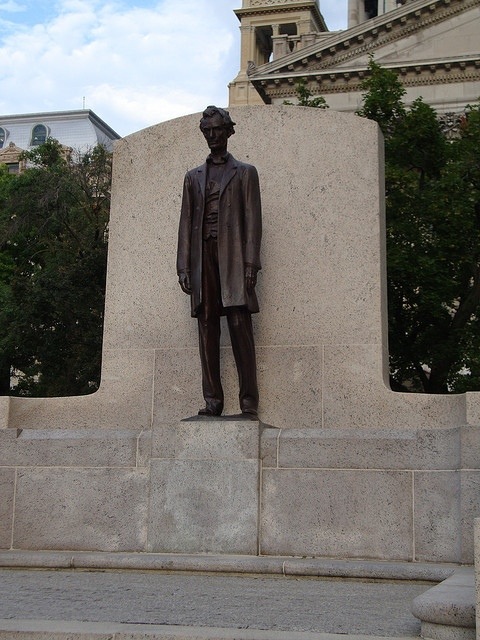
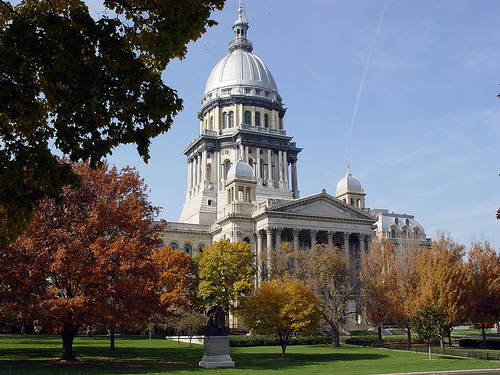
Of course, the Capitol has the most Lincoln statuary, starting with a nearly life size statue of him as a young man found in front of the Capitol entrance. It makes him appear as an ordinary man, accessible to everyone.
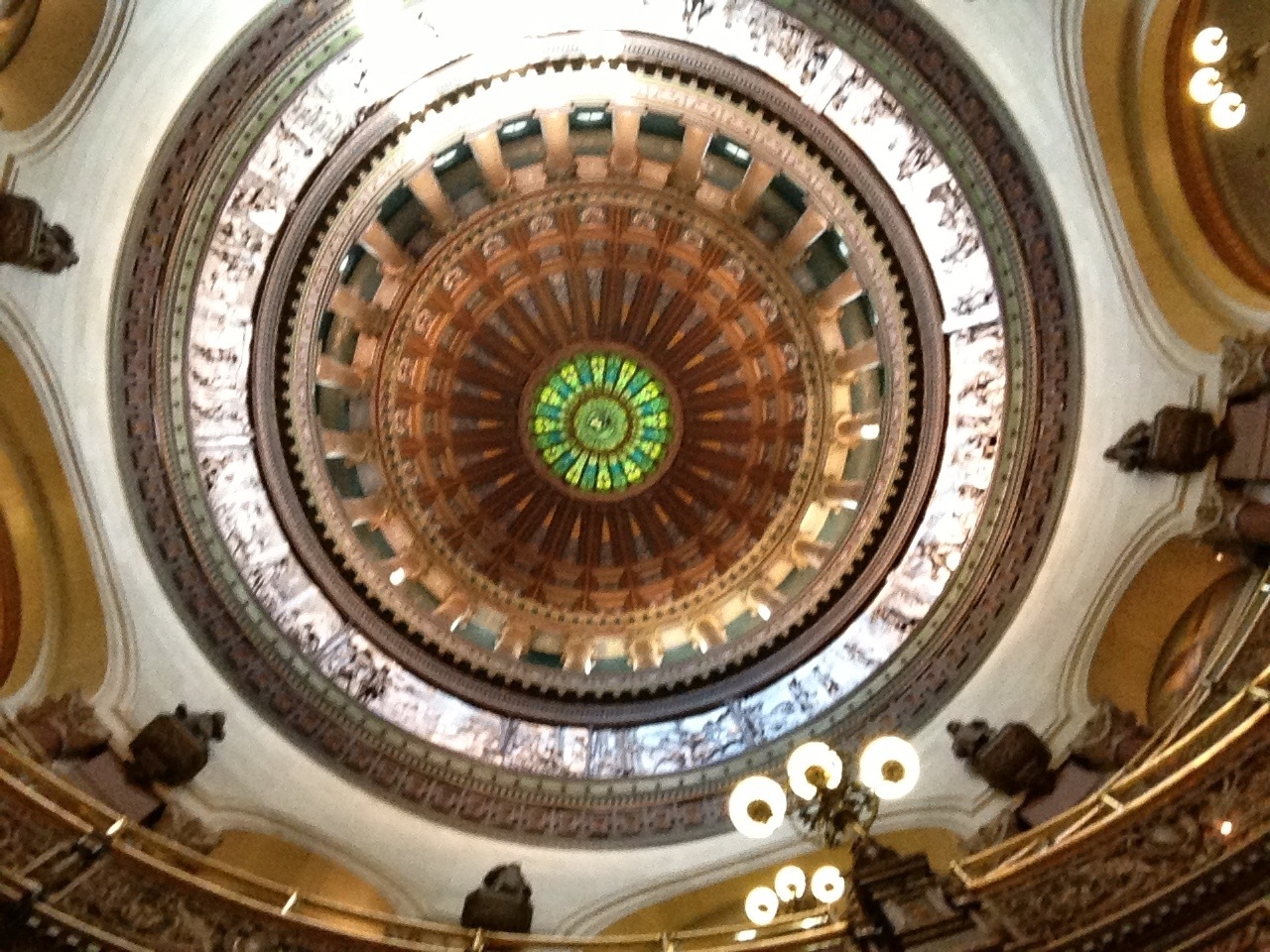
The Capitol is grand within, especially now that one can view the stunning glass dome constructed of 9,000 pieces. In 1886, when it was first built, it was lit with 144 gas lamps. The carbon from the lamps blackened the glass and it wasn’t viewed in its original state until it was cleaned in 1986 for its centennial. In the rotunda, statues of Lincoln and Douglas stand as if perpetually in debate.
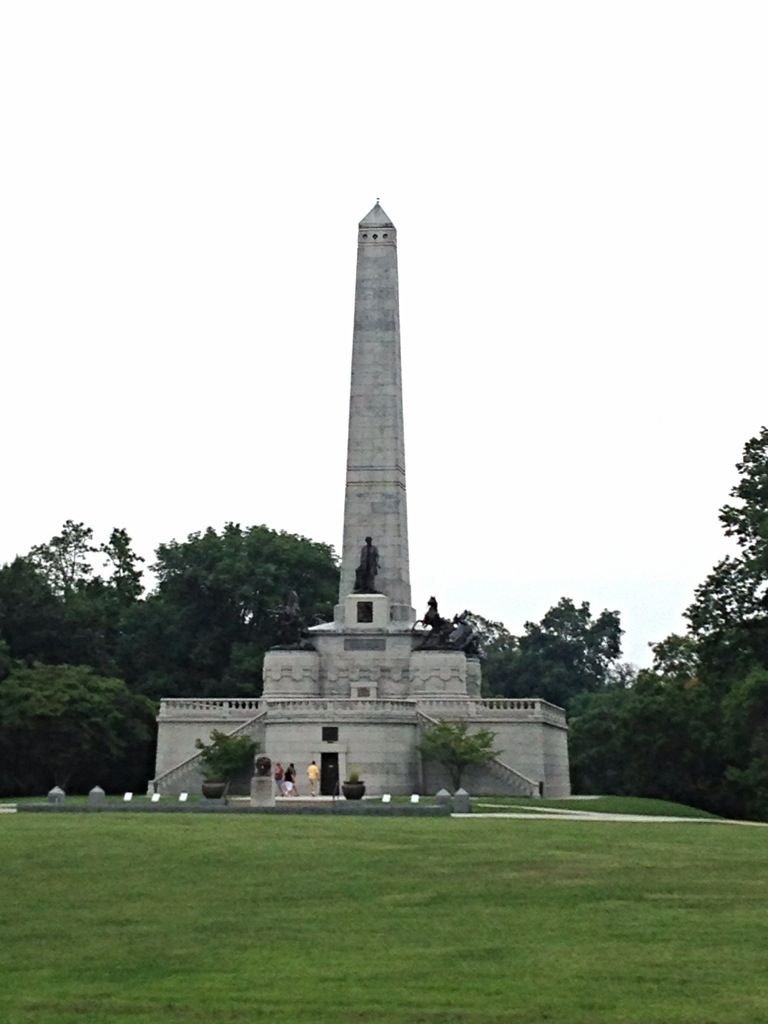
The final honors are found a few miles north of the Capitol at Oak Ridge Cemetery, where Lincoln’s Tomb now holds the bodies of Lincoln, his wife and three of their sons.
Minnesota Capitol
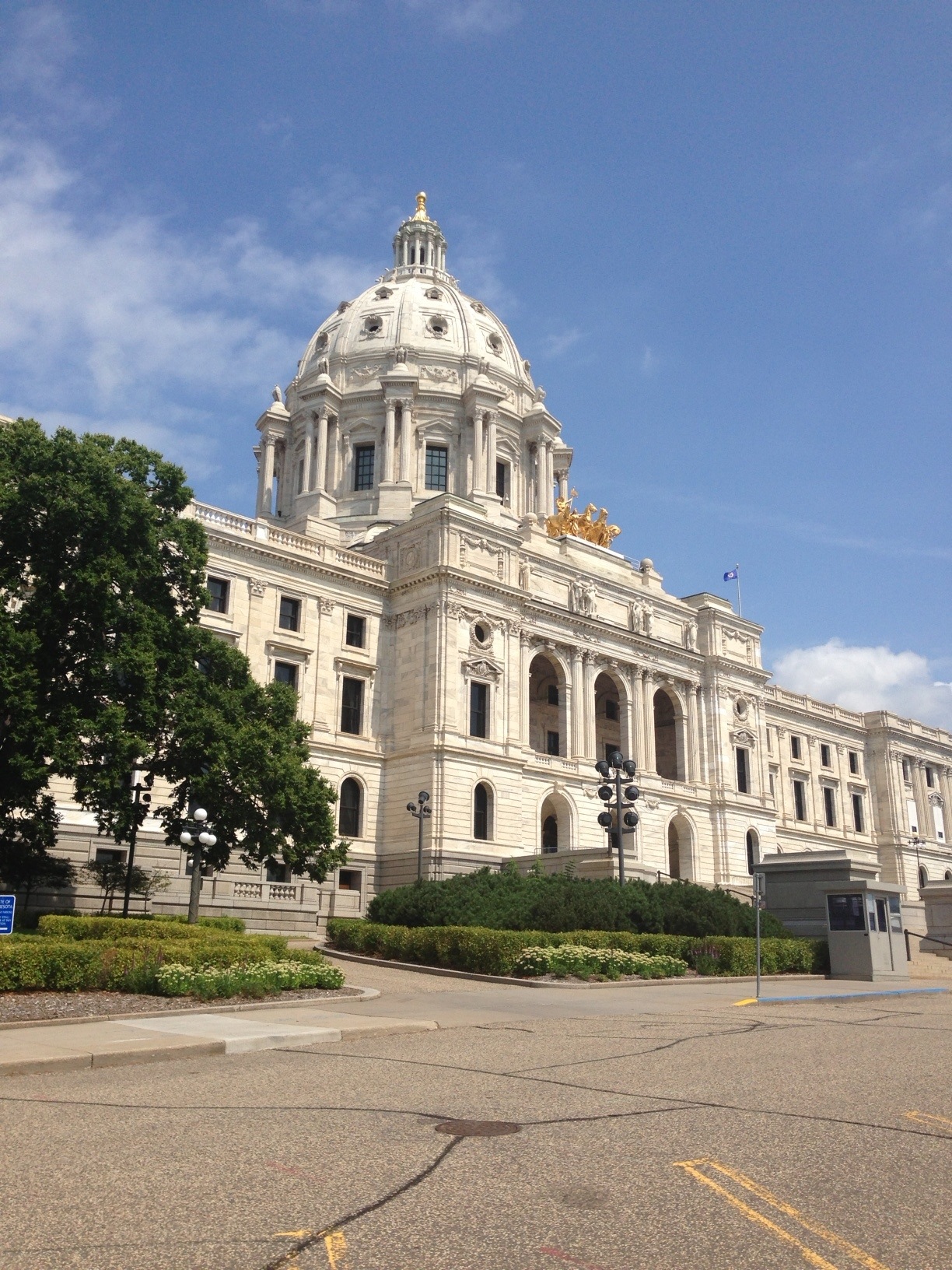
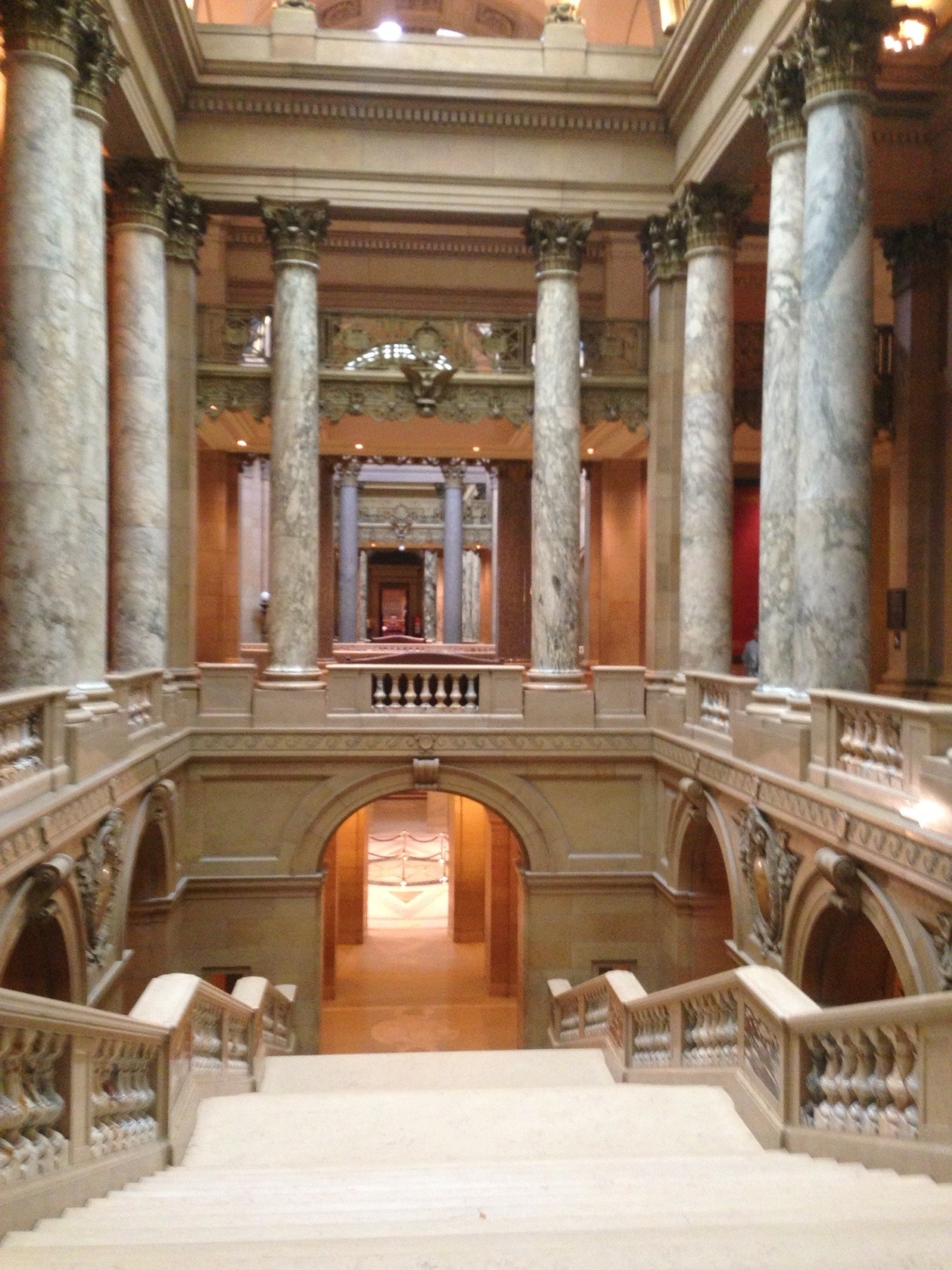
Minnesota’s state capital is a special one. Not just because it is grandly constructed with marble from Italy, France, Egypt, Sicily and Greece, as well as Georgia, Tennessee, and Vermont. Or because it is the only capital building with an inlaid band of pipestone jasper, a stone quarried only in Minnesota and used by the tribes of the Northern Plains Indians for ceremonial pipes. It was special to us because Minnesota was Roger’s home for many years and because Hubert Humphrey is a man we both highly respect and we wanted to see how the people of Minnesota chose to honor him.
Minnesota military heroes dominated the exhibits and statues of the first floor, and we were surprised at how much Minnesotans participated in the Civil War. They were present at Gettysburg where, in one battle, a battalion lost 82% of its men. It was up the beautiful marble staircase to the second floor where the House, Senate and Supreme Court chambers are located that we found a bronze bust of Humphrey, recognizing his many years in Congress representing Minnesota and his years as vice-president.
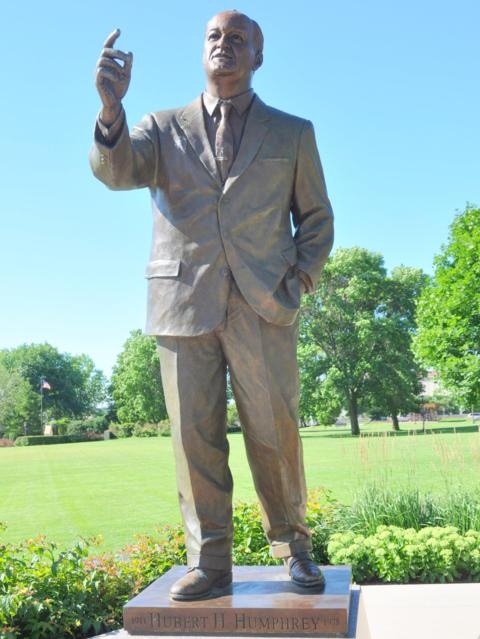
I was disappointed not to find a full statue until we realized that a 7 foot bronze statue of Humphrey had just been dedicated the previous year as a memorial located on the southwest side of Capital Mall. Bill Clinton and Walter Mondale helped dedicate the memorial.
Have You Dug Wall Drug?
Wall Drug is an institution, a Mecca, a South Dakota marvel. If you ask someone if they’ve been to Wall Drug, you get either a blank look of confusion or a gleam in the eye of recognition and a big smile. Wall Drug is Americana at its finest. A Horatio Alger story now well into four generations of a highly successful business and of corporate management within one family that treats its staff as family too.
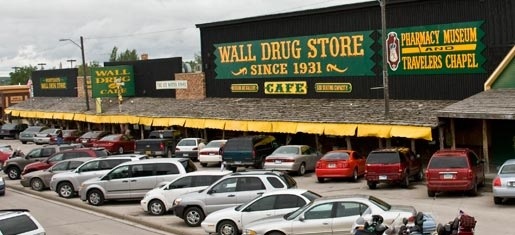
Wall Drug was started in 1931 in the midst of the Depression when Ted and Dorothy Hustead used all of Ted’s $3,000 inheritance to buy a pharmacy in a failing town just north of the Badlands. It had a good school and a Catholic church, and was a good place to raise children. On the downside it was desolate, still reeling from the failing economy of the late 1920s, and in the middle of nowhere, although just a few miles from the highway that carried tourists to the Badlands. They gave themselves five years to make a go of the business. In the summer of the fifth year, business was still too meager to merit continuing.
Then they came up with the idea of giving away free ice water, of which they had plenty, and placing Burma Shave style signs along the highway like the title to this post and the picture above. There was immediate response and by the end of summer a trickle of tourists had become a flood. The next year they hired eight women to give away water, sell ice cream cones and other tourist paraphernalia.

Today they employ 250 people during tourist season, including a number of international students. One helpful young Irish student from the University of Dublin directed me on to a fellow from Macedonia to pay for my purchases. Hospitality Spoken Here is another Wall Drug slogan, and it’s evident throughout the dozens of stores in the complex.
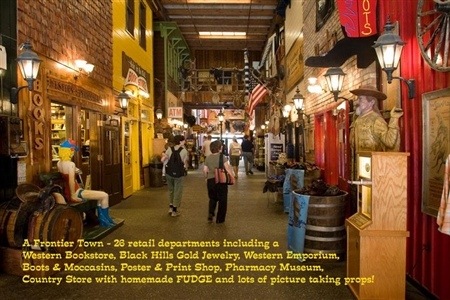
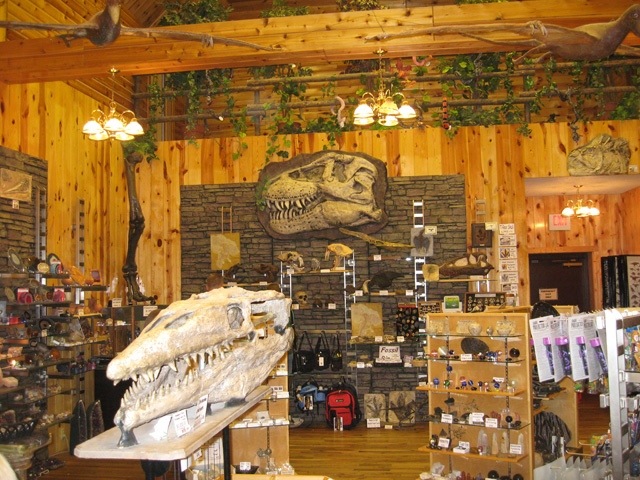
Wall Drug has literally taken over the town and in high season is the antithesis of Sturgis: good, clean family fun with a huge park for the kids of all ages while the shoppers in the family can explore the extensive shopping mall that extends an entire block. Main Street is filled with cars, and a lot of motorcycles and RVs too, that carry the people to dine, browse (they have a beautiful art gallery filled with Western art), and get their fill of souvenir shopping. Oh, they still have a pharmacy and employ a full-time pharmacist too.

This was my third time visiting Wall Drug. I smile too whenever I think of it and I look forward to the next time when can find a reason to be close enough to stop by.