Three Days Without a Signal

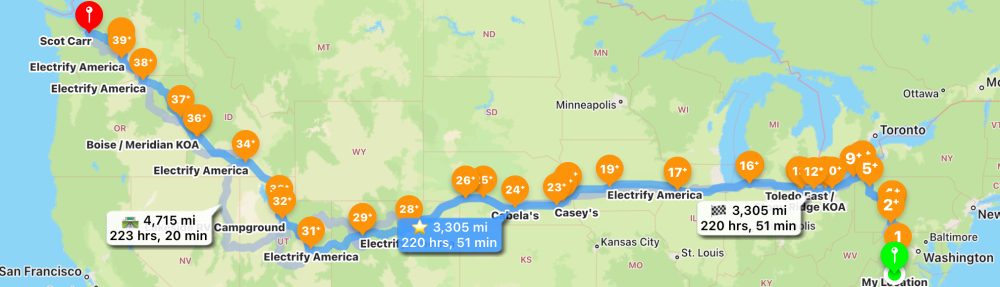
Postings have been sparse–downright non-existent–because we’ve been wandering through a communications desert for the past few days. Our preference is to stay off the interstates and away from major metropoli as much as possible, which has the unfortunate side-effect of also being absent from anything approaching a potent wireless signal. My regrets for keeping everyone hanging about what we’ve been doing in Kansas, Colorado and Utah.

Driving 400-500 mile days has been a large part of it. The result is that here we are now in Ely, Nevada, a town we’ve visited on other trips. Out here, distance means something very different from back in the East. A sign at the office of campground here in Ely said: Roundtrip to Walmart-398 miles. I don’t think they’re joking. We’ve begun thinking ourselves, “it’s just another 150 miles, piece of cake.”

But going back to three days ago, our day started off with a spectacular bang by touring the newly restored Kansas State Capitol in Topeka. We visited here a couple of years ago, but had the unfortunate timing of arriving on the 4th of July, just as every citizen in Topeka was converging on the State Capitol grounds for the fireworks show. Needless to say, the Capitol was closed. It was worth the wait. After pouring in at least 350 million dollars over the past 14 years (half of that federal funding) to restore it to its early 1900’s state (think heavy Victorian), it gleamed, and the employees were glowing too, bust-ing-their-buttons proud of their new”old” capitol building. Note all the scaffolding in the picture below. The interior is in fine shape. The exterior still needs some work, and they’re also building a new Visitor Center. That will cost another $150 million.
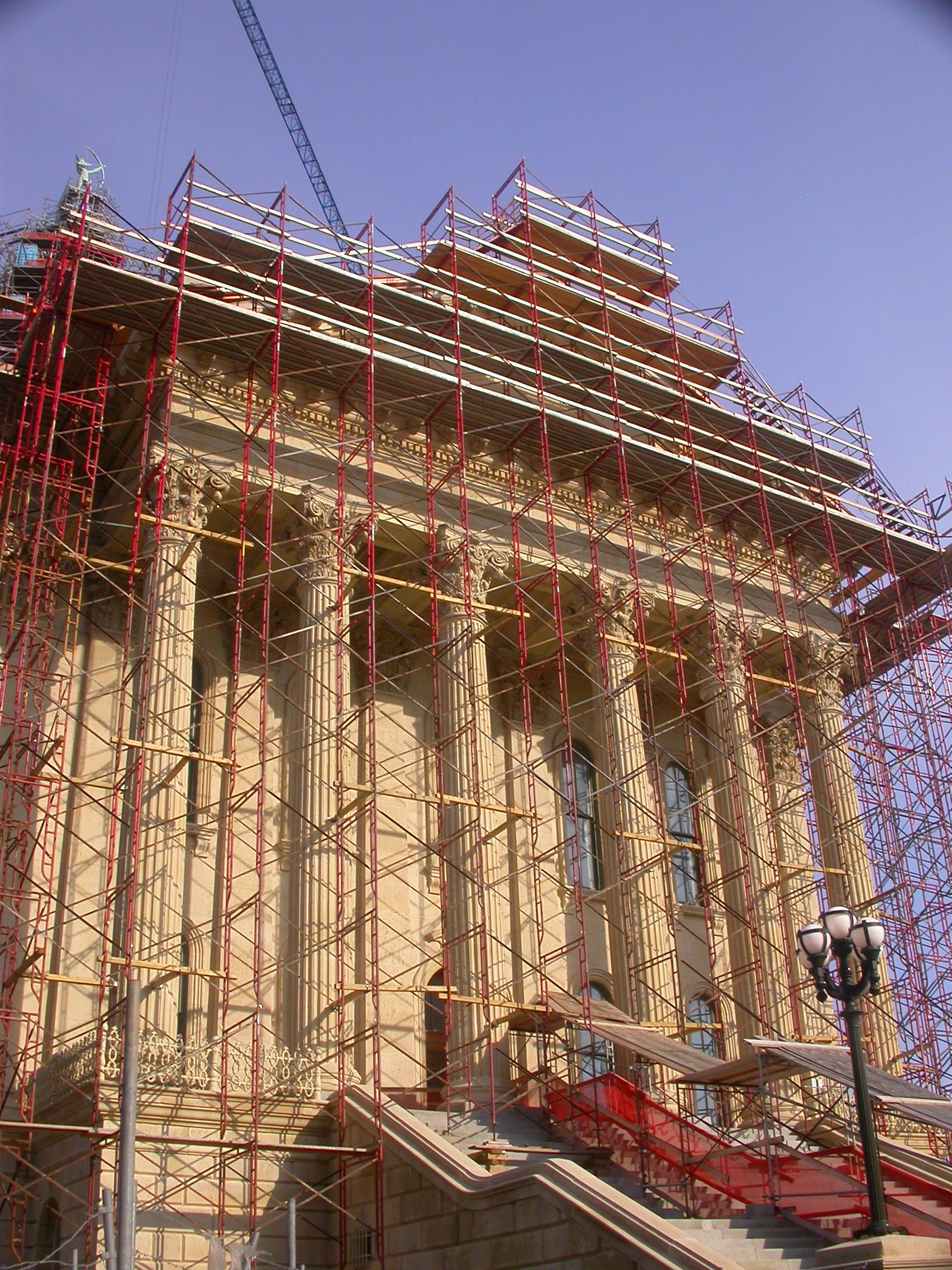
Kansas State Capitol

Kansas State Capitol

Kansas Capitol Dome

Kansas Capitol Dome

Much of the rest of the day was spent working our way through the mazes of corn that constitutes most of central Kansas. We stopped briefly in Concordia, Kansas, to see a museum newly formed to commemorate the nearly quarter of a million children who were part of the Orphan Train program that took place from about 1870 to 1910. It was a time when there were too many orphans in the major cities of the East Coast, and too few children in the growing midwest, where a child’s labor on a farm could make a huge difference. So they were collected by the Children’s Aid Society in New York City and sent on trains to towns in the Midwest. This museum, in tiny Concordia in an old train station, is not only a historical museum but also a “clearing house” of sorts for those tracing their roots. (For you literary folk, the recently published book The Chaperone, deals with this topic, and it’s a remarkably story–a great read.) The yard was peppered with delightful children’s sculptures, and below is my favorite.

DSCN6554My next post will be about our fifth day on the road, which we spent in Colorado, touring the Capitol in Denver and then driving through Rocky Mountain National Park.
Third Day: Two Paragons of Statesmanship

In the middle of the country, in two relatively small cities, we spent most of the day exploring two museums that brought together examples of fine statesmanship.

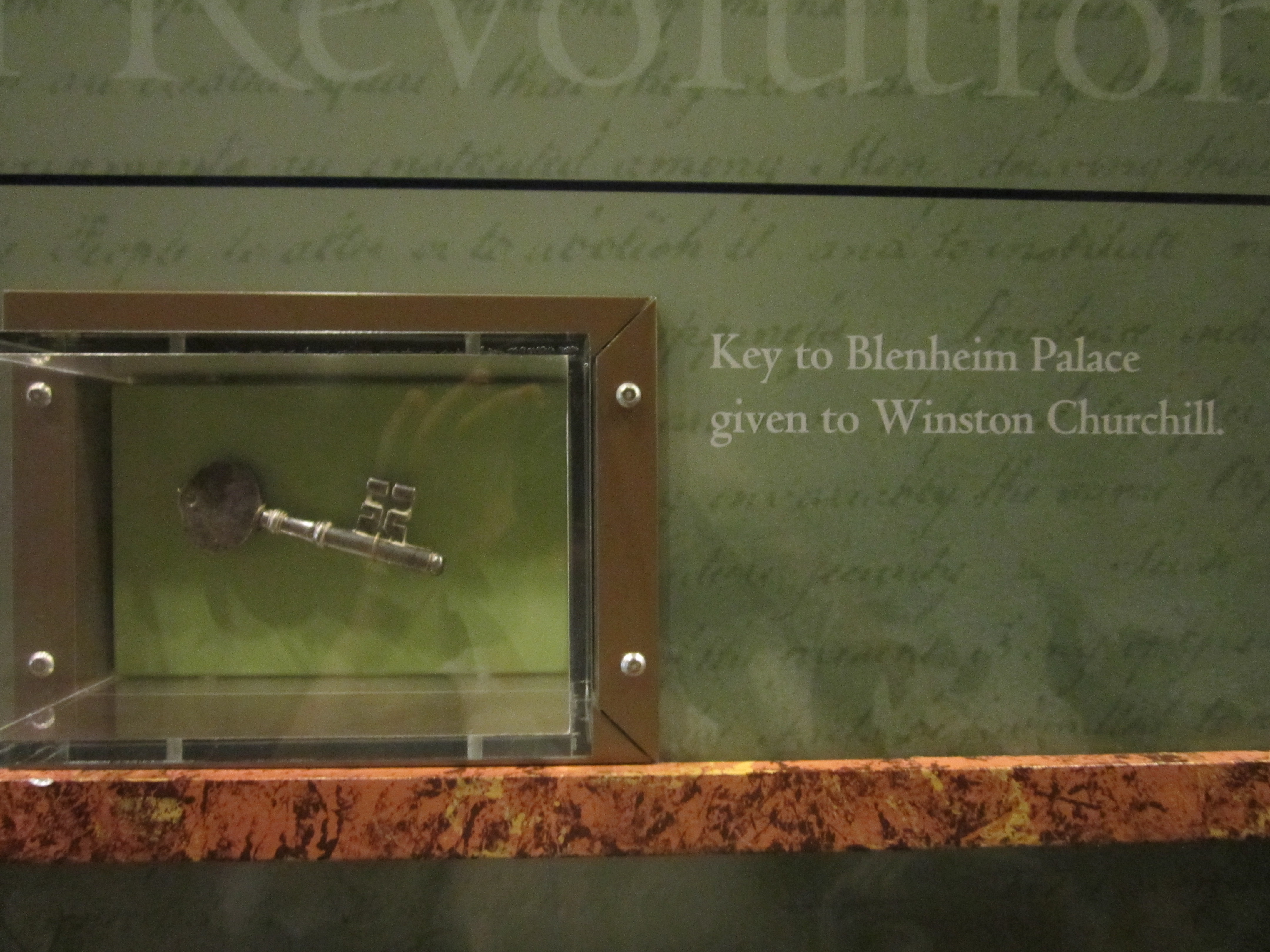
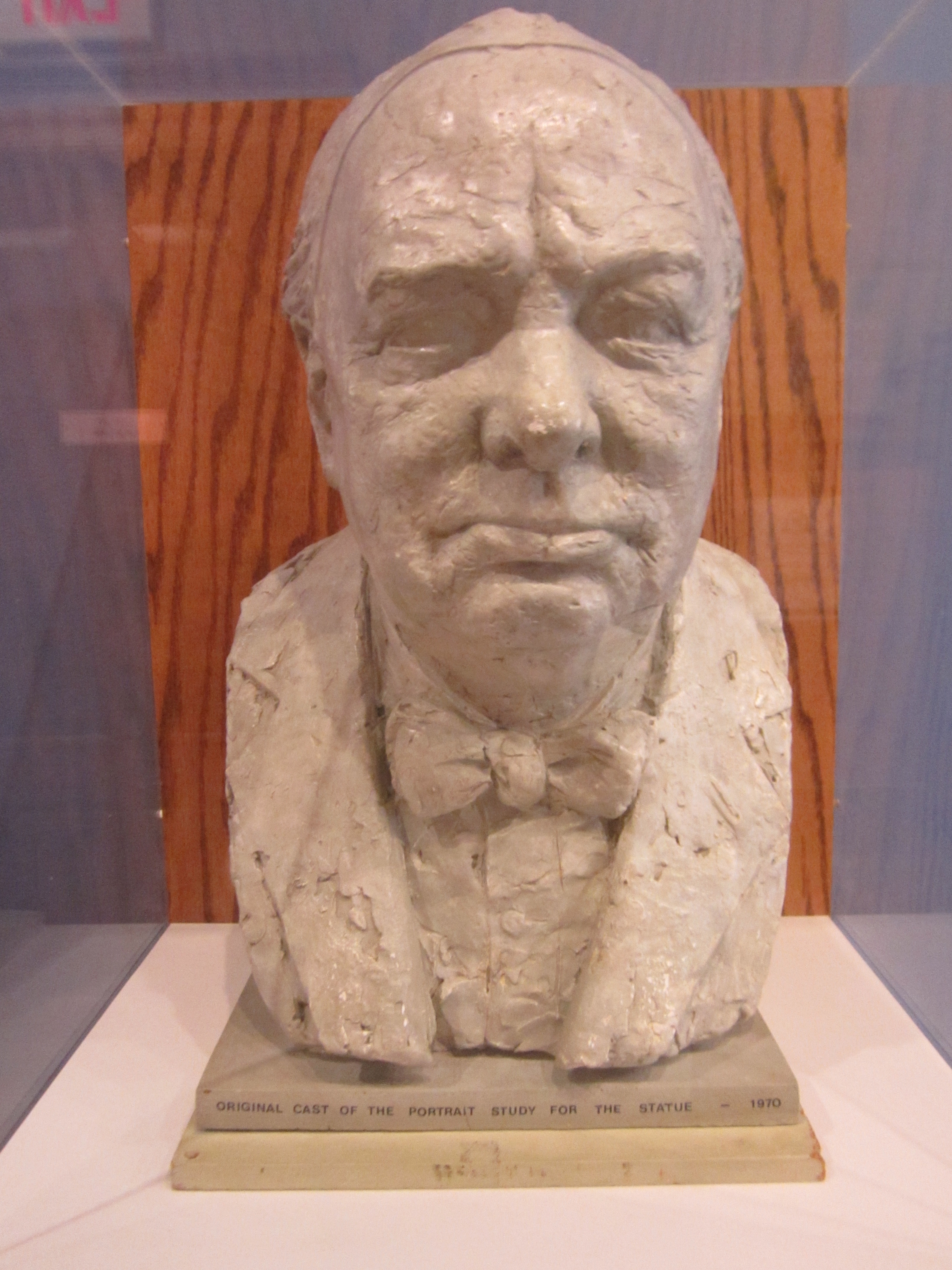
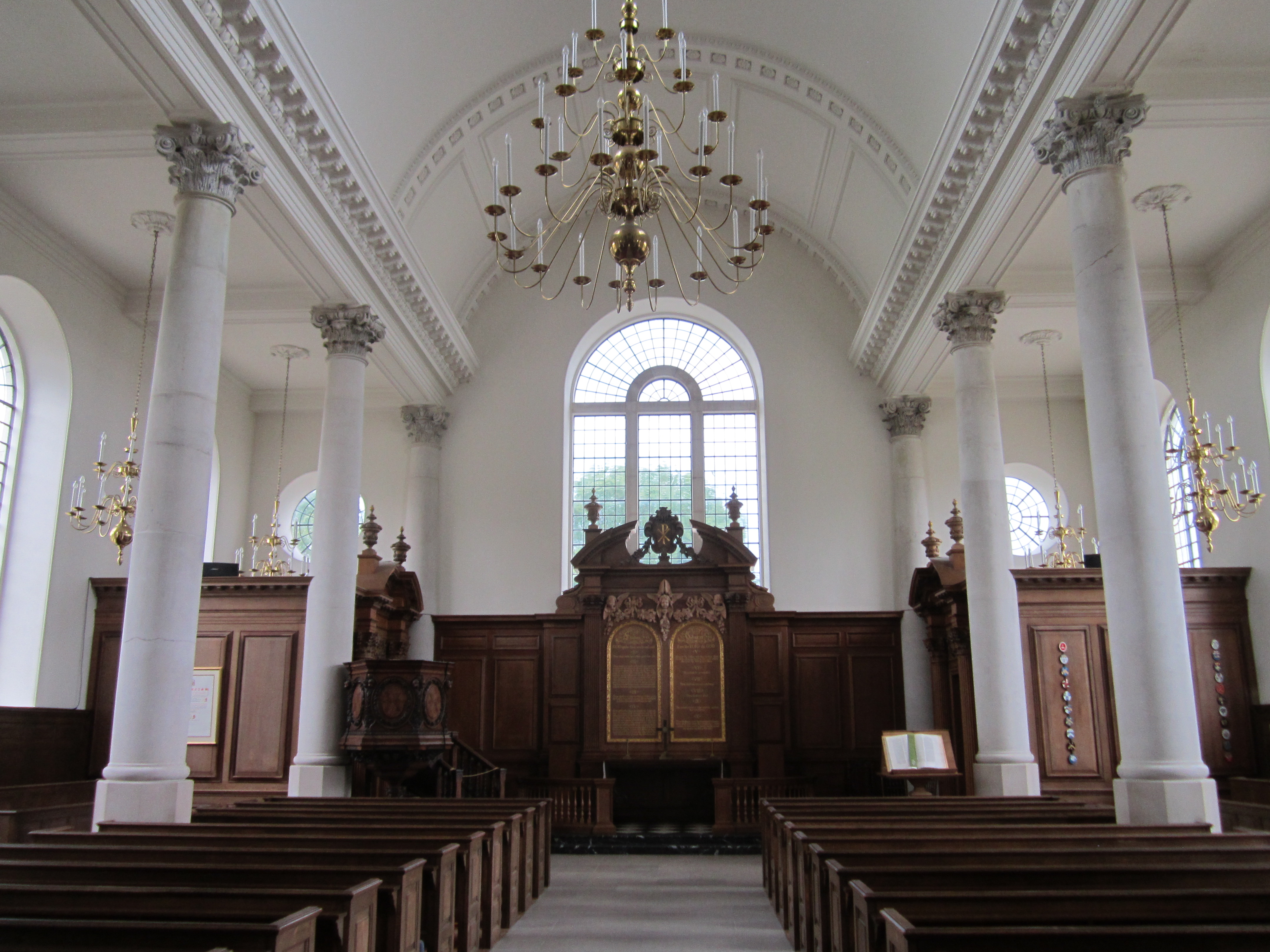
In the days after World War II, Winston Churchill, relieved of his duties of Prime Minister, toured the United States. In 1946, he visited Westminster University in Fulton, Missouri where he gave the famous speech in which he first used the term “Iron Curtain.” The university has created a beautiful museum based on this event, which now comprises both a history of Winston Churchill and of World War II. This museum is housed in the lower level of a church reconstructed from a London church originally designed by Christopher Wren that was destroyed in World War II, St. Mary Alderbury. It contained an fine collection of Churchill memorabilia, including a key to Blenheim Palace, and a remarkable piece of artwork in a nearby plaza.

IMG_1315

St. Mary Alderbury, Site of Churchill Museum

St. Mary Alderbury, Site of Churchill Museum

Key to Blenheim Palace

Artwork made from the Berlin Wall at Westminster University

Artwork made from the Berlin Wall at Westminster University

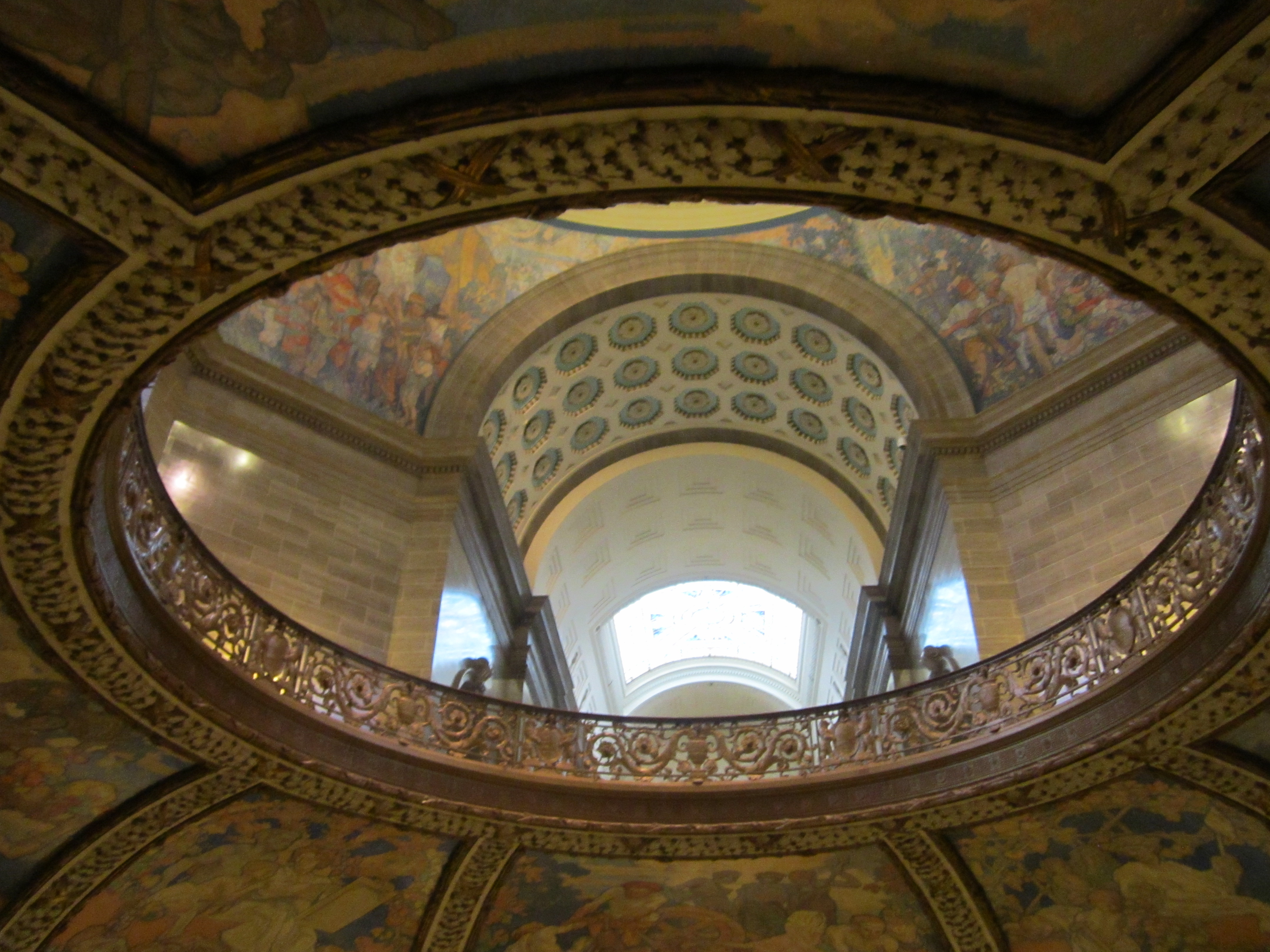
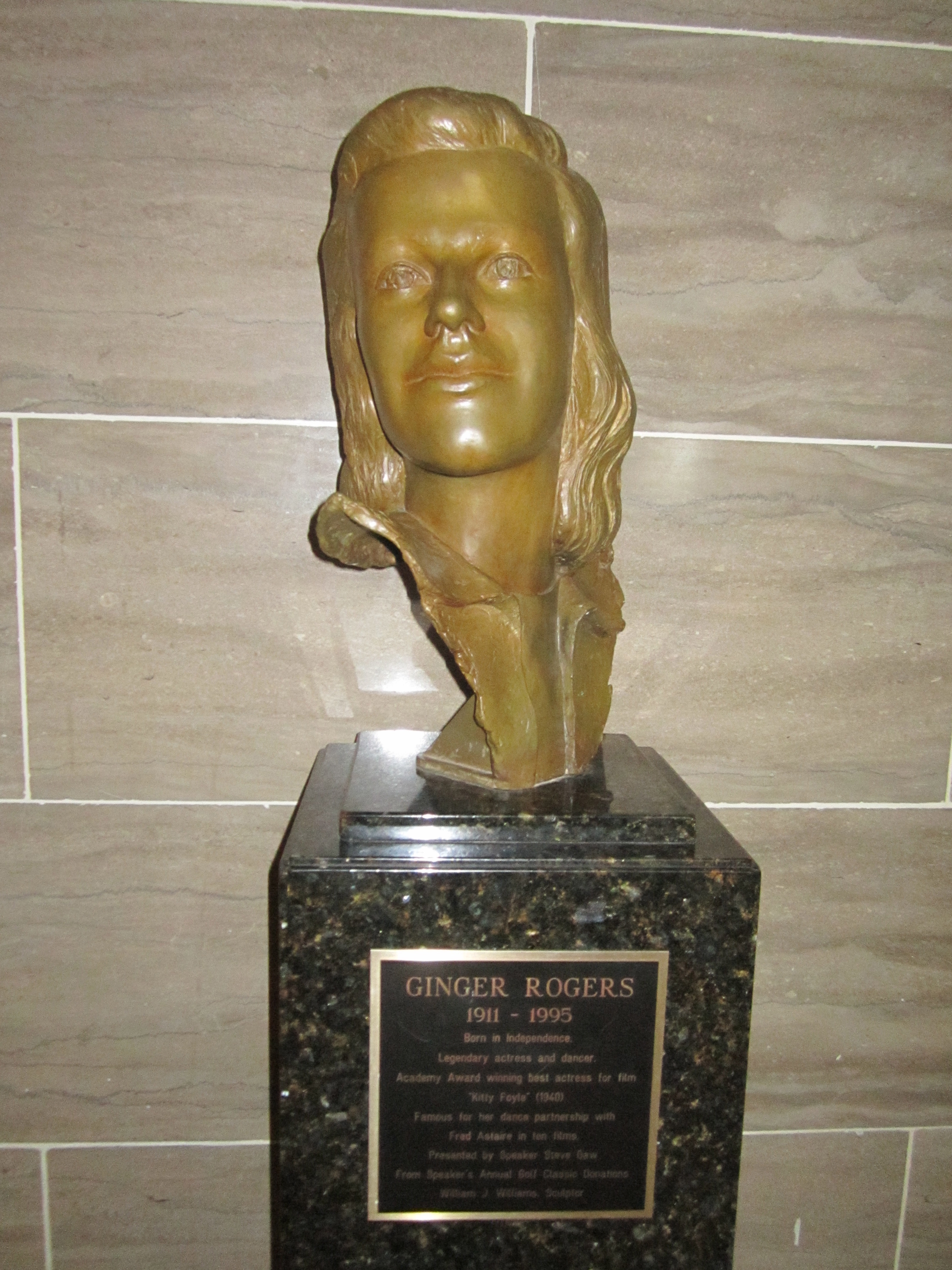
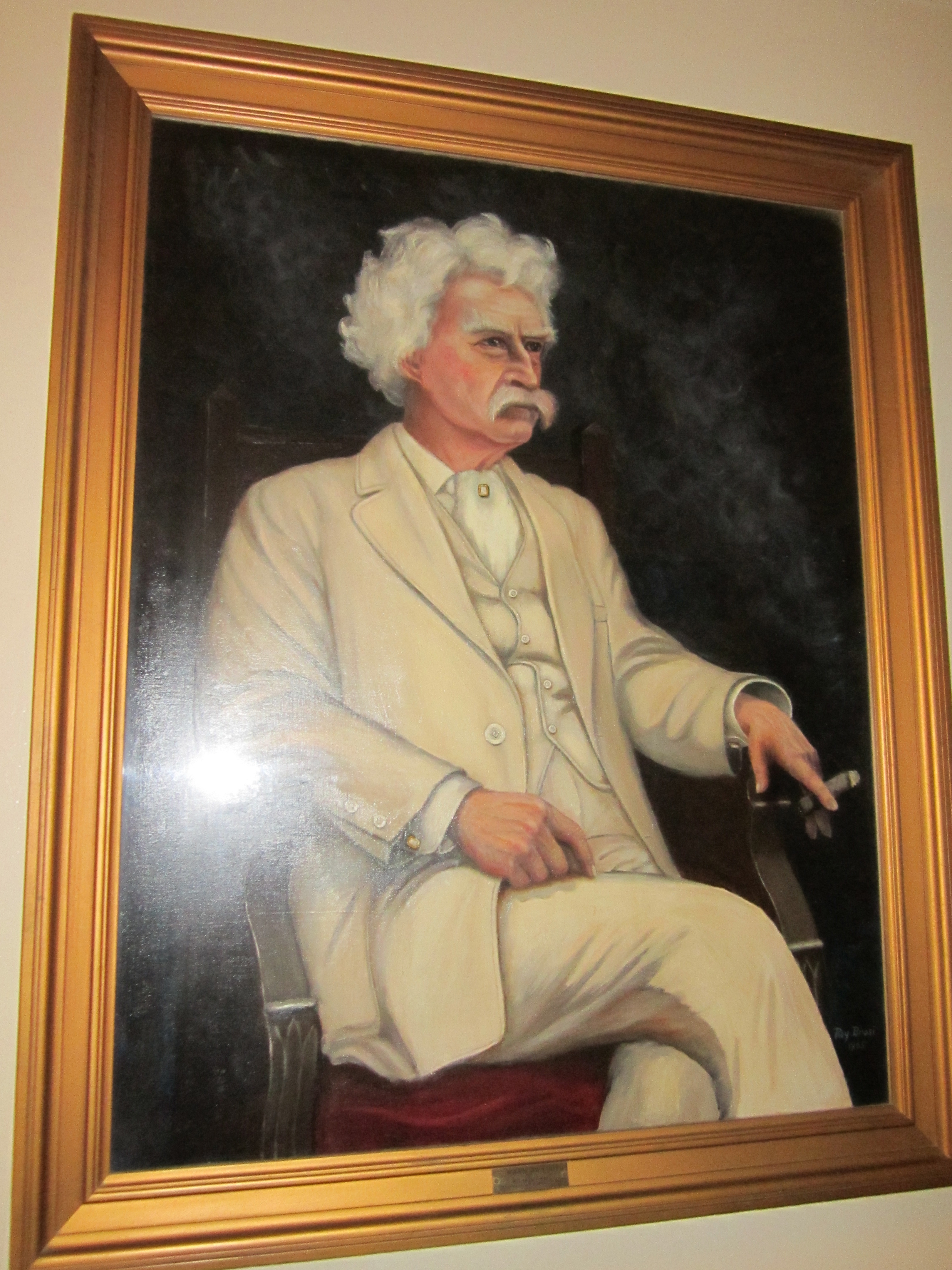
The Missouri State Capitol was also a celebration of statesmanship, recognizing many of the Missouri governors, senators, and representatives and other important Missourians. The center rotunda is stunning, as in most capitols, but the most interesting part was the gallery of busts of notable people with a connection to Missouri. Scot Joplin, Bob Barker,  Ginger Rogers and Betty Grable stood in state with the likes of Walter Cronkite, Walt Disney, and the man who founded Hallmark cards. And, of course, Mark Twain was enthusiastically recognized.

Missouri Capitol Rotunda

Missouri Capitol Rotunda

Betty Grable

Ginger Rogers

Samuel Clemens

Samuel Clemens

2nd Day: Kentucky to Missouri (through Indiana and Illinois)

Our morning started with a quick pass by the Toyota Factory in Georgetown, KY where my Sienna minivan was made. I grew up in Detroit, so big factories were nothing new. But it was a surprise to see such a big group of huge buildings busy making vehicles under a blue sky that wasn’t being filled with pollutants. One of the few times I saw that in Detroit was when GM, Ford, and Chrysler all went on strike at the same time.

We covered the same number of miles as we did yesterday plus one (455), and there’s no denying it’s a long, flat ride through the center of the country. Some of the high points of the day were watching the outdoor temperature gauge on the dashboard slowly rise from about 70 up to 95 and back again, dodging a hawk that nearly dropped its prey as it dodged our windshield, taking some lovely backroads that got us off I-64 and its boredom for at least a few miles to discover really healthy looking crops of corn, tobacco and soybean. We drove through the territory where Lincoln spent most of his childhood, passed by the St. Louis Arch, and crossed the Ohio, Mississippi, Wabash, and Missouri Rivers, all of which looked remarkably similar with their breadth and their muddy water. (I’ll be uploading photos as soon as I get a decent signal. We’re camped out in a wireless desert right now.) Despite their relative unattractiveness, (compared at least to a babbling brook following a curving mountain road) you can’t help but feel the awesome power these rivers hold for making the commerce of our country flow smoothly. And the bridges that have been built to cross them are pretty neat too.

The true highlight of our day was a surprise. While studying the map for novel and efficient ways to get around St. Louis without passing straight through the center of its downtown (and almost beneath the Arch), I discovered that Jefferson Barracks was situated off the first exit after crossing the Mississippi and entering Missouri. My father was stationed in Jefferson Barracks during World War II when my brother and sister were youngsters and before I was born (when I was just a glint in my father’s eye, as he used to say.) All these years I’ve envisioned Jefferson Barracks as being a relatively small base situated out in the country with a lot of trees. I discovered it was a huge base built originally in 1825 where notable military men like Robert E. Lee, Jefferson Davis, General Sherman and others served (and of course, my father.)  It was decommissioned shortly after the end of World War II. Now it is a VA hospital, with much or the original land given to the city of St. Louis for a park. It was very moving to have a part of my father’s history that I never knew before brought home to me.

Stay tuned for photos!

Eleven Hours and 453.7 Miles

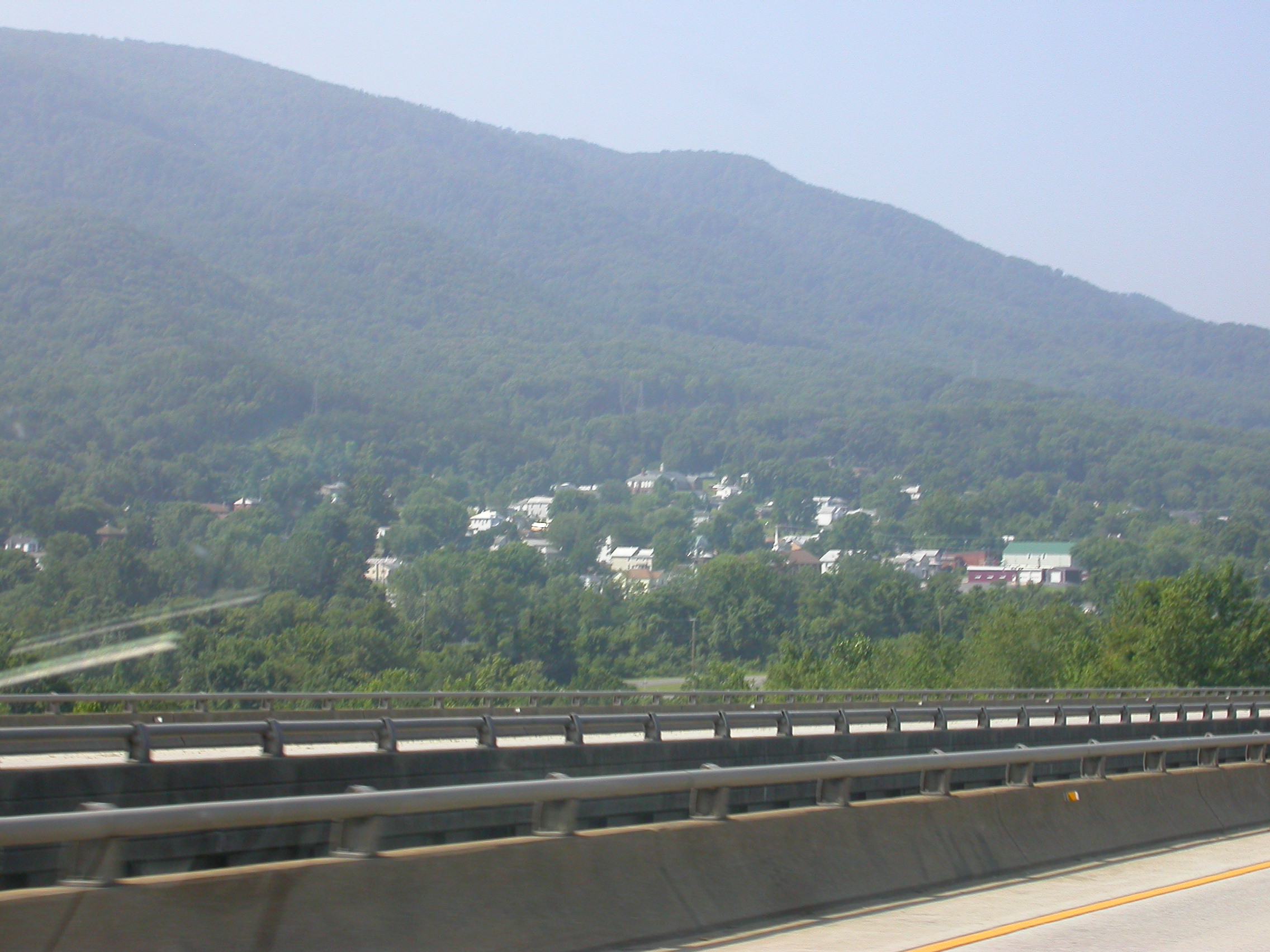
…brought us to a campground just north of Lexington, Kentucky. Roger had warned it might be a boring day spent primarily on I-64 heading due west. But as soon as we entered the western Virginia mountains, covered with their summer haze, the road began its twists and turns to maneuver through the passes while the green valleys and hazy peaks passed by.

DSCN6204

It just got better when we entered West Virginia. There we saw coal, piles of it waiting to be trained away, and even more rugged mountains. A stop at the WV Visitor Center made us aware that Civil War battles and skirmishes took place in the land we were passing through. In fact, all of Appalachia, from the Natchez Trace up to southern New York State, was caught up in the conflict in some fashion.

Near Gauley Bridge, we stopped at the Hawks Nest State Park to view a broad vista of the New River and the Gauley joining to form the Kanawha. Beautiful stone steps, most likely the work of the Conservation Corps, take you down to the viewing platform.

DSCN6263

DSCN6264


At the end of the day, we’d spent the majority of the day on I-64, but we also managed to enjoy a lot of winding mountain roads taking a “long” shortcut on Rte 60 to avoid Beckley, WV. After passing through some of the most beautiful horse farms in the world, we rolled into Whispering Hills Campground, settled into a campsite situated on a lake, pulled out our camp chairs and watched the scenery below. Life is rich.

DSCN6305

DSCN6307


Tomorrow We Hit the Road

What exactly does “hitting the road” mean? In our case, it means about 8,500 pounds of vehicle rolling out of our driveway, filled with a closetful of about twenty mini “suitcases” comprised of Eagle Creek packing cubes, a refrigerator full of all the food we couldn’t finish off in this past month when we quit buying any food other than the necessities of milk, orange juice, and eggs, and tanks full of propane, water and diesel fuel. I hate to think of how much all of those weigh. It means carrying a good dozen or so electronics, many of which will lose much of their functionality as soon as we get to the wide open spaces and lose cellular signals, but that doesn’t stop us from bringing them along. Or the myriad cords that, if we tied them all together, would probably encircle the vehicle.

It means a “good” day on the road is one when we accomplish at least 300 miles; a “hard” day is when we need to make 400 or more. For Roger, it means keeping all the GPSes in sync with each other (and hopefully us with them), and for Carol, it means taking the majority of photos from an open window of a moving vehicle. It means searching for a level campsite every night, and finding a small-town grocery that’s big enough to carry what you want, but small enough so it doesn’t eat up a good half hour to negotiate through the store.

Winding Road

And it’s watching the horizon for the mountains that never seem to come soon enough as you’re traveling West and that disappear too quickly as you’re heading East. There’s a huge great plain in the middle of the country that, for me, is one of the best, most relaxing, parts of the trip. As that long, seemingly endless ribbon of road unfolds in front of you, it’s like a story waiting to be discovered, and then told in a blog like this one.

Busted!

Busted

After three days of frisking our BoxCarr from top to bottom, Roger discovered a critical mass of gnawing and chewing detritus and mouse droppings that identified home base of our little monsters. In the rubber insulation of the wires buried under the hood directly beneath the windshield were several sections worn thin by mice teeth that covered a collection of well-chewed cicada bodies. Fortunately the mice had left the coatings of the wires alone, or we could have had some annoying (and likely expensive) electrical issues to deal with. For now, we’ve cleaned up their messes and disinfected the BoxCarr. We’re already strategizing locations for moustraps over next winter. Likely one of our biggest challenges will be to remember where we’ve placed them, as this time we plan to put one under the hood.