The Monument Rocks of Kansas

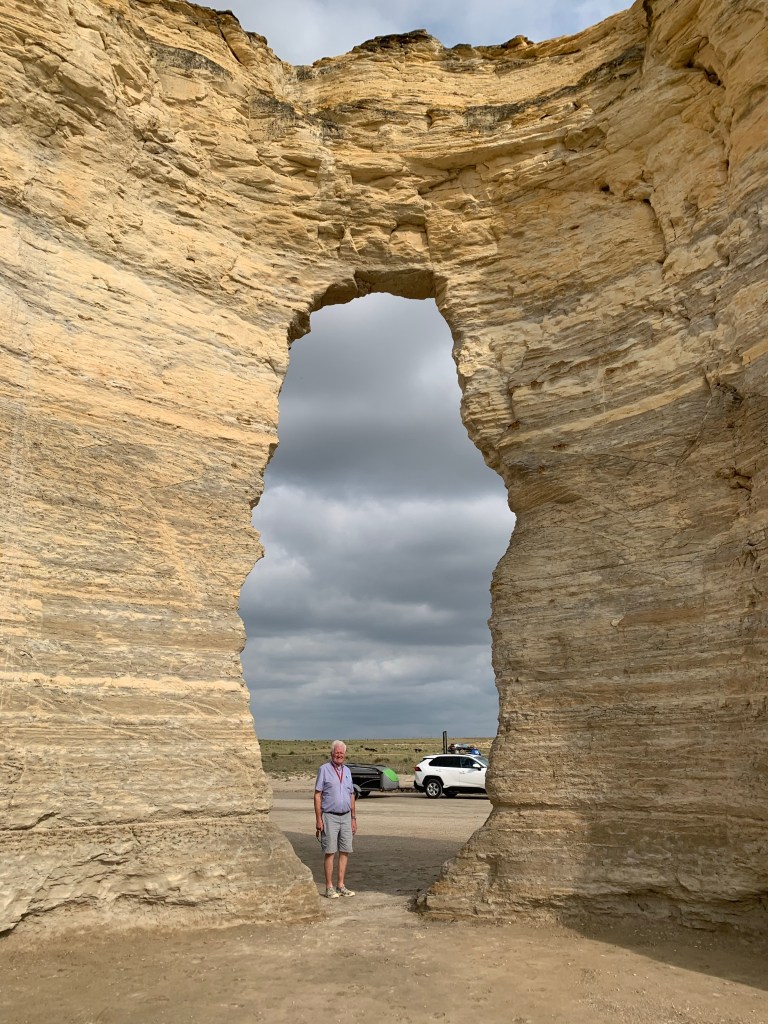
Several months ago we were watching a PBS documentary on the origins of the earth that featured a collection of large chalk formations found in Kansas remarkably rich in fossils. They can reach a height of 70 ft and have unusual structures such as buttes and arches. Geologists estimate that the were likely formed 80 million years ago.

So we made them a highpoint of our western travels which took us down many highways in Kansas we’d never seen before, and then down about 30 miles of dirt road off the beaten path to reach them. We were clearly socially distanced! This is what we found:
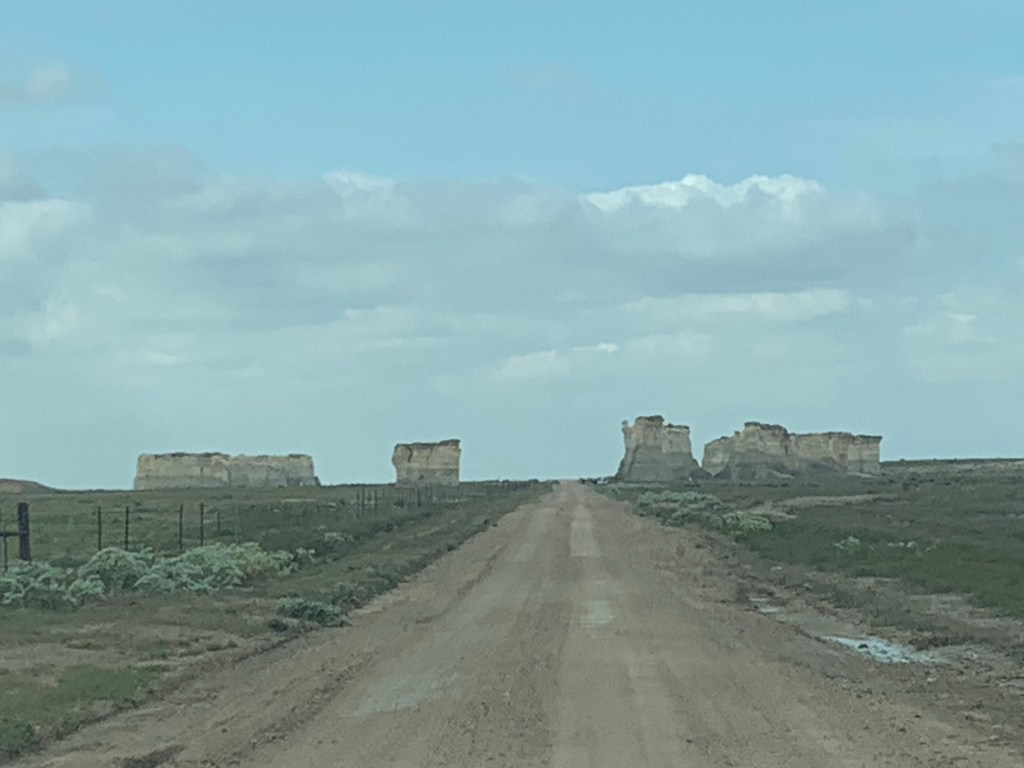
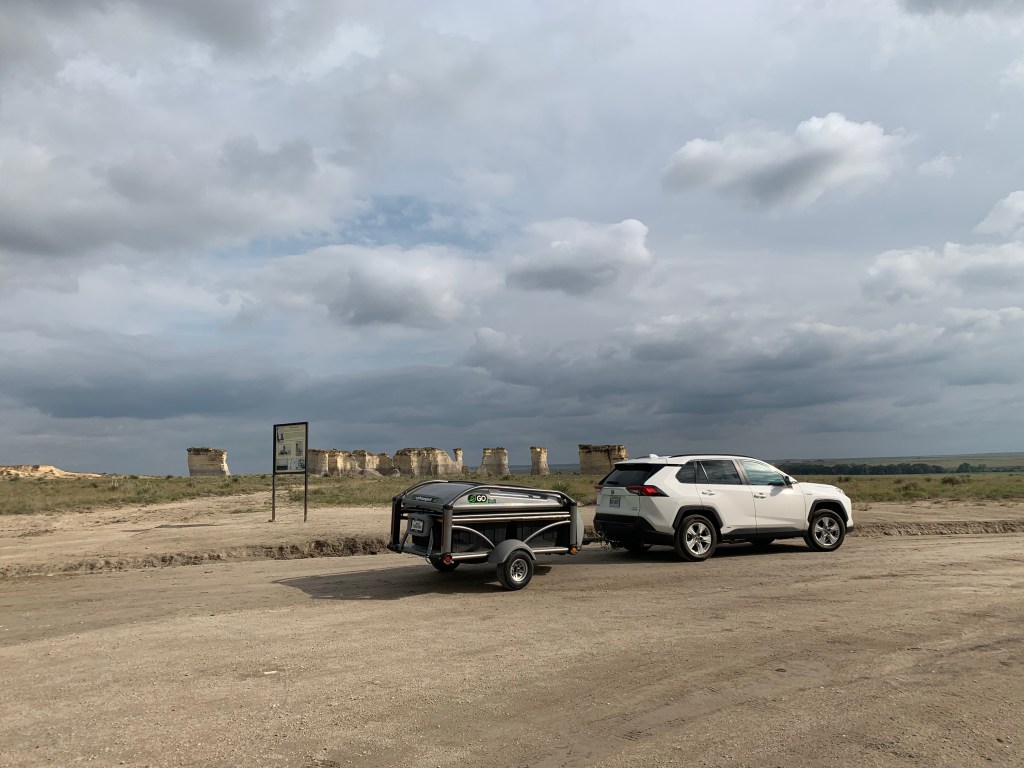
You take a curve in the road, and up they pop in the distance.
There are two major sites; this is the first. It is remarkable that people are permitted to walk amongst them, although climbing is not permitted.
This is the second major formation which was featured in the PBS documentary.
Our pilot and his rig
Our CarrGO and GOCarr

Remarkably, these Monument Rocks are privately owned, and the people who own them are very generous with allowing the public to come on their property. They only request that people not climb on them or destroy them in any way, and also to please not honk your horns at the cattle which frightens them. It felt like we were visiting someplace that in a few years would likely be turned into something more commercial. I’m glad we saw them when we did.

On to Colorado!

Missouri State Capital

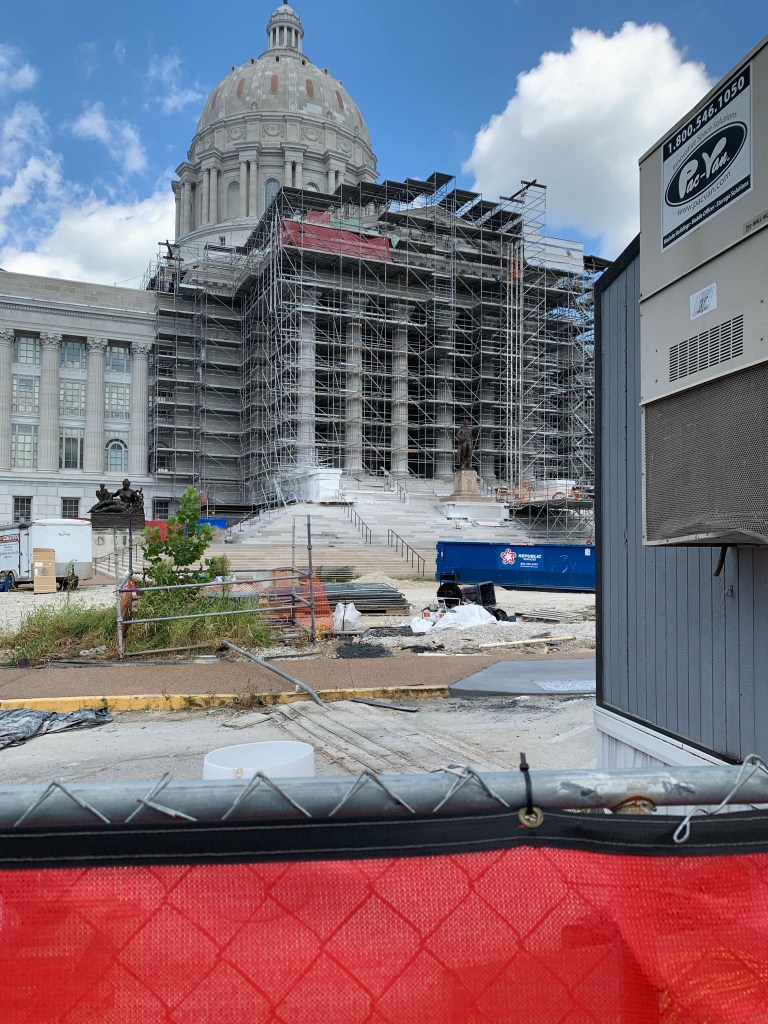
It took us a solid three days of driving through what I call “the sea of land” that separates us from all of the places where we really want to be, and our first real attraction (after seeing miles and miles of lovely valleys, corn fields, soy fields, lovely hills, a few mountains and rivers…you get the idea) was one of the capitals that somehow we’ve missed as we’ve criss-crossed the country visiting at least 40 of the state capitals. The Missouri State Capital in Jefferson City is currently in a state of major renovation, so while it is supposed to look like this…

Missouri State Capital

….it currently looks like this:

Missouri State Capital under major renovation in 2020

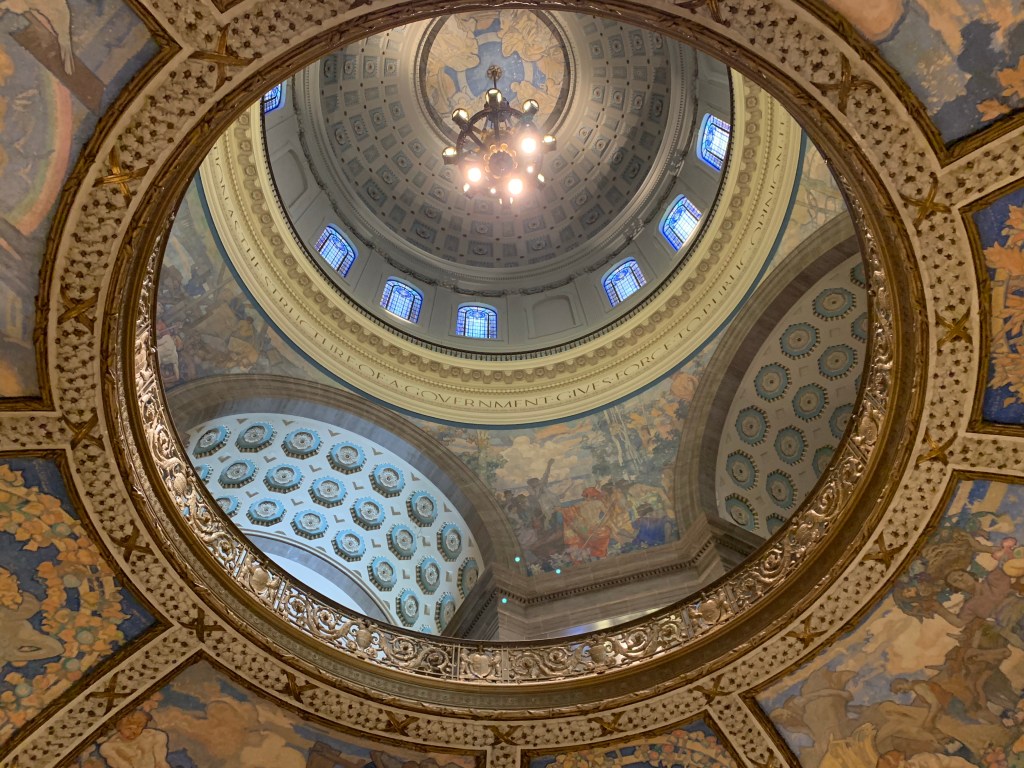
It took us a while to find an entrance, but it was indeed open, despite the appearance. And as a classically designed state capital, it has a stunning interior with an unusual double dome.

It also has the piano setting of my dreams, tucked under a magnificent marble staircase. The acoustics must be stunning.

Every state capital celebrates the important people of its state, and Missouri is no different. It has quite a few! With Scot Joplin, Carrie Nation and General Omar Bradley as examples, Missouri considers its citizens its most valuable resource.
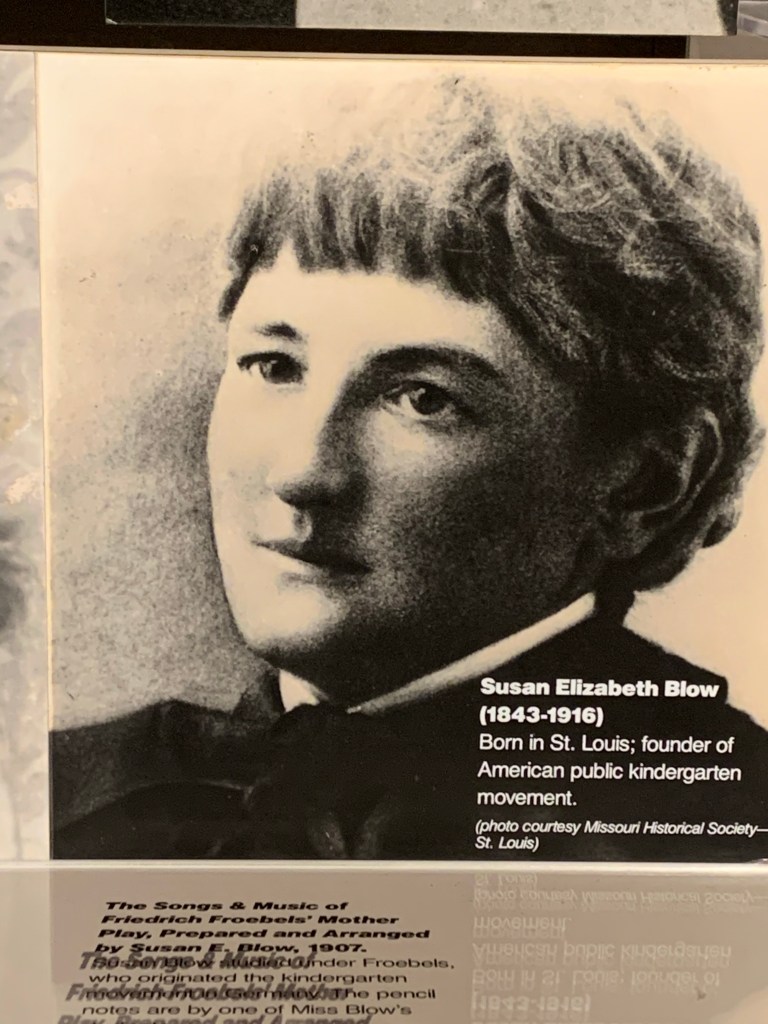
Of all of these folk, I was most intrigued by someone I didn’t know. I’d never heard of Susan Elizabeth Blow, but I consider her work as founder of the American kindergarten movement one of the most important contributions ever made to education in the United States.

On to Kansas, and Monument Rocks, recently named one of the 8 Natural Wonders of Kansas!

We’re Off!

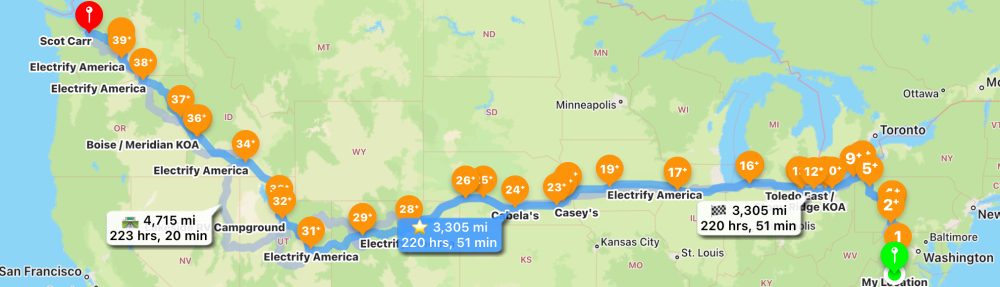
Taking off tomorrow morning at 10:00AM, with a first night’s destination of Ashland, Kentucky. The big adventure begins and the following is a rough idea of our itinerary for the first leg of the trip:

Day 1: Home to Ashland KY, a travel day

Day 2: Ashland, KY to Cahokia, IL, another travel day

Day 3: Cahokia, IL to Williamsburg, KS, with a stop to visit the Missouri State Capitol

Day 4: Williamsburg, KS to Colby KS, viewing Monument Rocks along the way

Day 5: Colby KS to Colorado Springs, CO with a stop to visit the United States Air Force Academy

Day 6: Colorado Springs CO to Towaoc CO, stopping to see Pikes Peak

Day 7: Towaoc, CO to Kanab, UT, visiting the Four Corners and Glen Canyon

Day 8: Kanab, UT to Virgin, UT, with stops at the North Rim of the Grand Canyon and the Kolob Canyons part of Zion National Park

Day 9: Virgin, UT to Lone Pines, CA while passing through parts of Death Valley

Day 10: Lone Pines, CA to San Rafael, hoping to dodge any wildfires along the way. If all goes as planned, we will have arrived at our first family stop.

Taking 10 days to cross the United States is a gift for us; normally we’ve done it in 8 days, and 400-500 mile days can be wearing. This will be much more leisurely than we’ve done before. We’re hoping the weather will be easy on us too. We welcome you to follow along!

We’re Heading West Again!

With social distancing our new norm, and as our normal travel routine is predominantly socially distanced anyways, we’ve decided to literally take our show on the road for the remaining weeks of this summer and head West to visit family. Our “show” this time is a new camper: a Sylvansport GO, which we have dubbed our CarrGO. As I tend to describe it as a turtle on wheels, and that generally doesn’t give the best impression, the best thing to do is to check out the Sylvansport GO website at https://www.sylvansport.com/go/ where you can see a number of photos that show its versatility. This is the basic idea:

With a hybrid RAV4 to tow it, we’re ready to take on the West. Once we’ve settled on an itinerary, I’ll post that shortly. We hope you’ll journey along with us!

Rain, Rain, Go Away

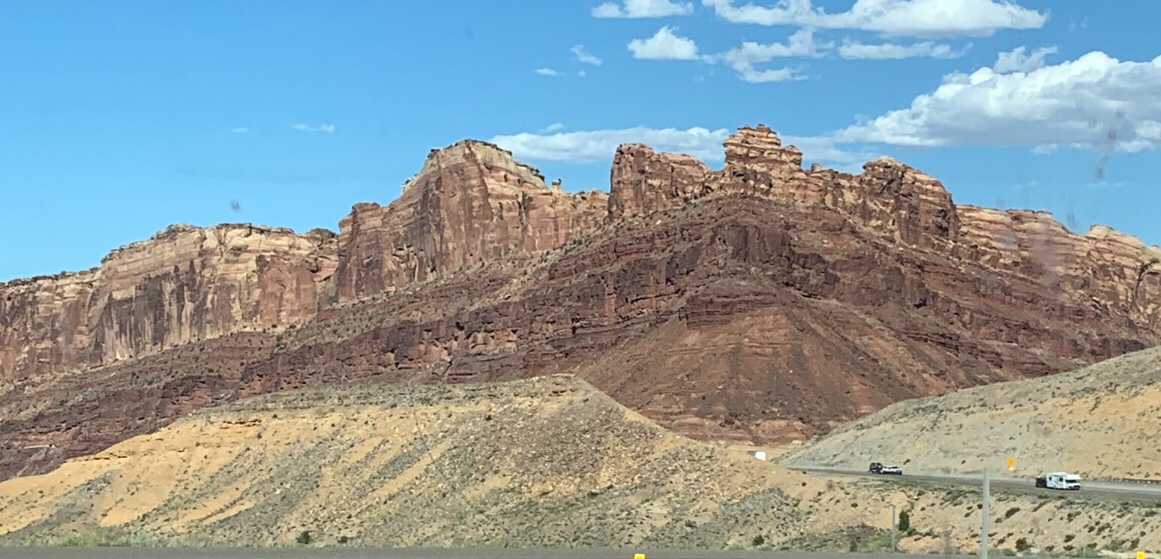
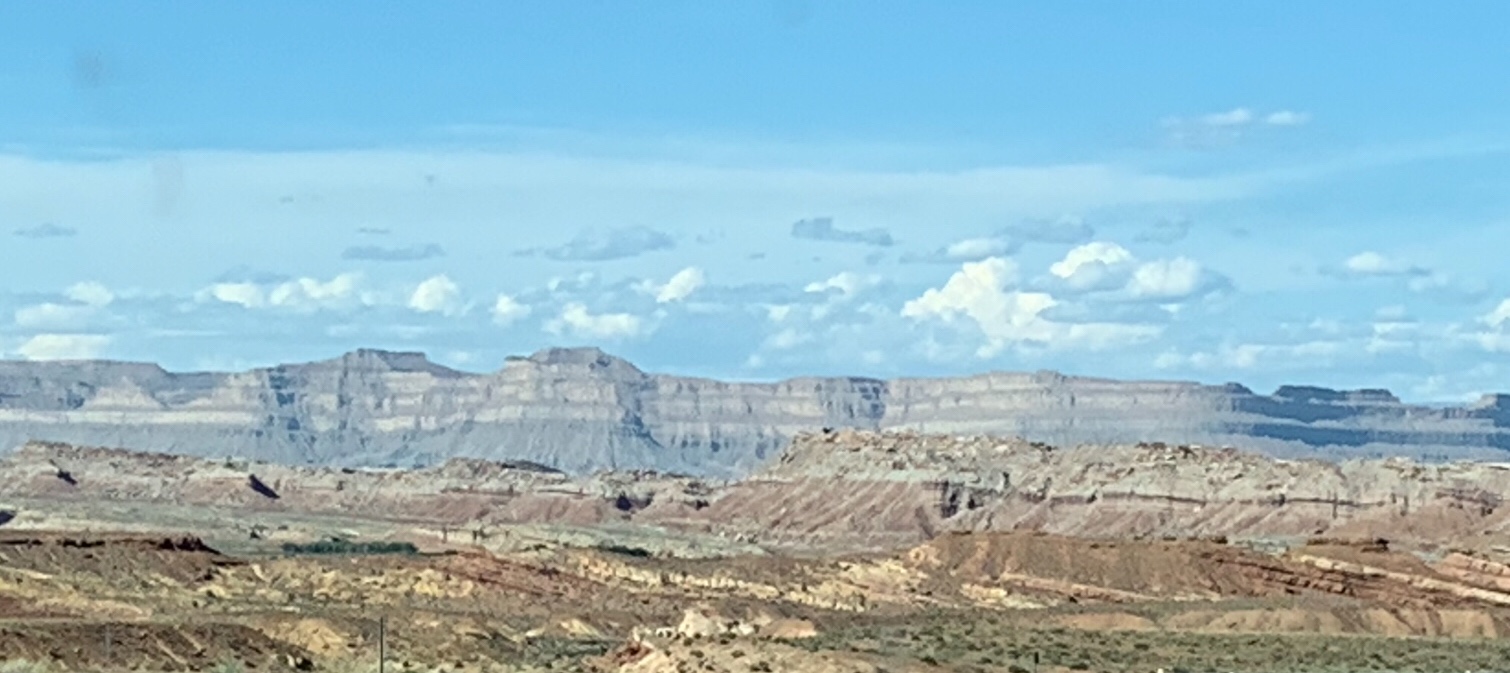
As we wrap up our trip, you might have noticed that the itinerary I outlined in my first entry for this trip isn’t what we’ve been doing ever since we headed east. As it turned out, Route 120 leaving the San Francisco area was still snowed in and closed to traffic, which forced us to take a more northern route home. While this negated our seeing some exciting national parks, we saw some other beautiful landscapes, especially following I-70 through Utah.

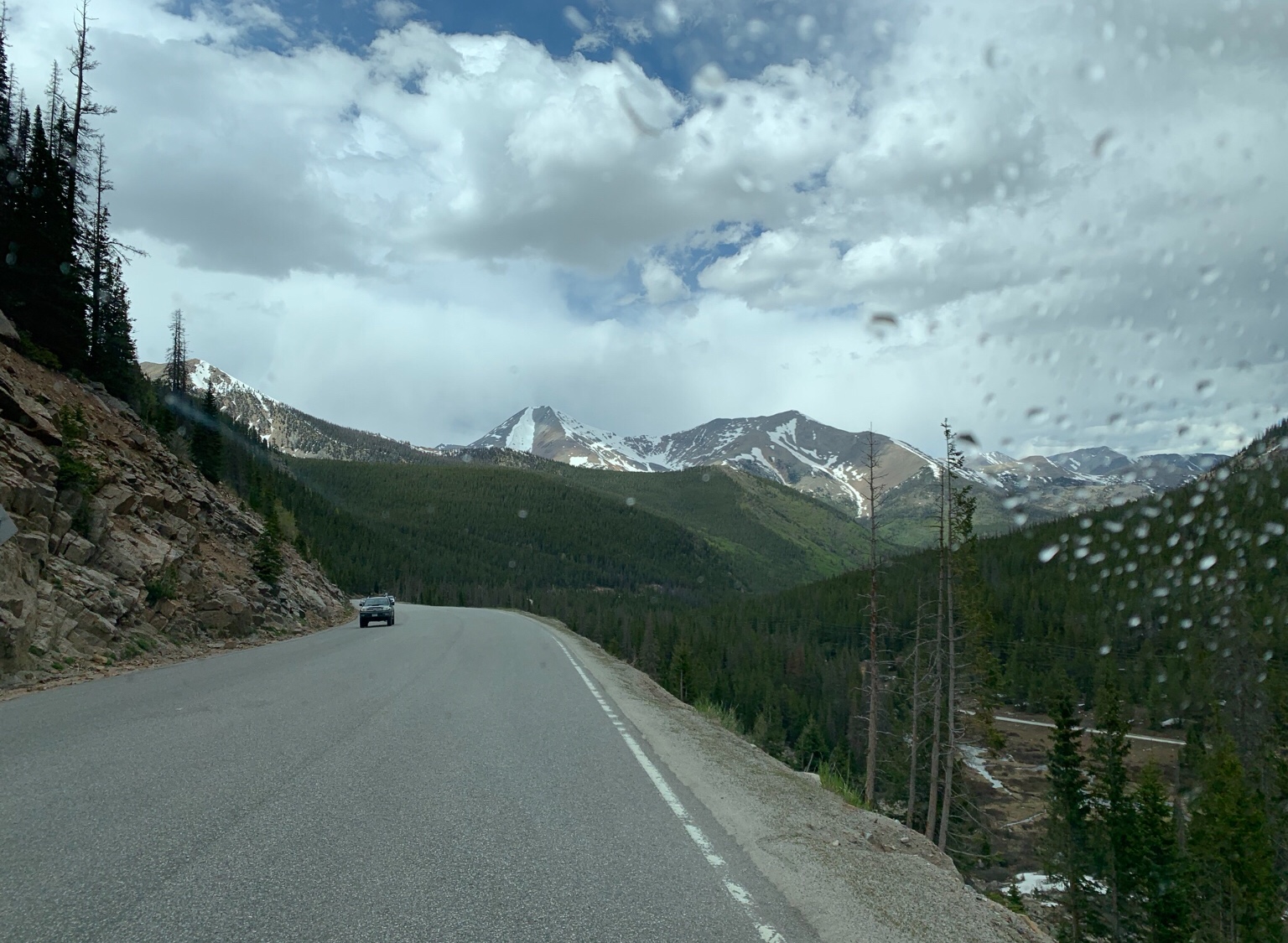
And it was exciting to go over Monarch Pass again, although that was the beginning of our wet weather.

Since that time rain has been a force to be reckoned with, starting with a nagging presence that spattered the windshield when cars and trucks passed to flooded rivers…

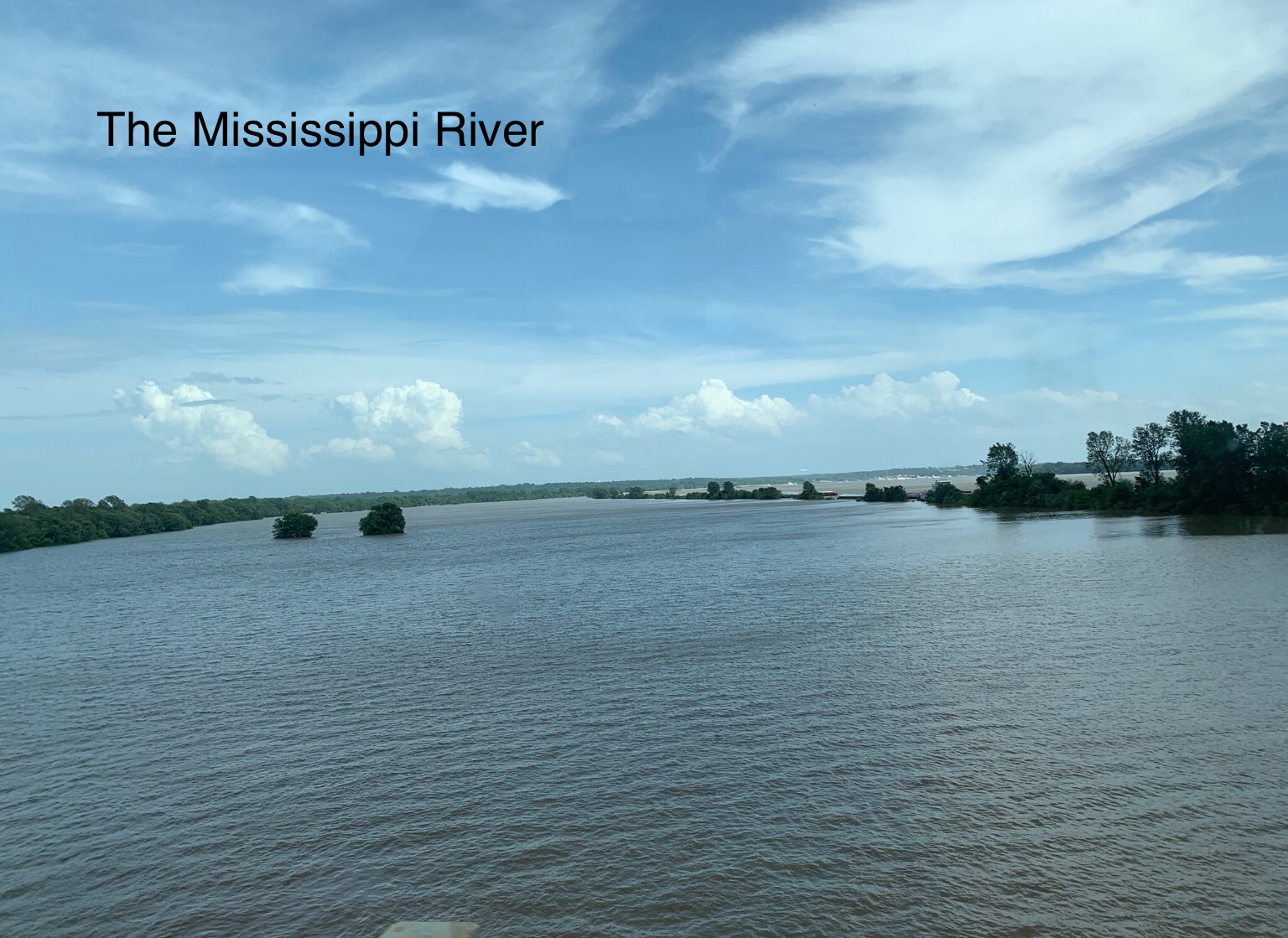
…to flooded rivers that forced us to detour…

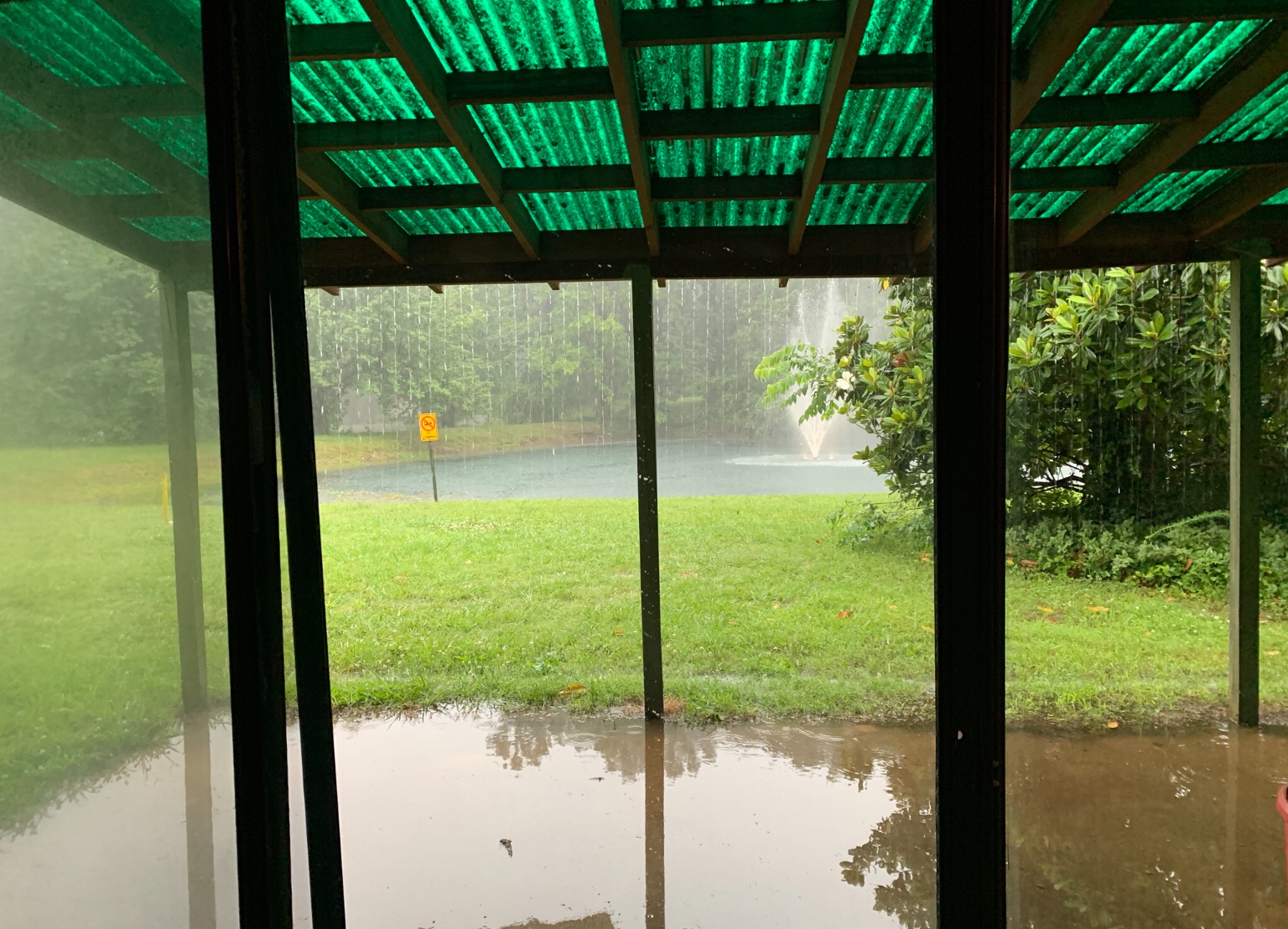
… to dodging major wind and downpours in Kentucky for an entire day, only to find ourselves hovering in the basement of our campground office building that evening as a tornado warning was in effect. The picture below doesn’t capture the heavy winds, driving rain we all watched, hoping the house wouldn’t be blown away—or us!

Nevertheless it’s been a wonderful trip. We’ll be home tomorrow and we’re ready to return to our normal routines, to our family and friends and to our music. Thanks for all your comments along the way. It’s been great fun sharing it all with you.

China Camp

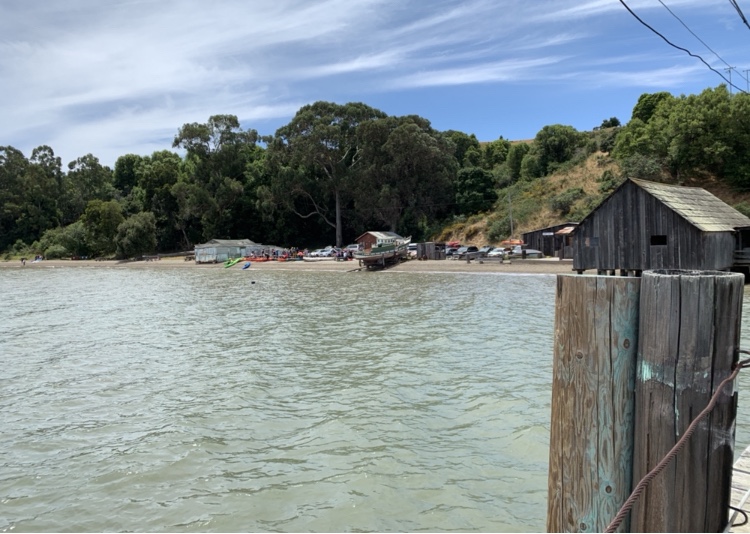
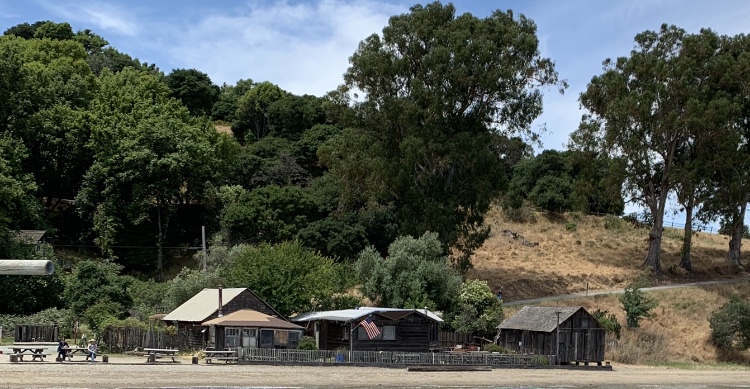
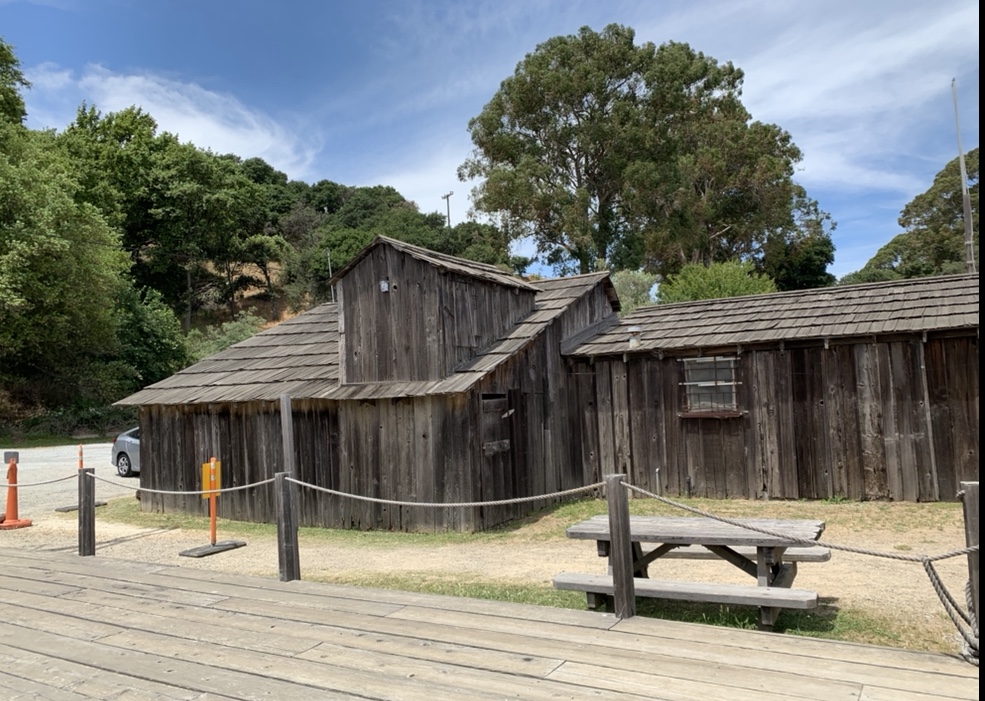
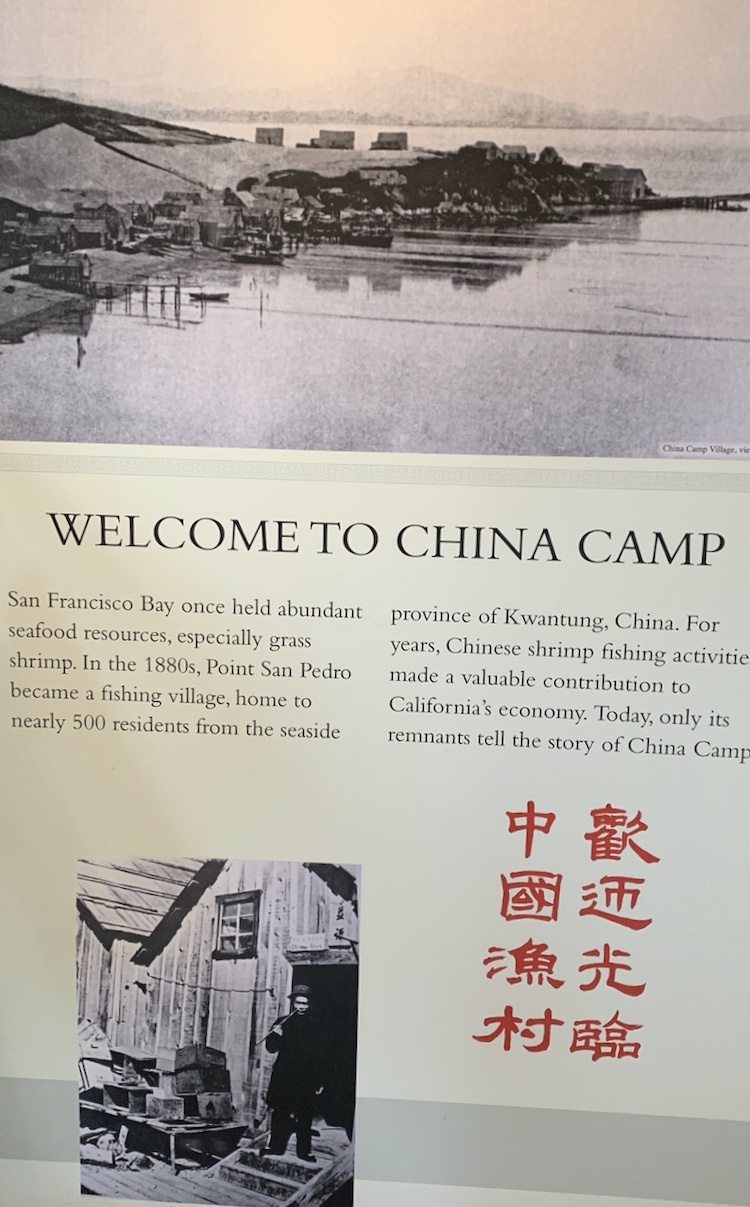
Before leaving San Rafael, our family took us to visit China Camp State Park, a favorite place of theirs for running and biking. This park captures the history of a group of Chinese Americans who supported themselves primarily by shrimp fishing in San Pablo Bay. In its heyday in the 1880s, about 500 Chinese Americans lived in the the village which had three general stores, a marine supply store and a barber shop. China Camp was one of approximately 26 such shrimp-fishing villages established along the coast by Chinese Americans, many of whom had moved from San Francisco to escape racial prejudice and persecution. Below is what remains of China Camp.

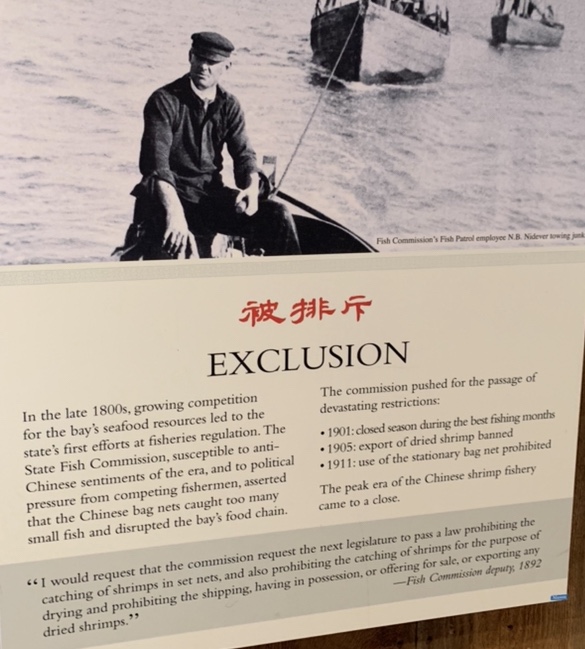
In the late 1800s, the Chinese American fishermen of China Camp would catch 3 million pounds of shrimp per year, much of which was exported to China and Hawaii. However, the economy of the village was severely harmed by the passage of laws in the early 1900s that outlawed the export of shrimp, closed the height of the shrimping season, and prohibited shrimping with bag nets which were the main method of catching shrimp. As a result, the population of China Camp greatly declined, leaving only one family — the Quans — carrying on shrimp fishing.

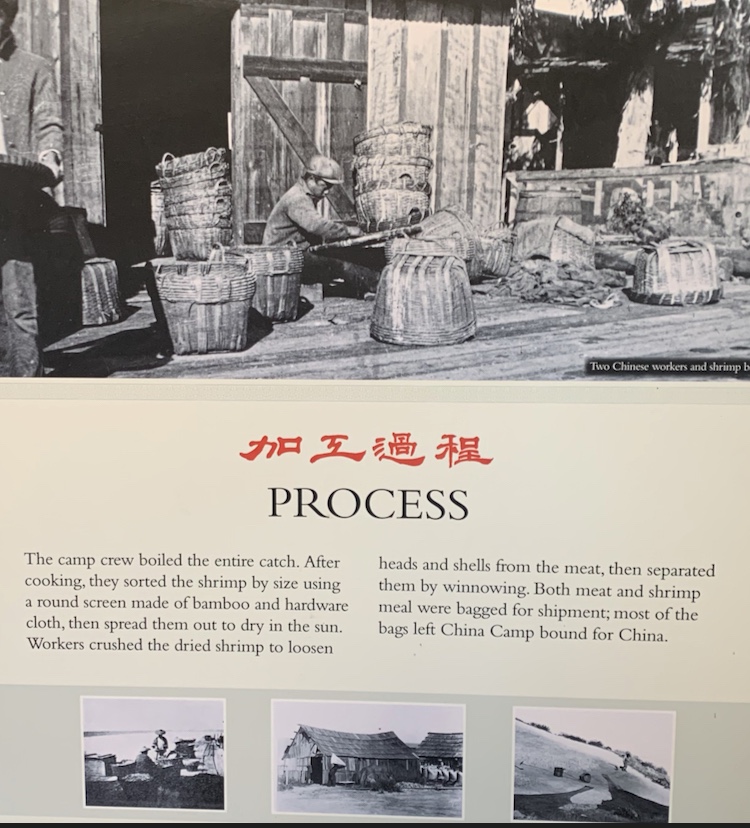
One of the buildings holds a museum which has a number of exhibits about this remarkable and nearly forgotten history.

A huge oven for drying the shrimp also remains.

Fortunately, in 1914 a new net, the trawl, was invented, which made it possible for the Quans to resume their commercial shrimp fishing enterprise and process 5,000 pounds of shrimp per day. The Quan family has remained since and a member of the family recently did in 20 16 at the age of 90.

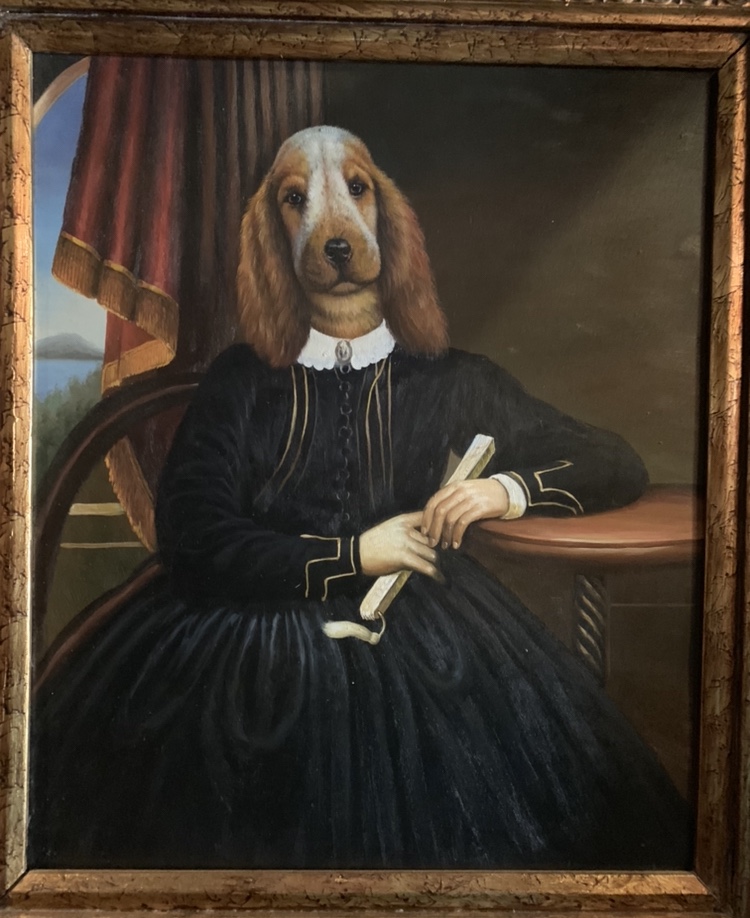
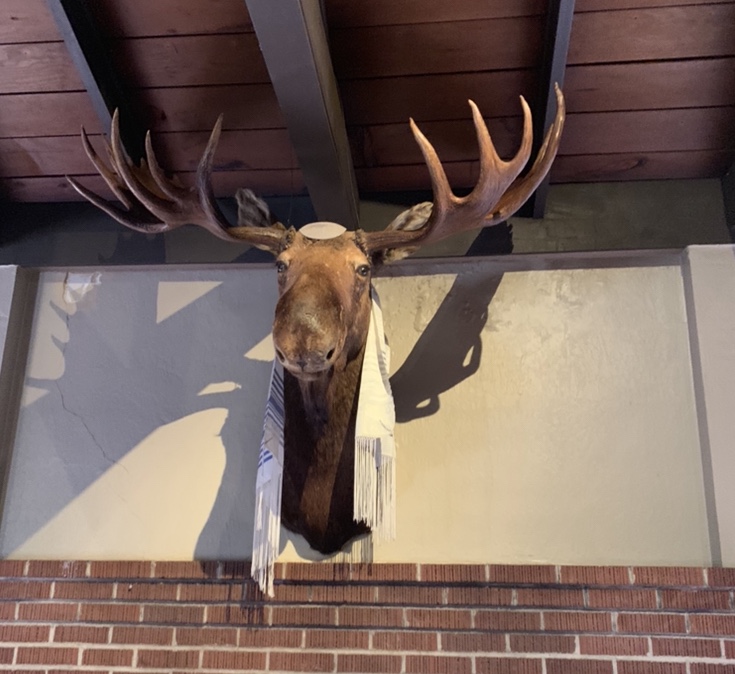
It was a beautiful day for visiting the park and bay, and on our way back home we stopped at a Pub whose owner (or decorator) had a delightful sense of humor. Great day!

How the Movie Industry Saved the Trains in Nevada

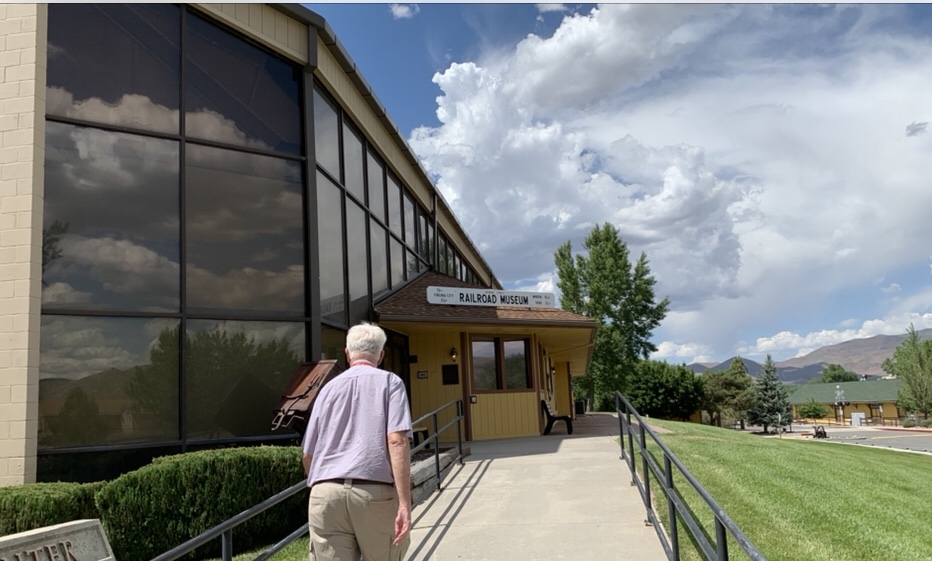
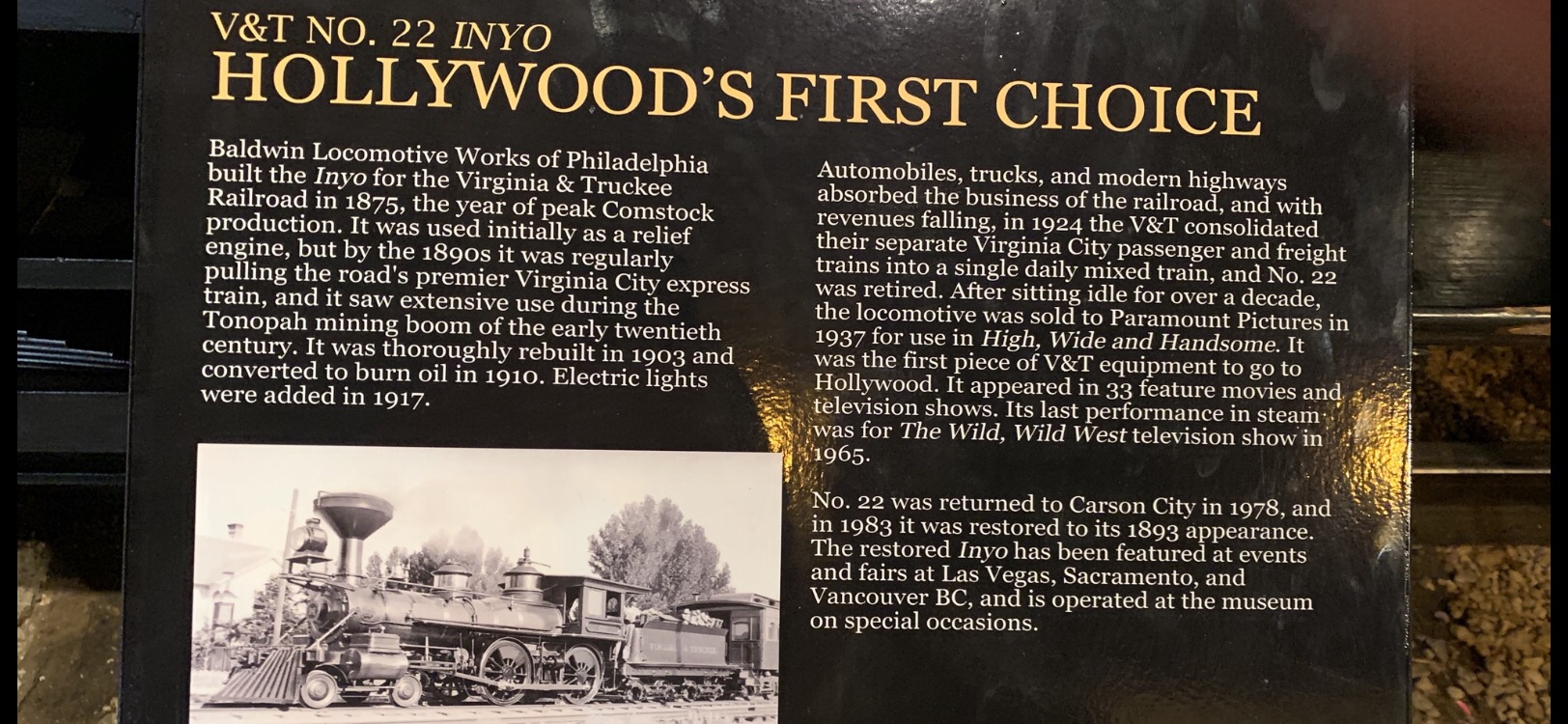
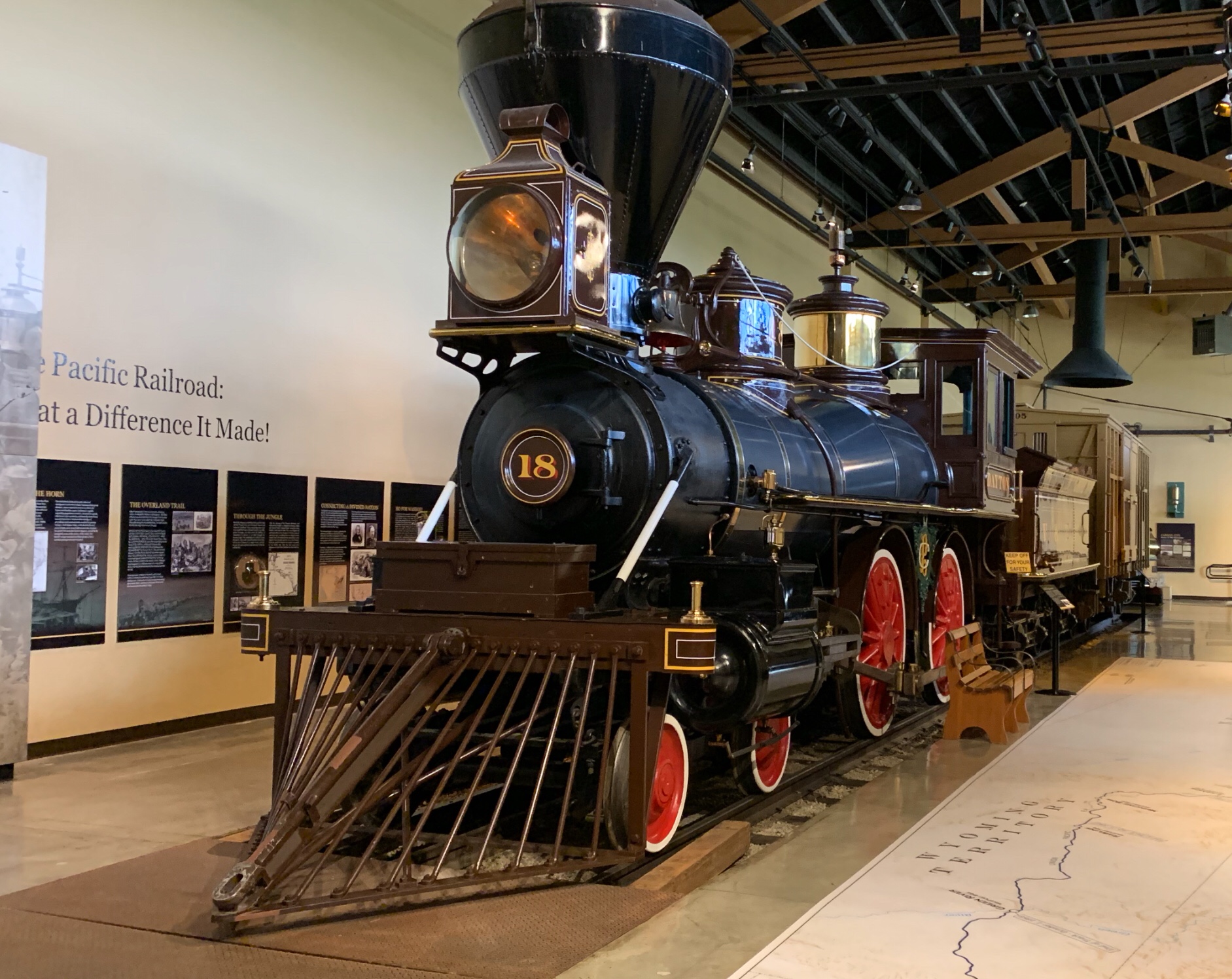
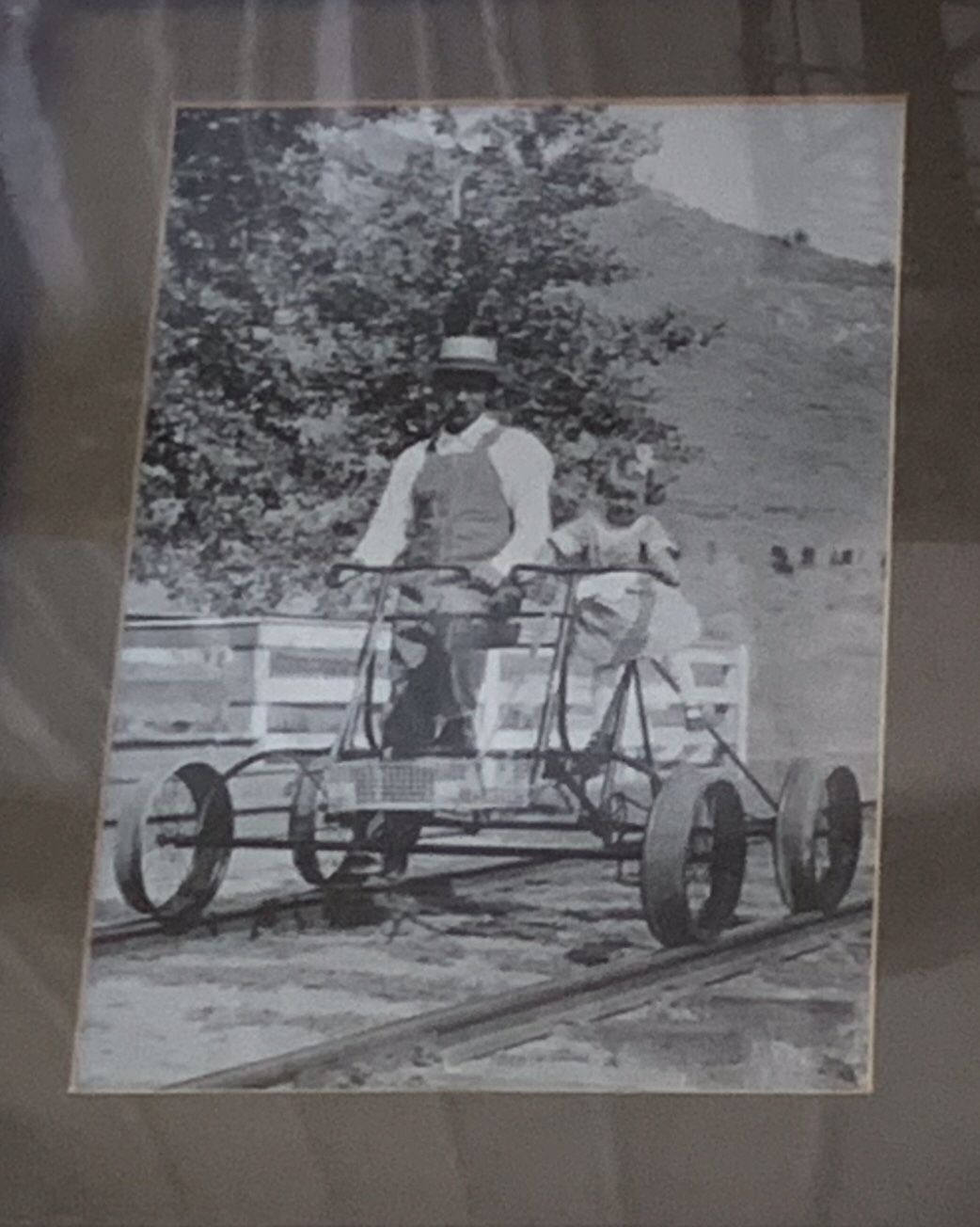
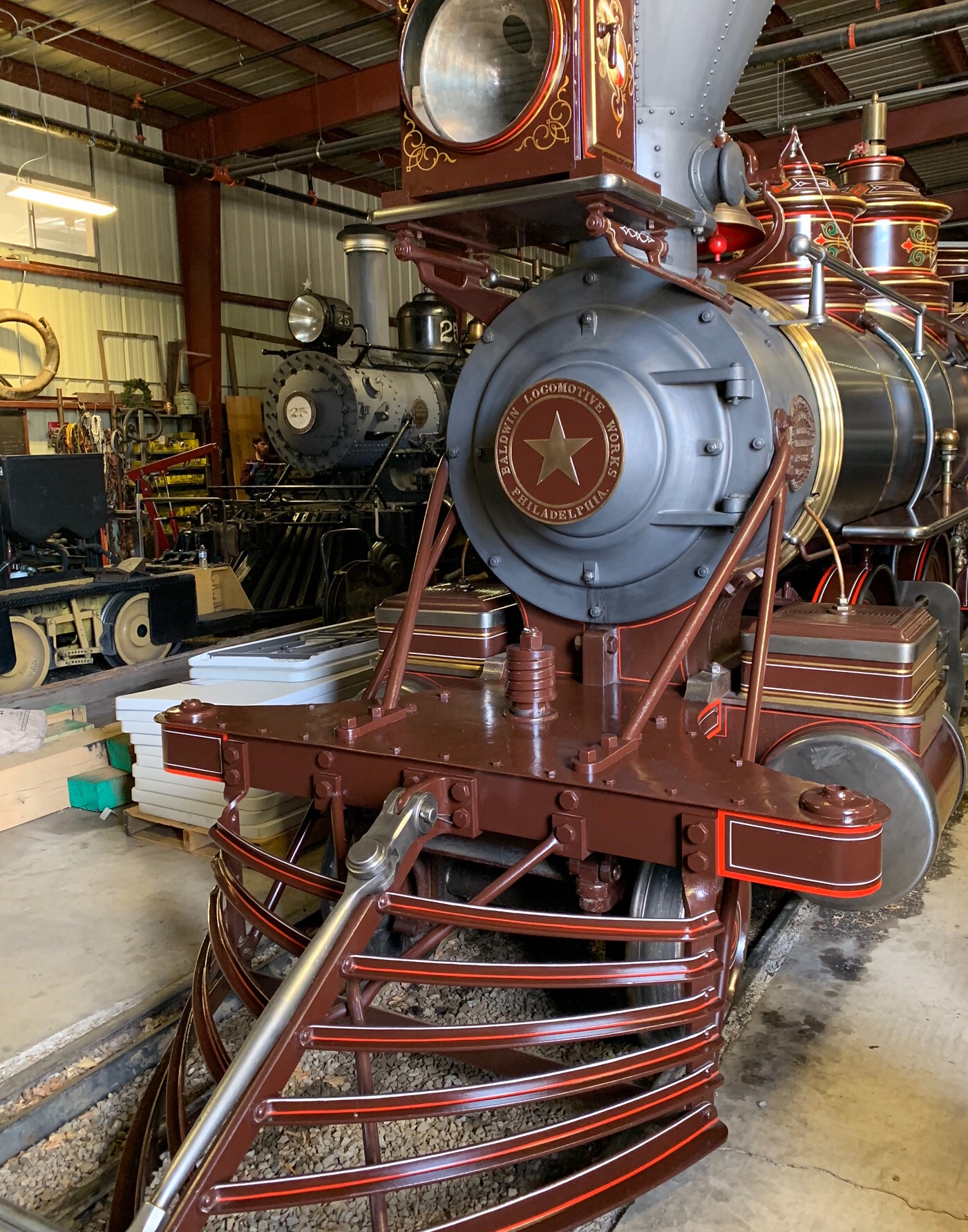
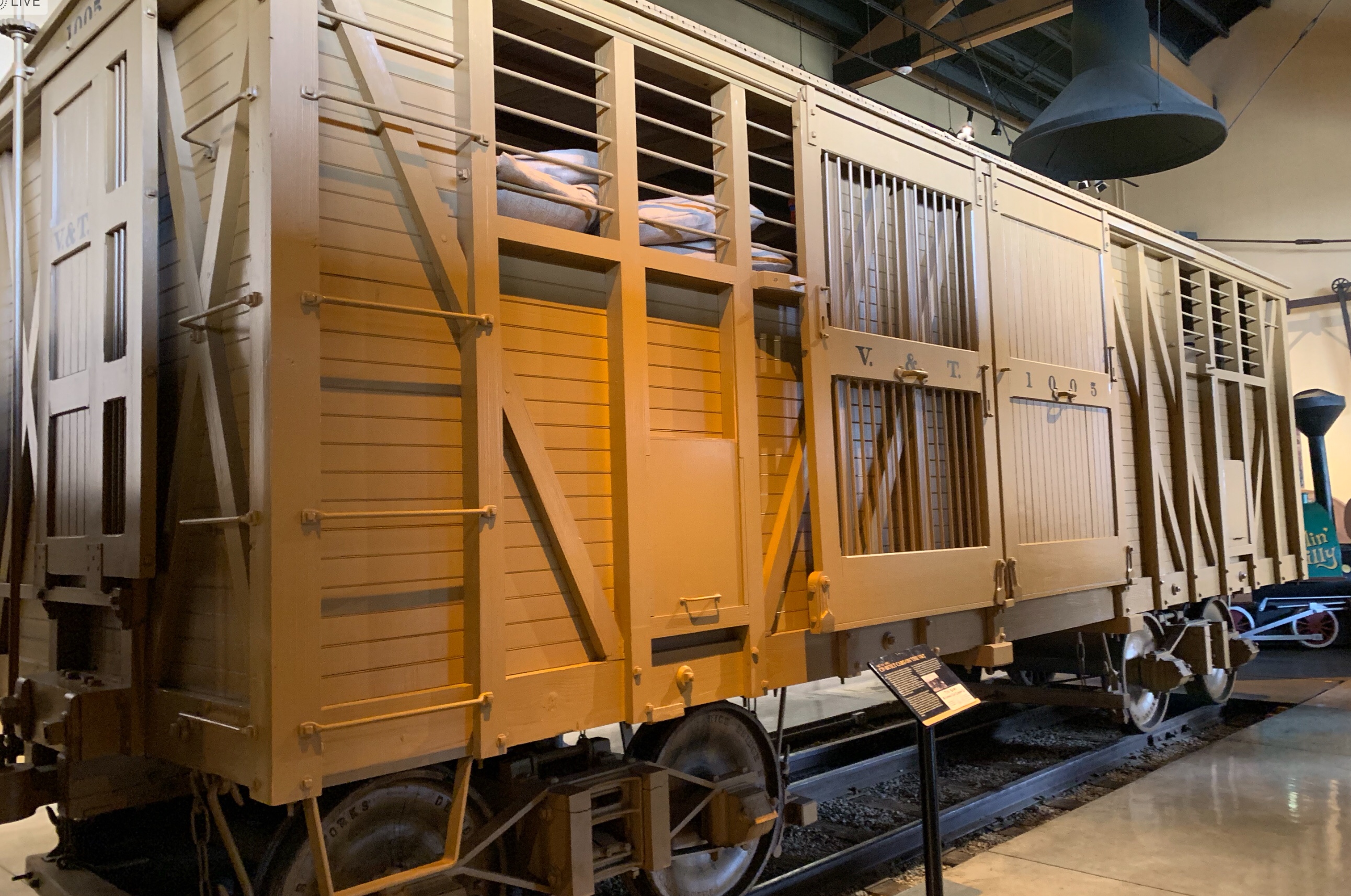
Visiting the Nevada State Railroad Museum, we discovered that Nevada had a major boom in the building of railroads throughout the state in the mid 1800’s, along with the engines and cars that traveled the tracks. But with the development of the automobile industry, the golden age of railroads rapidly came to an end, and many of these railroad cars fell into disrepair. So when the Western film craze took off in the mid 1900’s, a few of these found new life in Hollywood films. One of them is beautifully restored and in a place of honor in this museum in Carson City, Nevada.

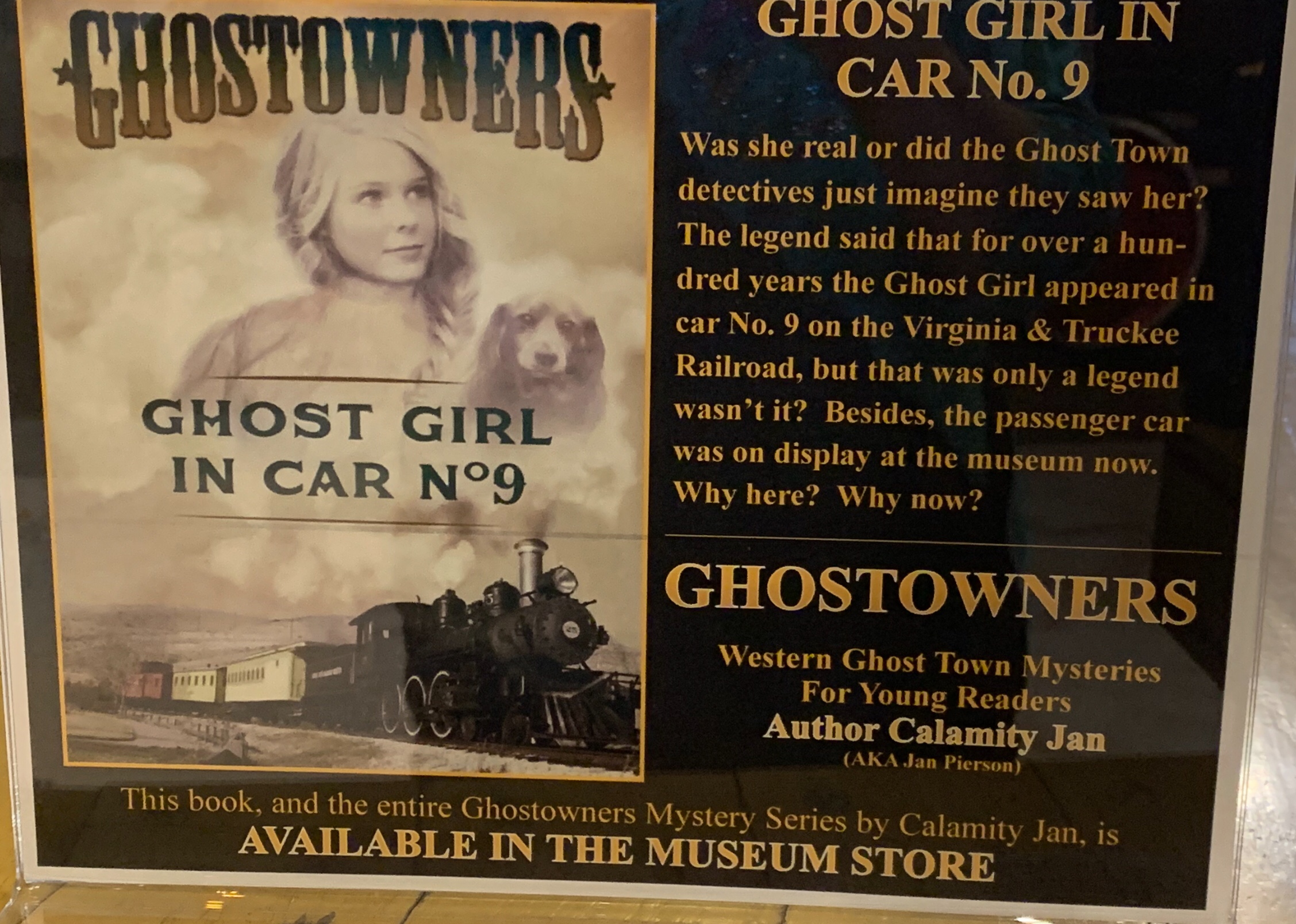
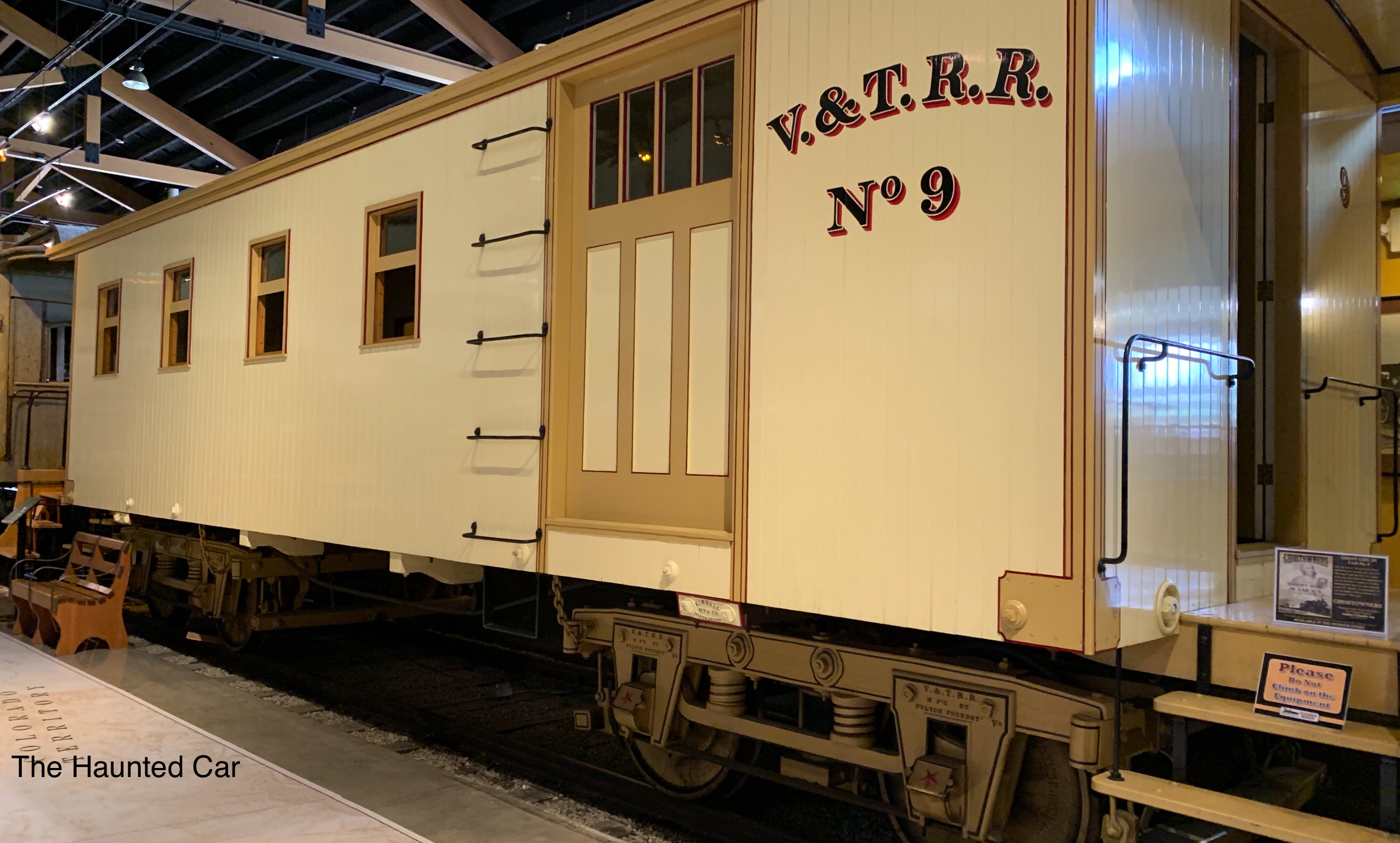
Next to it is a railroad car with a legacy (fictional or not?) of being haunted.

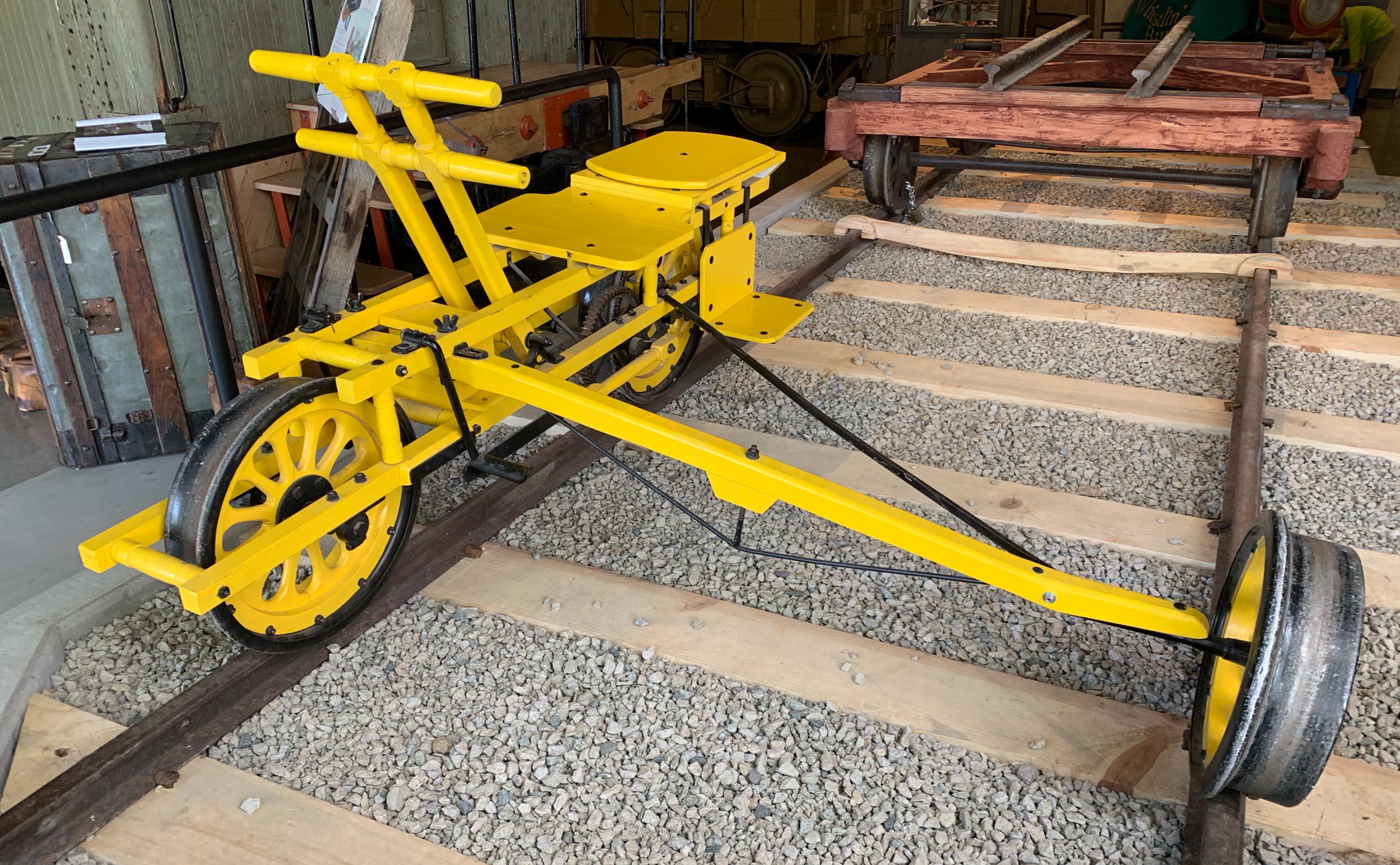
Other unique vehicles are on display in this museum.

And there were many others which represented the wide variety of railroad cars that were used and the high quality of their construction. It was a glimpse into a very different time. Amtrak, please take notice!

Oakland Aviation Museum

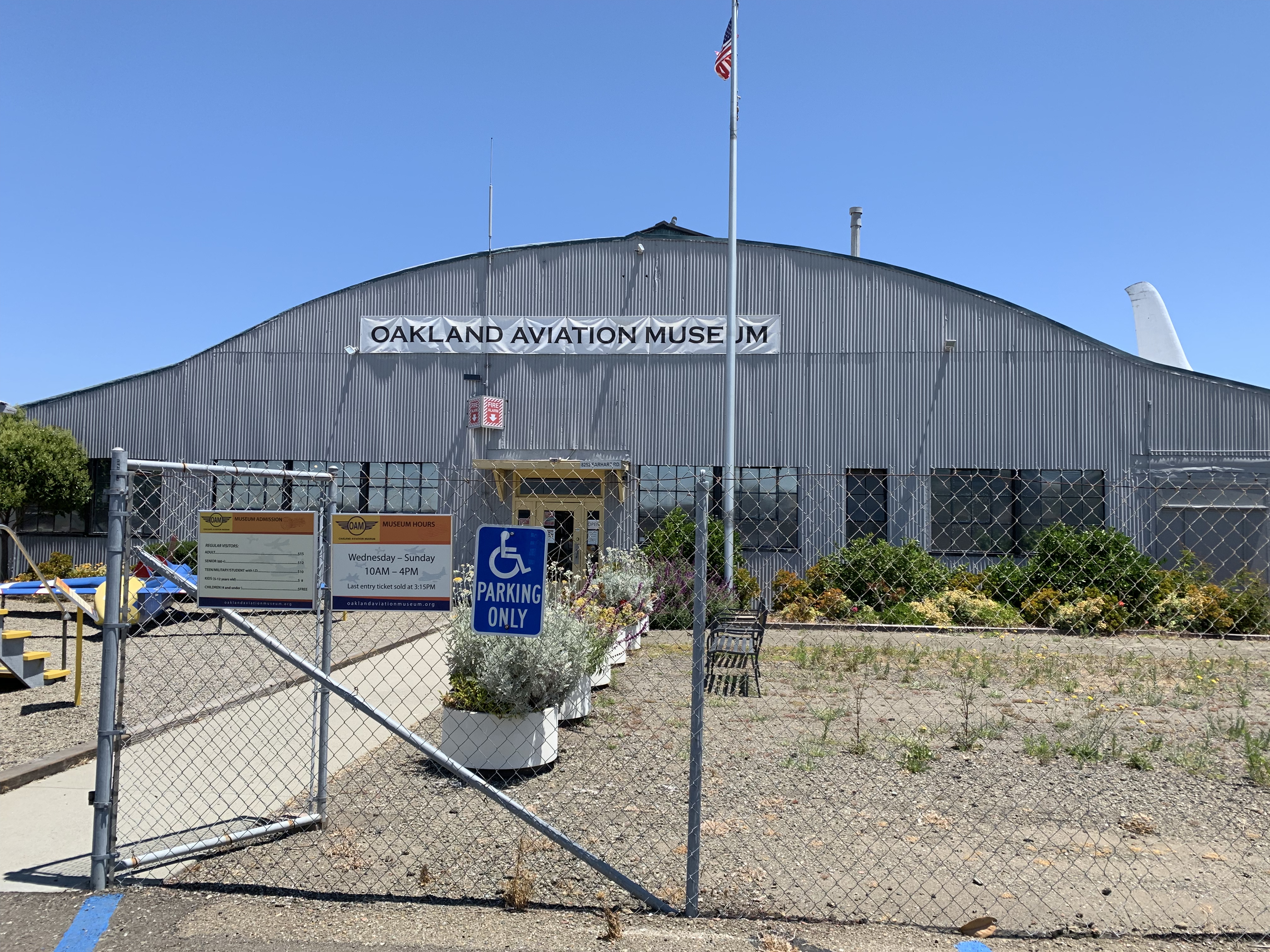
On the last leg of our trip to connect with family on the West Coast, we stopped off to see a small but important museum that captures a broad spectrum of aviation history important to the area. The Oakland Aviation Museum is located in an old hangar at Oakland International Airport, and aircraft of many different vintages pepper the field around the museum and fill the inside.

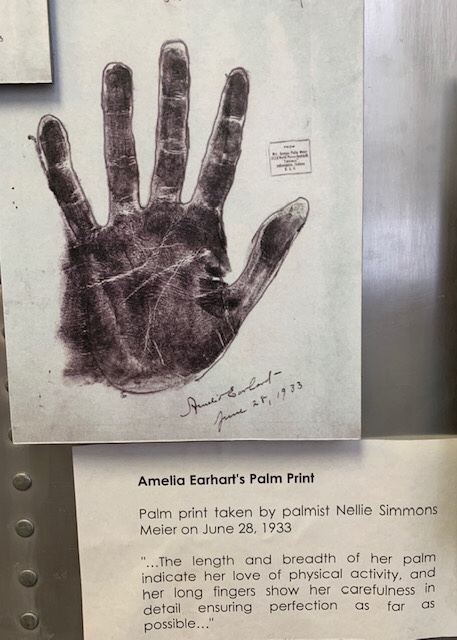
Perhaps the most notable historical event that took place at Oakland International Airport was that it was site of Amelia Earhart’s take-off on her final flight. An eerie Earhart artifact at the museum was a print of her hand as interpreted by a palmist.

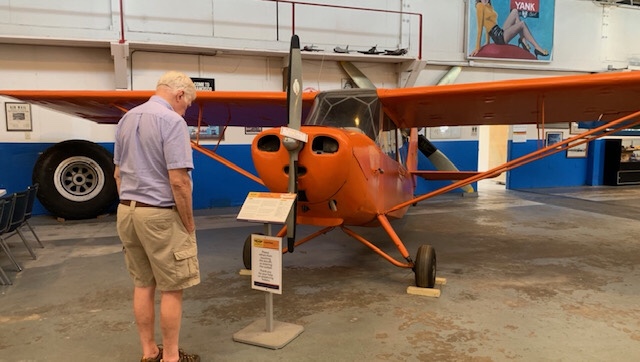
The most notable airplane there was the one that Roger learned to fly in.

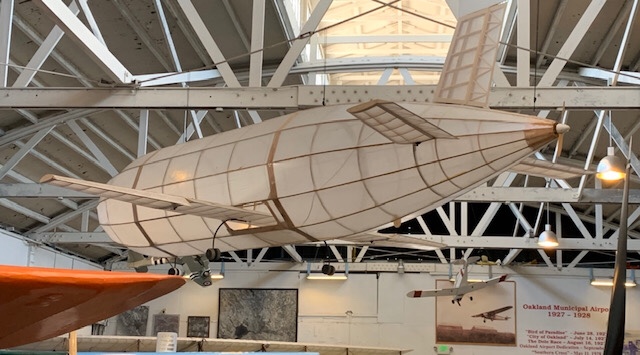
One of the most recent additions to the collection was a model of a dirigible that had been made for the Boeing Company in 2000.

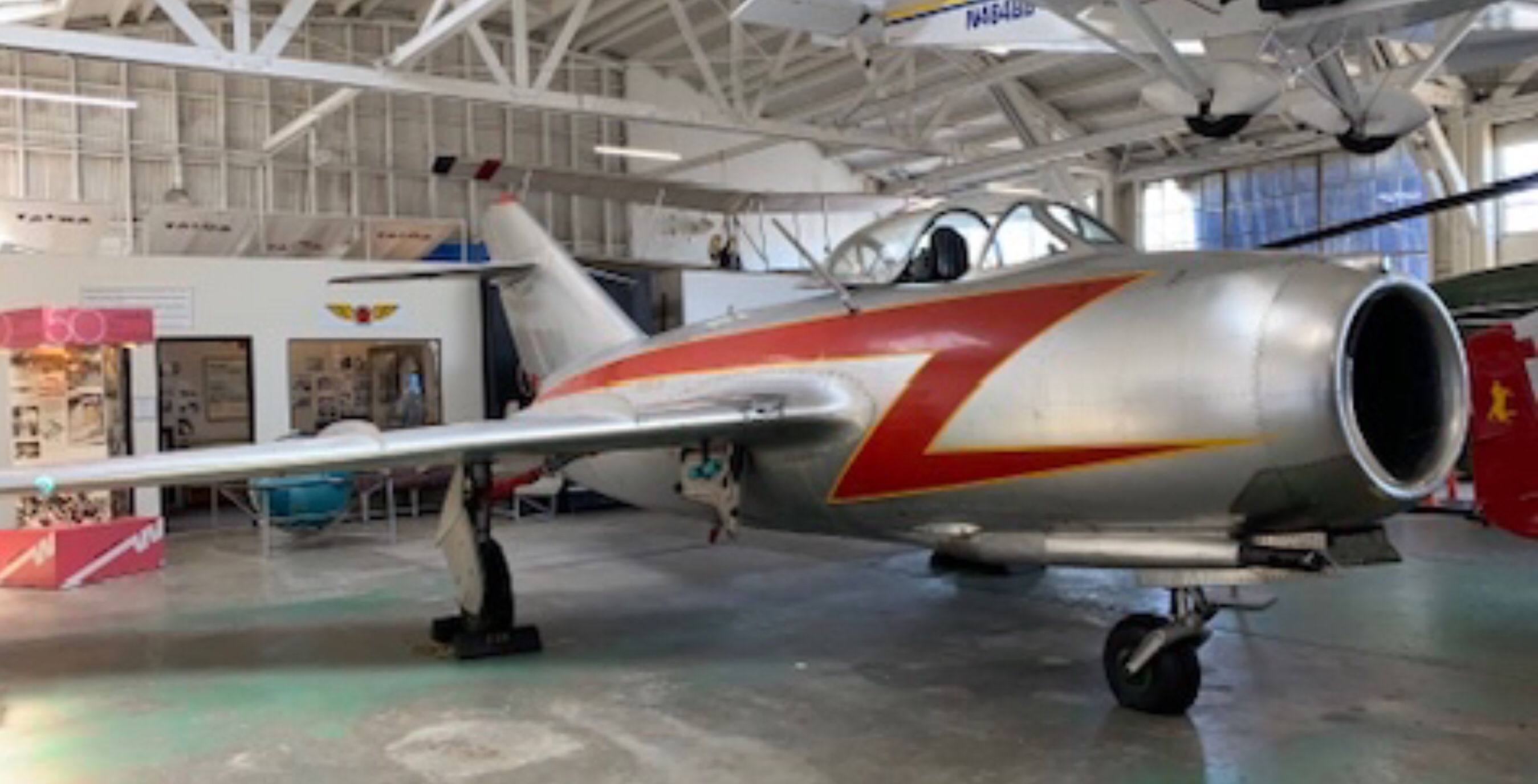
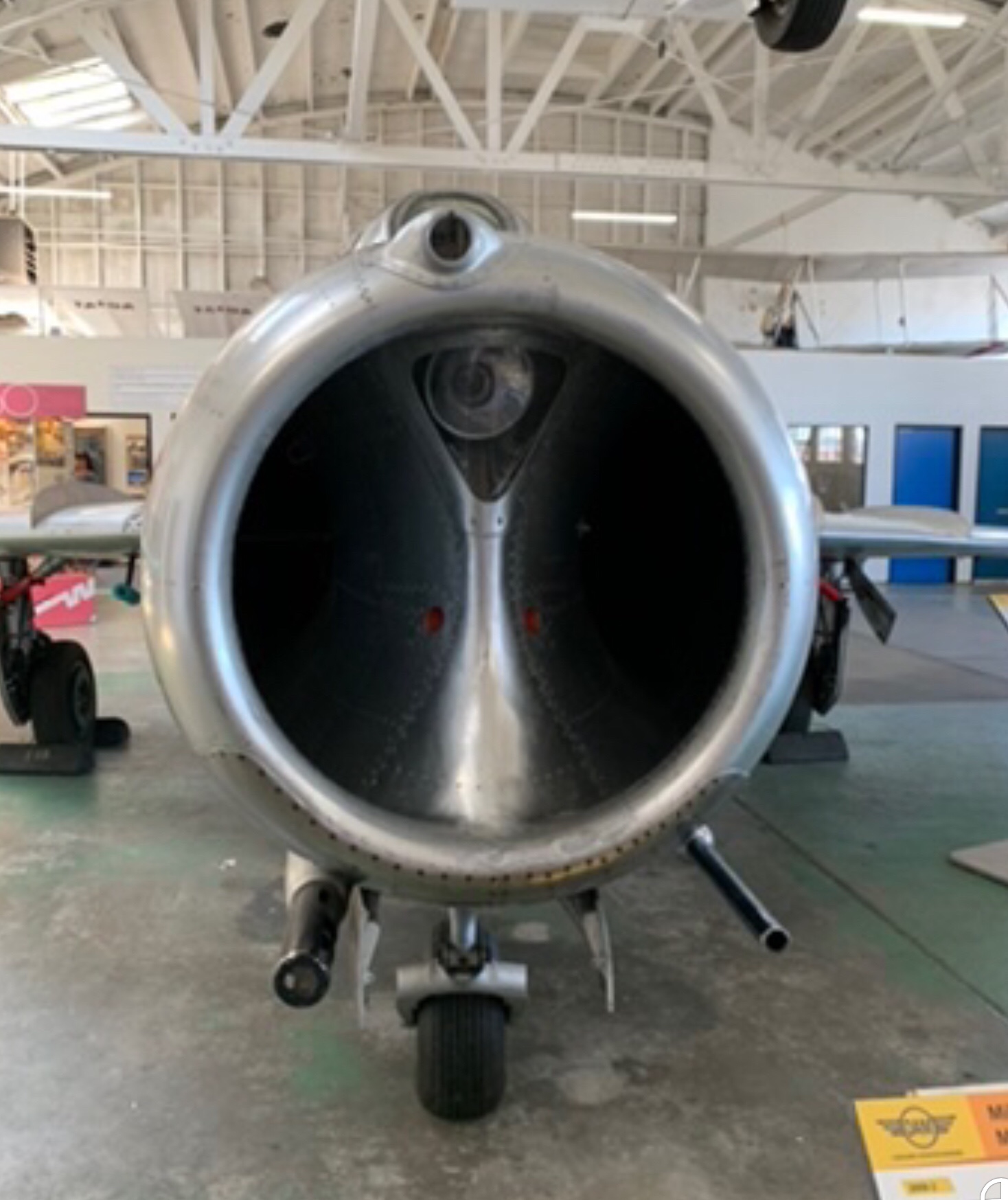
There was also a Russian MIG in excellent shape. All of these aircraft had been carefully restored; some looked new.

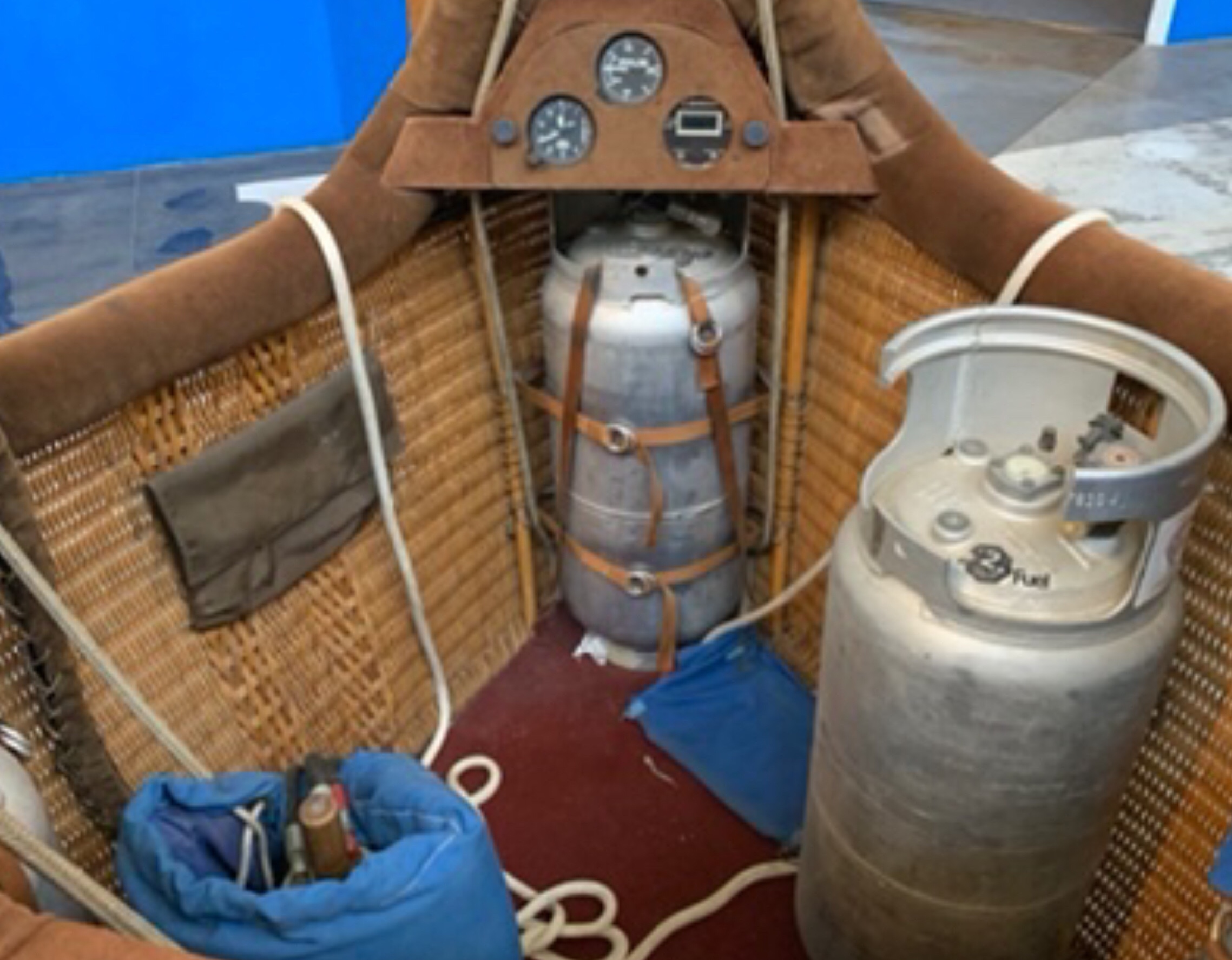
And what fascinated me more than the MIG was seeing the interior of an air balloon basket!

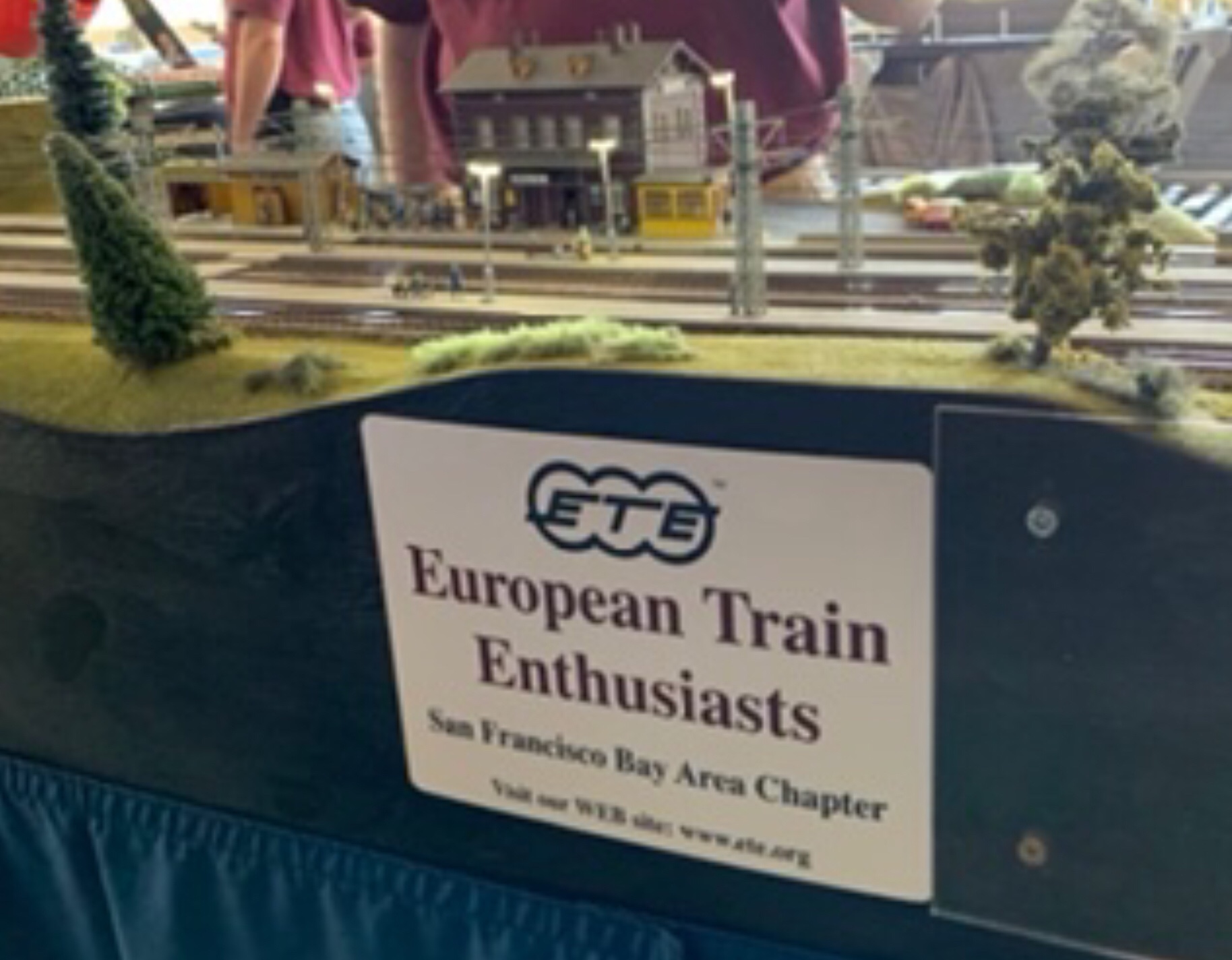
On the grounds outside the museum there was a wide variety of military aircraft from every recent war. And in the center of the museum was quite a surprise: the local model railroad club has a huge table set up with four sets of trains operating, clearly a labor of love for these individuals. The entire setup was based on a Bavarian theme, and that alone was well worth the $4 admission fee for the museum!

The Land of Silent Giants

The West abounds in superlatives and along with the Grand Canyon, Sequoia National Park is a great example. The giant Sequoia is the Earth’s largest living tree. Even Join Muir called it the Big Tree. It’s nearly conical trunk which remains thick high into the branches is why. At least one species of tree lives longer, one has greater diameter, three grow taller, but none is larger. For example, the General Sherman Tree is 275 feet tall and is estimated to be 2,200 years old; every year it grows enough new wood to produce a 60 foot tall tree of usual size.

Sequoia trees are only found naturally on the west slope of the Sierra Nevada between about 5,000 to 7,000 feet. There are 75 groves in all. In the 1880s loggers were prepared to harvest the Sequoia for wood needed to build housing for the rapidly developing Western communities, but local people urged Congress to protect the trees and in 1890 Sequoia National Park became the second national park. It rapidly grew with additional tracts added and is now combined with Kings Canyon National Park.

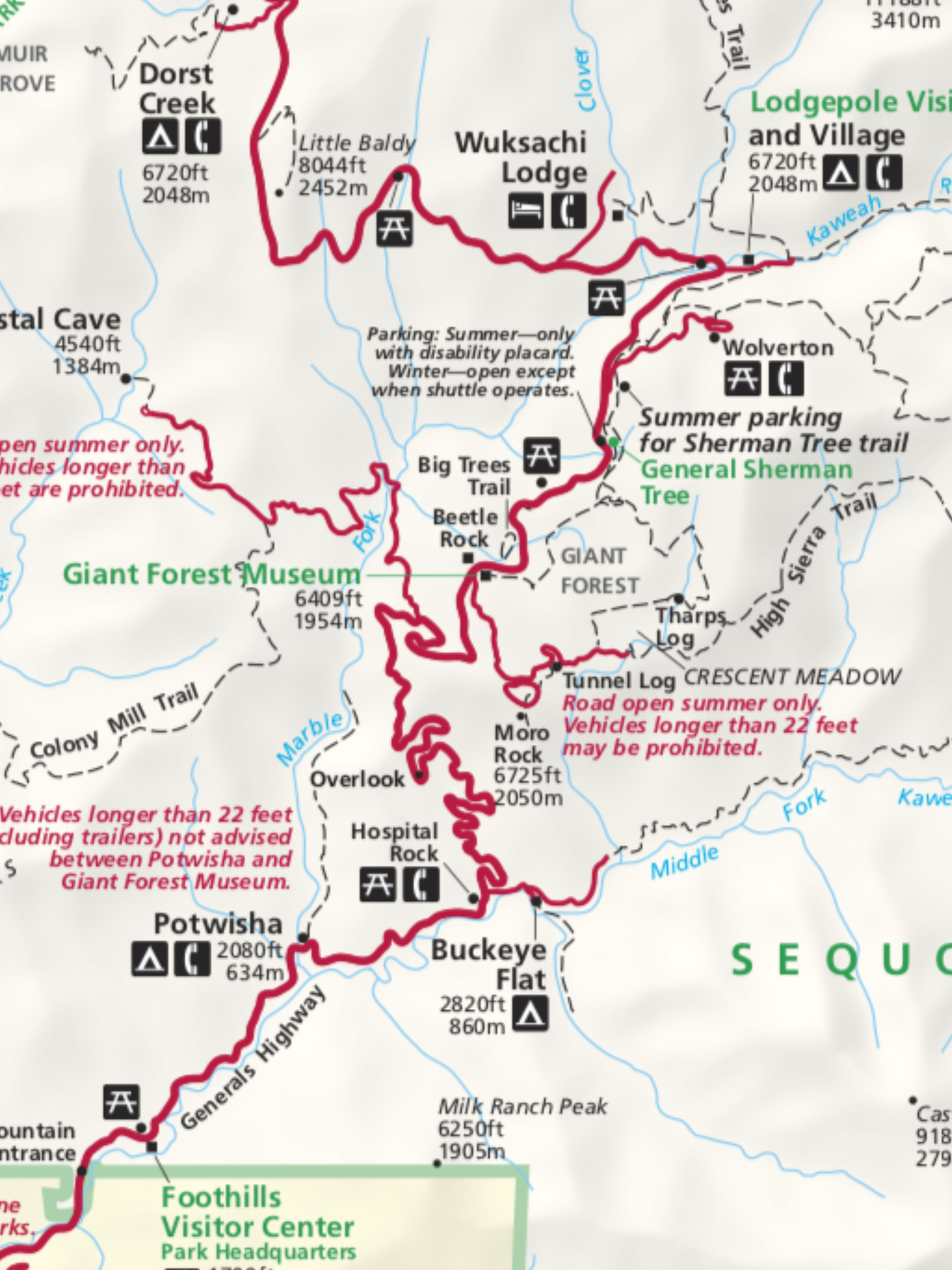
Seeing the park is a bit of a challenge, as the roads through the park to the various sites is one of the most convoluted and squiggly we’ve ever traveled. See our route below. The road with the most curves and switchback is the one we took. Fortunately it was slow going enough that we could really enjoy the the peace and other-worldliness of the park.

Grand Isn’t Grand Enough

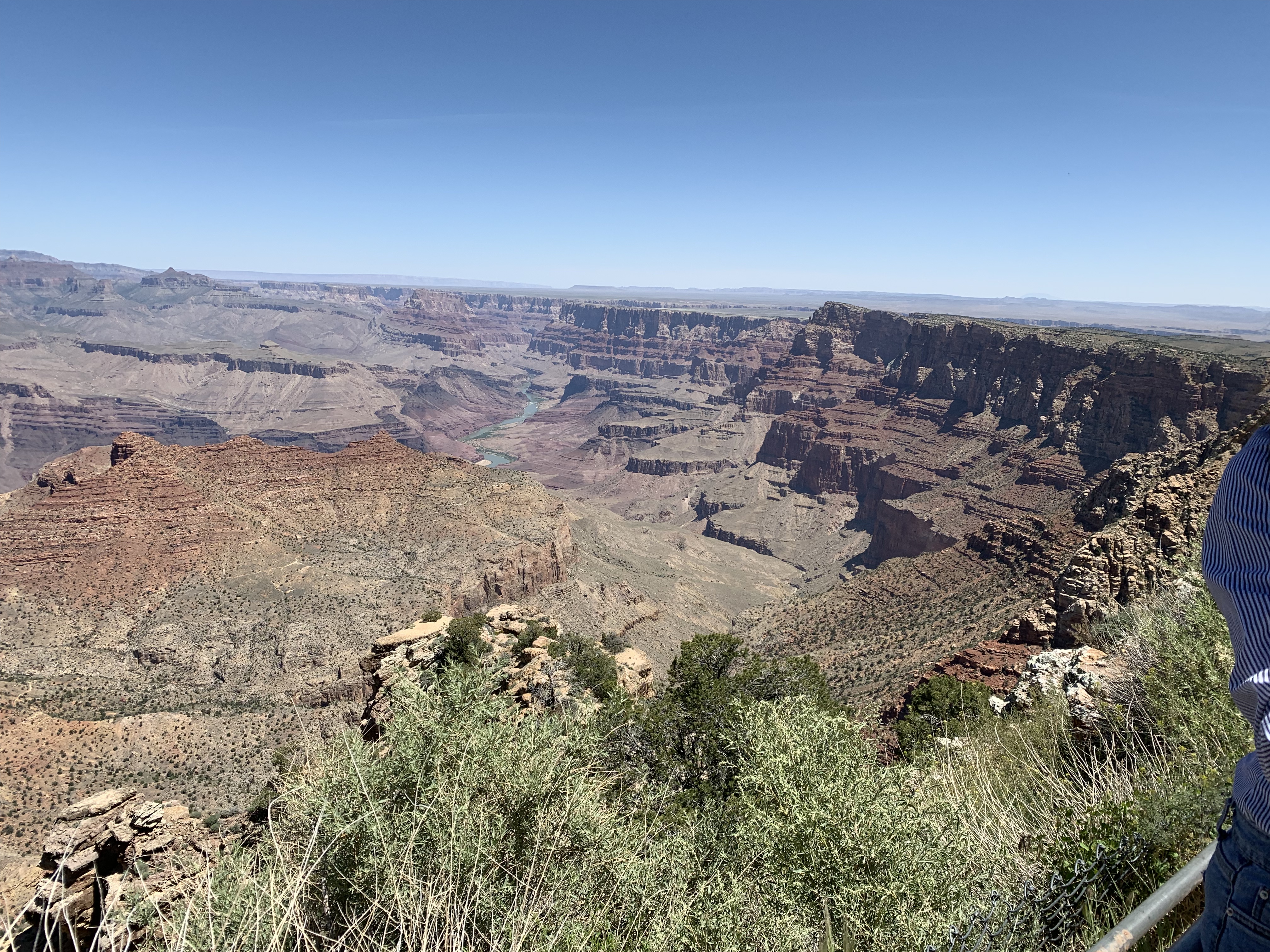
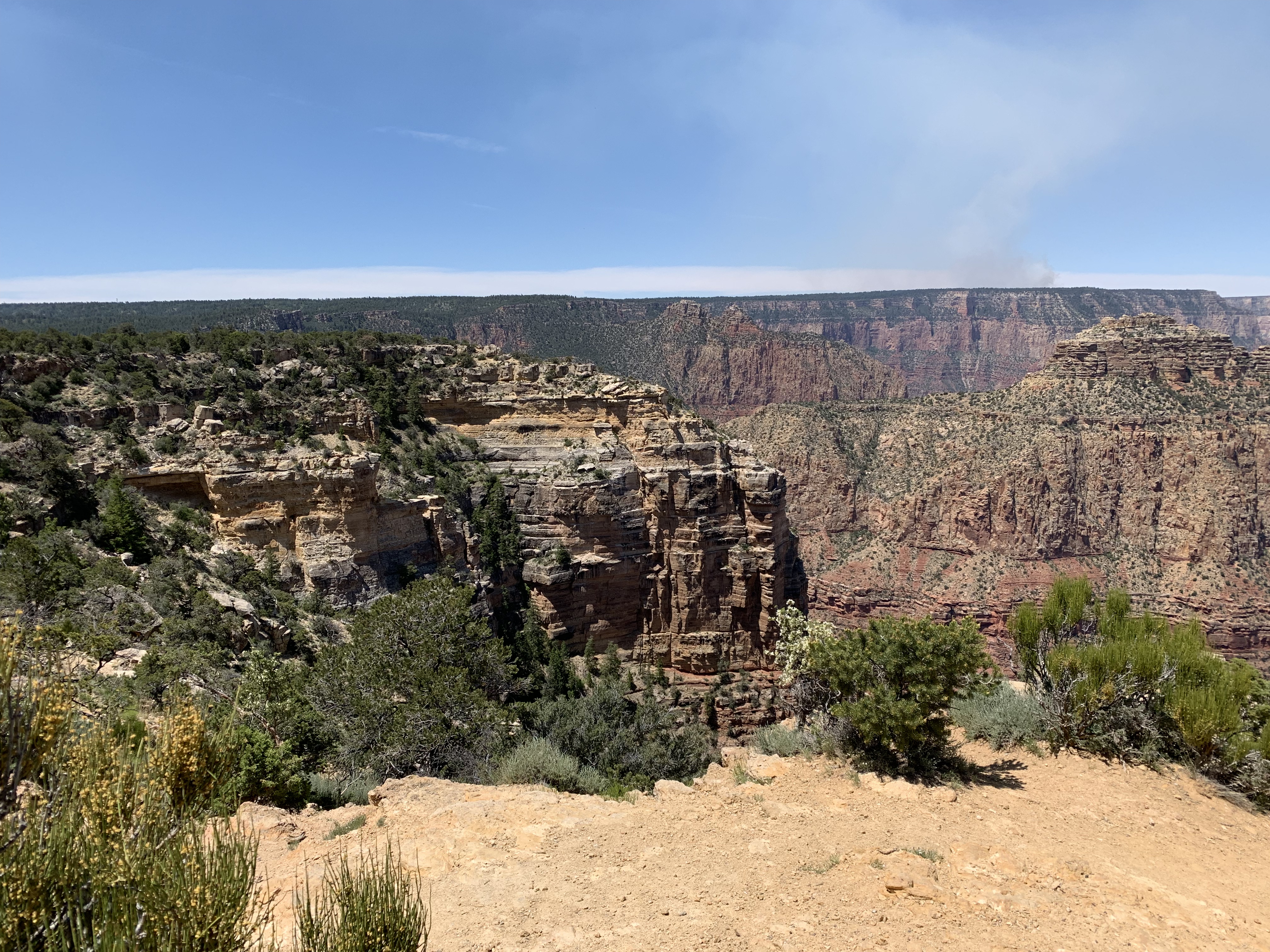
The Grand Canyon deserves something, well, grander for it’s name. Like magnificent, awesome, awe-inspiring, glorious… On second thought, I don’t think there is any word that can capture not only its size, but the beautiful colors hidden away in a billion nooks and crannies, valleys and walls, or the sudden steepness that catches your breath. Despite the recent rash of deaths from falls into the Grand Canyon, we did see several people climbing over the guard rails and walking onto high promontories inches away from a thousand foot fall. One of them had a small child and a woman with sandals never designed for climbing rocks. (They survived, but only after a few precarious stumbles. Don’t these people read the news?)

This is my third visit to the Grand Canyon, but in many ways my first. At the age of 12ish, I viewed the Grand Canyon through the haze of dramamine, and was only partially present. The second was about ten years ago when my sisters and I took a 5 hour trip from Las Vegas to stand by the edge of the canyon at the Grand Canyon Village for about an hour before returning. This time, Roger and I entered from the east and we stopped at many stops I’d never seen before, each with its own spectacular/awesome/magnificent view. We were sufficiently awed that when we did arrive at Grand Canyon Village and faced a very grand parking problem, we opted out and headed on down the road.

There are probably billions of various views of the GC, each unique and compelling. I’m sharing a few of my own, but I highly recommend some of the commercial videos you can find on YouTube that much more effectively show the incredible size, the breadth, depth and phenomenal vistas it offers.